Optimizing Freight Forwarding Operations with Modern Digital Integrations
Sunday, September 13 2026

The global logistics landscape is undergoing a profound transformation driven by rapid technological adoption and the demand for real-time visibility. For freight forwarders, the challenge lies in moving away from fragmented legacy systems toward unified cloud-based architectures. By leveraging modern API integrations and intelligent automation tools, firms can bridge the gap between disparate carriers, customs authorities, and internal teams. This shift not only eliminates manual data entry errors but also enhances overall operational agility. Embracing these advanced digital capabilities is no longer a luxury for industry players; it is a fundamental requirement for maintaining competitiveness in an increasingly complex and interconnected international market.
The Power of API Connectivity

Seamless API connectivity serves as the backbone of modern freight forwarding platforms. By enabling automatic data exchange between your software and external carrier portals, you ensure that shipment milestones, documentation, and pricing updates are synchronized instantly across your entire enterprise ecosystem.
- Real-time data synchronization: Automated pipelines ensure that your team always views the most current shipment status, eliminating the need for manual status checks on external carrier websites or email inquiries.
- Reduced manual input: By pulling data directly from carriers, your staff spends less time typing and more time managing exceptions, significantly lowering the risk of human-based data entry errors.
- Enhanced partner collaboration: Digital handshakes between systems create a transparent environment where information flows freely between forwarders, trucking providers, and ocean carriers without needing constant manual intervention.
- Faster customer responses: Instant access to live tracking data empowers your customer service representatives to provide immediate and accurate updates to clients, boosting trust and overall satisfaction levels.
Integrating your systems through robust APIs creates a single source of truth for your entire operation. As manual overhead drops, your logistics team can focus on high-value strategic tasks rather than administrative drudgery. This architectural shift significantly improves response times, allowing your business to handle higher shipment volumes without the need for proportional increases in staff, ultimately driving sustainable and scalable profitability for your forwarder.
Automating Complex Documentation Workflows

Documentation remains the most time consuming aspect of global trade. Advanced software solutions now allow forwarders to automate the generation and validation of bills of lading, invoices, and customs declarations, ensuring compliance while drastically reducing the time spent on repetitive clerical tasks.
- Intelligent document parsing: Advanced algorithms extract key information from unstructured emails or PDFs, automatically populating your logistics system with accurate data without manual re-entry by your operations team.
- Automated compliance checks: Integrated systems run automated validation rules against international trade regulations, flagging potential errors in shipping documents long before they result in costly customs hold-ups or fines.
- Template-based generation: Standardized digital templates ensure that all output documents are professional, consistent, and fully compliant with international shipping standards across all regional jurisdictions and carrier requirements.
- Digital signature integration: Incorporating e-signature workflows directly into your logistics platform speeds up the document approval process by allowing stakeholders to sign and verify critical paperwork from any location.
Digitizing your documentation workflow transforms a previously tedious process into a competitive advantage for your firm. By reducing the time required to prepare and process essential trade paperwork, you accelerate the billing cycle and improve cash flow. As your documentation becomes more accurate and consistent, you build a stronger reputation with both customs authorities and your high-value shipping clients across the globe.
Advanced Visibility and Tracking
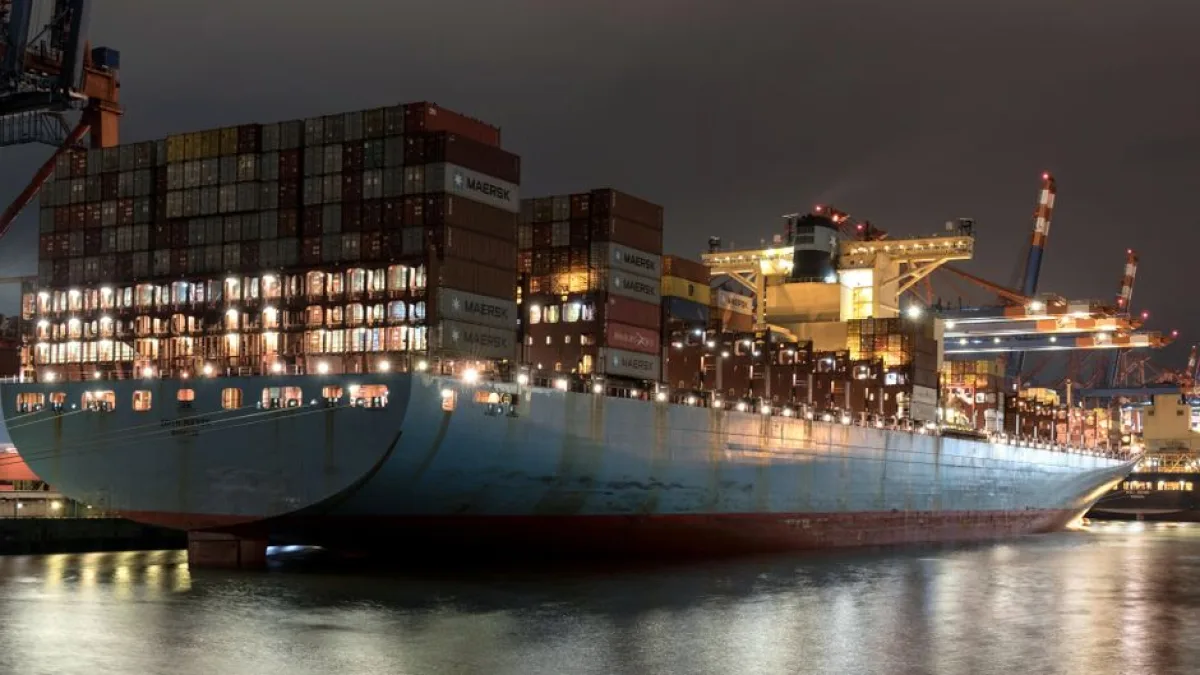
Achieving true end-to-end visibility is a major goal for logistics providers. Modern cloud platforms integrate GPS data and satellite tracking to provide granular insights into cargo movement, ensuring that stakeholders remain informed about precise locations throughout the entire supply chain lifecycle.
- Multi-modal tracking integration: Consolidate tracking data from air, ocean, and land carriers into one intuitive dashboard that provides a comprehensive view of global movements across all transit types.
- Automated milestone alerts: Configure custom triggers that automatically notify your internal team or your customers when a shipment reaches a specific terminal or experiences an unexpected transit delay.
- Exception management tools: Use proactive monitoring features to identify potential risks early, allowing your dispatchers to implement corrective measures before small delays evolve into significant service disruptions for clients.
- Interactive client portals: Provide your customers with a secure, self-service digital window into their cargo journey, reducing the volume of inbound status update requests to your support department.
Visibility is the key to managing customer expectations in a volatile market. When you offer clients precise tracking information, you reduce anxiety and build long-term loyalty through transparency. By utilizing automated tracking alerts, your team can pivot from a reactive posture to a proactive service model, distinguishing your firm as a reliable partner capable of handling the complexities of modern international supply chains.
Building Scalable Logistics Infrastructure

Scalability requires a flexible infrastructure that grows alongside your business. Cloud-based platforms offer the ability to scale resources based on demand, ensuring that your software performance remains stable even during peak shipping seasons or periods of rapid business expansion.
- Flexible cloud hosting: Access your logistics platform securely from any location, ensuring your remote and global teams remain connected and productive regardless of their physical or local office setup.
- Modular software components: Choose a system that allows you to activate new features or integrations as your business requirements evolve, ensuring you never pay for unnecessary overhead.
- Robust data security: Cloud providers implement enterprise-grade security protocols, including encryption and regular backups, to keep your sensitive shipment and customer data safe from evolving digital security threats.
- Enhanced reporting capabilities: Use sophisticated analytical tools to identify performance bottlenecks and optimize your internal workflows, turning operational data into actionable insights for future business growth and strategy.
Investing in scalable infrastructure ensures your business is ready for the future. By moving away from rigid, on-premise systems, you gain the agility to adapt to market shifts and customer needs immediately. This structural flexibility allows you to focus on growth and innovation, providing your team with the modern tools necessary to maintain peak performance and professional excellence in a competitive logistics environment.
Conclusion

Adopting digital integrations is no longer optional for successful freight forwarders. By focusing on API connectivity, automated workflows, and superior tracking capabilities, your firm can drastically reduce manual work and increase service levels. Now is the time to audit your current software stack and embrace cloud-based solutions. Leverage MakeCargo to transform your operations and build a resilient foundation for your future logistics success.