Optimizing Freight Forwarding Through Strategic Tech Integrations
Saturday, October 24 2026
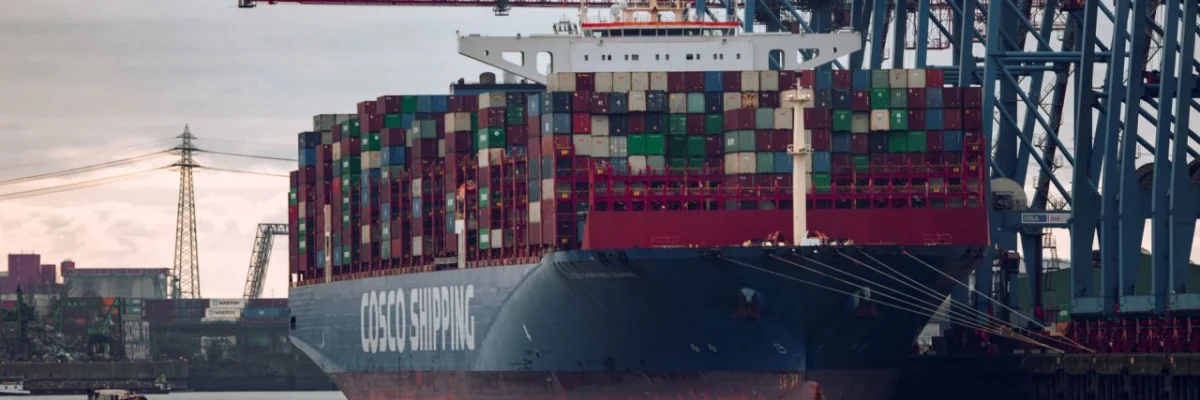
The global logistics landscape is undergoing a massive transformation driven by digital innovation and the demand for real-time visibility. Modern freight forwarders must move beyond manual spreadsheets to remain competitive in a fast-paced market. Cloud-based platforms are now the industry standard for managing complex supply chains efficiently. By adopting integrated software solutions, forwarders can automate repetitive tasks, reduce human error, and improve data accuracy across their entire operations. Embracing this technological shift is no longer optional for businesses aiming to scale their services and deliver consistent value to their clients while maintaining healthy profit margins in a volatile shipping economy.
Centralizing Digital Data Management

Digital transformation starts with creating a single source of truth for all shipping documents and carrier communications. By moving away from disconnected legacy systems, companies can achieve seamless data flow, ensuring that every team member has access to the most current information available for any given shipment.
- Unified Data Access: Cloud platforms aggregate information from multiple sources into a single interface that allows your team to view shipment statuses without searching through countless emails or folders.
- Reduced Manual Entry: Automation tools pull key details directly from documents, which minimizes the risk of transcription errors and frees up valuable time for your staff to focus.
- Enhanced Data Security: Modern software providers implement robust encryption standards that protect sensitive client information and keep your business compliant with international data privacy regulations throughout the lifecycle.
- Better Team Collaboration: Real time updates ensure that every department remains aligned on milestones, allowing for faster response times and improved communication between your agents and your partners.
- Scalable Cloud Infrastructure: Cloud based systems allow you to expand your operations without worrying about hardware limitations or the constant need for expensive internal server maintenance and updates.
Consolidating your operational data within a single platform eliminates silos that typically cause costly delays in the logistics process. When your team spends less time hunting for information, they can devote more energy to managing client relationships and solving complex transit issues. Investing in centralized systems is the most effective way to build a foundation that supports long-term growth and operational stability.
Automating Complex Customs Filings

Customs documentation often serves as a major bottleneck in the supply chain due to its complexity and strict regulatory requirements. Advanced software automates these filings by integrating directly with government portals, ensuring accuracy while significantly speeding up the overall clearance process.
- Direct Customs Integration: Connecting your management software directly to customs authorities allows for instant filing and status updates that remove the need for repetitive manual data submission tasks.
- Compliance Error Checks: Automated validation tools scan your documents for common errors before submission, which helps you avoid costly fines and prevents lengthy clearance delays at borders.
- Automated Tariff Classification: Intelligent systems suggest the correct harmonized system codes for your cargo, ensuring that you always calculate taxes and duties with the highest level of precision.
- Faster Clearance Times: Reducing the time spent on administrative paperwork allows your cargo to move through ports faster, improving your service levels and increasing overall customer satisfaction.
- Document Archiving Efficiency: Automated systems store every filed document in a digital repository for easy retrieval during future audits or if a client requests specific historical records.
Efficiency in customs clearance is a major competitive advantage that directly impacts the speed of your global supply chain. By automating the most tedious aspects of trade compliance, you empower your staff to handle higher shipment volumes without adding excessive overhead costs. This approach not only keeps your operations running smoothly but also strengthens your professional reputation as a highly reliable global logistics provider.
Enhancing Real Time Visibility

Providing clients with live updates on their shipments is now a baseline expectation in the industry. Leveraging API integrations with carriers and ports gives your clients the transparency they need to manage their own inventories more effectively and plan for unexpected disruptions.
- Live Status Updates: Connecting via API to major shipping lines provides instant access to vessel tracking, giving you and your customers precise information about shipment locations at all times.
- Automated Client Alerts: Triggered email notifications keep your clients informed of any status changes or delays automatically, which reduces the volume of manual status update inquiries received.
- Exception Management Tools: Early detection systems identify potential bottlenecks before they become major problems, allowing your team to take proactive steps to minimize the impact on your customers.
- Interactive Client Portals: Giving your customers a branded portal to track their cargo builds trust and reduces the need for back and forth communication regarding basic status updates.
- Data Driven Decisions: Access to historical visibility data helps you analyze carrier performance over time, allowing you to choose the most reliable partners for your specific logistics needs.
True visibility creates a transparent environment where clients feel confident in your ability to manage their supply chain. When you provide accurate, automated tracking information, you effectively lower the communication burden on your support team while simultaneously increasing client loyalty. This level of service differentiates your freight forwarding business from competitors who rely on delayed, manual reporting methods that often frustrate end customers.
Leveraging Advanced Business Analytics

Raw data becomes valuable intelligence when viewed through the lens of sophisticated analytics tools. Forwarders who track performance metrics can make informed decisions about their carrier selection, pricing strategies, and internal resource allocation to drive higher profitability across the entire organization.
- Performance Metric Tracking: Monitoring key performance indicators like transit times and carrier reliability allows you to identify areas for improvement and focus your efforts on the most profitable.
- Financial Reporting Automation: Generate instant reports on profit and loss per shipment, which helps you understand the financial health of your business at a granular level daily.
- Carrier Cost Analysis: Comparing shipping rates across different carriers helps you find the most cost effective options for specific trade lanes without sacrificing the speed of service.
- Operational Bottleneck Identification: Analytics dashboards highlight which stages of your shipping process take the longest, enabling you to optimize your workflow and increase the total throughput capacity.
- Strategic Growth Planning: Access to long term trend data helps you forecast market demand more accurately, allowing you to scale your business operations ahead of the curve.
Translating logistics data into actionable insights is the hallmark of a data-driven freight forwarding business. By regularly reviewing performance analytics, you gain the ability to pivot strategies based on reality rather than intuition alone. This disciplined approach to management ensures that every decision made contributes to the financial success and long term scalability of your organization in an increasingly complex global market.
Conclusion

Successful freight forwarders now prioritize technology to maintain a competitive edge. By integrating cloud software, automating compliance, ensuring total visibility, and utilizing deep analytics, your firm can thrive in this demanding sector. MakeCargo empowers professionals to streamline these critical processes effectively. Adopting these modern tools ensures that your business remains efficient, transparent, and ready to meet the evolving needs of your global clients.