Optimizing Freight Forwarding Through Strategic Technology Integration
Sunday, July 26 2026

The global logistics landscape is undergoing a massive digital transformation that forces freight forwarders to reevaluate their operational foundations. Manual data entry and siloed systems are rapidly becoming relics of the past as modern clients demand real-time visibility and seamless digital interactions. By embracing cloud-based platforms, forwarders can connect disparate systems, automate complex workflows, and gain a competitive edge in an increasingly volatile market. Technology is no longer an optional luxury for logistics companies but a fundamental necessity for survival. Leveraging the right digital tools empowers teams to shift their focus from repetitive administrative tasks toward high-value activities like customer relationship management and strategic expansion.
The Power of Cloud Connectivity
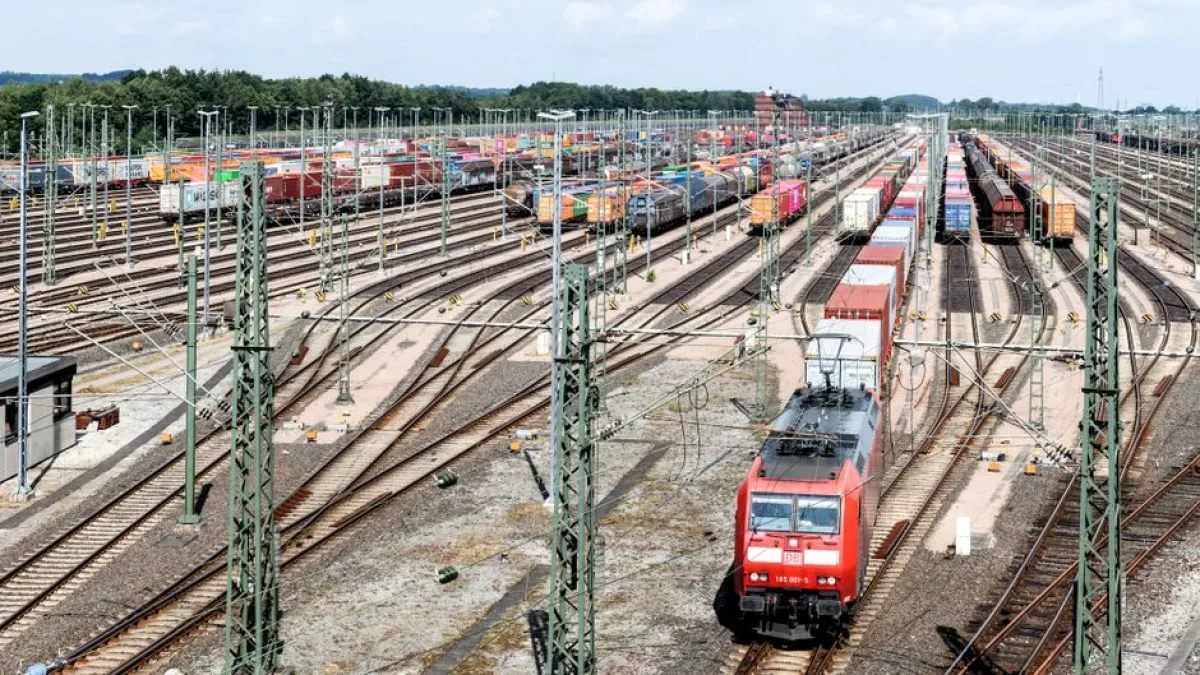
Cloud-based architecture acts as the central nervous system for modern logistics operations. By moving infrastructure to the cloud, teams can access critical shipment data from any location while ensuring that every stakeholder remains perfectly synchronized throughout the entire supply chain lifecycle.
- Seamless Data Sync: Real-time updates ensure that every team member views the same information simultaneously, which effectively eliminates errors caused by version control issues or outdated communication logs between departments.
- Scalable Infrastructure Growth: Cloud solutions allow your business to expand storage and computing power as your shipment volume grows, ensuring that your software performance remains stable during busy periods.
- Enhanced Remote Collaboration: Teams working from different time zones can access the platform securely to update shipment milestones, which significantly improves the speed of information flow for global partners.
- Automated Security Updates: Centralized cloud platforms provide automatic security patches and feature updates, which ensures that your freight forwarding business stays protected against emerging cyber threats without manual maintenance efforts.
Adopting cloud connectivity fundamentally changes how freight forwarders interact with their global agents and local partners. By removing the physical barriers to data access, firms can provide faster responses to inquiries and resolve delays with unprecedented precision. This shift creates a transparent working environment where accountability is clear, and the overall reliability of the freight forwarding service is significantly increased for every end client.
Automating Manual Documentation Workflows

Documentation remains the most time-consuming aspect of the freight forwarding industry. Automating the creation of bills of lading and commercial invoices through intelligent software integrations significantly reduces the risk of human error while dramatically speeding up the overall customs clearance process.
- Smart Document Generation: Intelligent software templates pull data directly from customer orders, which removes the need for manual input and ensures that your export documents are always perfectly accurate.
- Digital Document Storage: Secure cloud repositories allow you to store and retrieve vital shipping documents instantly, reducing the physical filing burden and making compliance audits much faster for staff.
- Automated Compliance Checking: Built-in validation rules check every document against international regulations, which helps prevent costly fines and shipment holds caused by simple clerical oversights during the preparation phase.
- Instant Client Sharing: Secure portals allow you to provide customers with instant access to their documentation, which improves their overall satisfaction and reduces the volume of repetitive status requests.
Reducing manual labor in your documentation workflow translates directly into higher profit margins and happier employees. By allowing software to handle the repetitive heavy lifting, your operations team can dedicate more time to solving complex logistics problems. This automation-first strategy not only enhances your operational efficiency but also provides a professional and consistent digital experience for every client who manages cargo with you.
Optimizing Partner and Carrier APIs
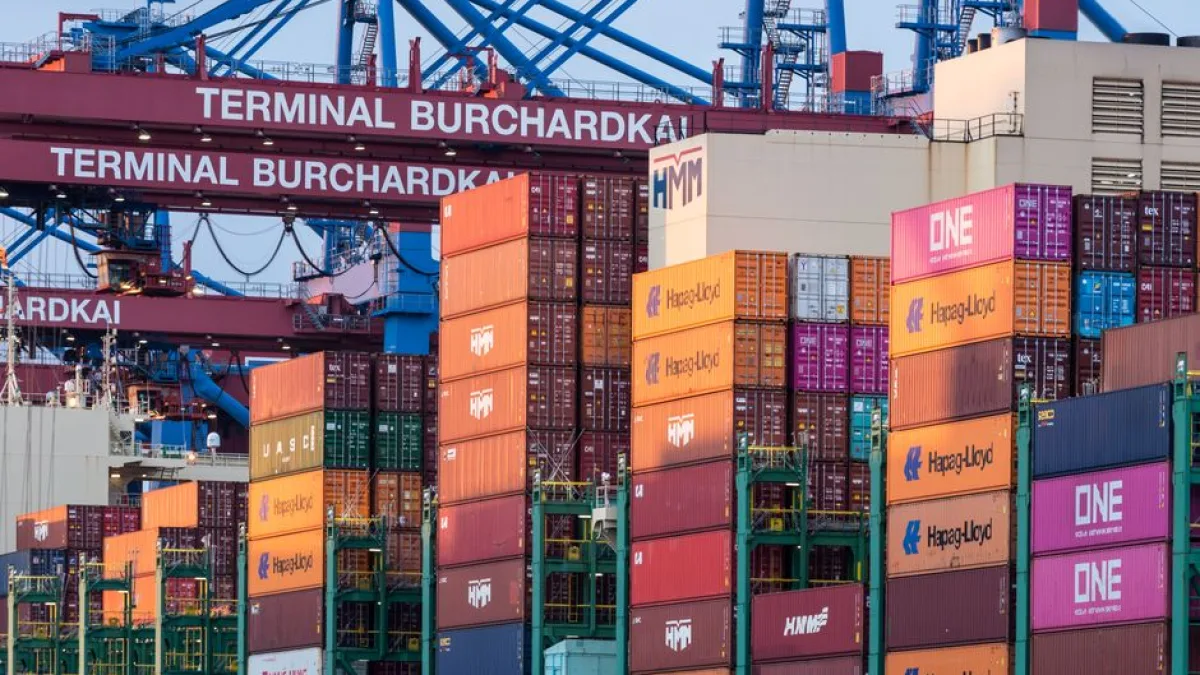
Direct API integrations between your platform and carrier systems provide the most reliable way to receive updates. Instead of waiting for manual emails or portal logins, your system automatically captures the latest tracking status and sends notifications to clients.
- Direct Carrier Connections: APIs allow your system to talk directly to steamship lines and airlines, which ensures you receive real-time updates regarding vessel positions and flight arrival schedules immediately.
- Automated Status Updates: Your software automatically pushes tracking milestones to your clients, which saves your customer service team from answering constant questions about where specific shipments are currently located.
- Improved Pricing Agility: Integration with carrier rate APIs allows you to compare freight costs across multiple options, which helps your team provide the most competitive quotes to prospective customers.
- Reduced Communication Lag: Automated triggers ensure that your team is notified of any deviation from the planned schedule, allowing for proactive problem solving before the client even notices issues.
API-driven integration serves as the backbone of modern freight forwarding visibility. By eliminating the reliance on slow, human-mediated communication, forwarders can offer a superior digital experience that justifies premium service rates. This level of technical maturity distinguishes your brand in a crowded market, positioning your firm as a forward-thinking partner that leverages the latest digital capabilities to move goods more efficiently.
Building Scalable Customer Portals

Modern shippers expect a self-service experience similar to consumer banking or e-commerce. Building a branded customer portal is the most effective way to empower your clients while reducing the administrative burden on your internal team members every single day.
- Branded User Interface: Customizing the portal with your company branding reinforces your professional image and creates a cohesive experience that keeps your clients engaged throughout the entire shipping process.
- On-demand Reporting Tools: Clients can generate their own performance reports and shipping history documents, which reduces the manual work required by your team to provide monthly or quarterly updates.
- Secure Messaging Channels: Built-in chat features allow for quick communication regarding specific shipments, ensuring that all conversations stay organized within the context of the relevant cargo file for easy reference.
- Integrated Payment Portals: Allowing customers to view invoices and process payments directly through the portal improves your cash flow and makes the entire billing process much more convenient.
Investing in a high-quality customer portal is an investment in long-term client retention. When shippers can manage their logistics needs through your platform at their own pace, they feel more in control of their supply chain. This transparency builds deep trust, which is the ultimate currency in the freight forwarding industry, ensuring that your customers remain loyal partners for years to come.
Conclusion

Successful freight forwarding in the modern era requires a robust commitment to technology and digital integration. By leveraging cloud platforms, automating documentation, utilizing carrier APIs, and building intuitive customer portals, your business can significantly enhance operational efficiency. Start your digital transformation journey today by reviewing your current workflows and identifying where automation can add the most value to your daily logistics operations.