Optimizing Freight Forwarding Through Advanced Digital Integrations
Sunday, August 2 2026
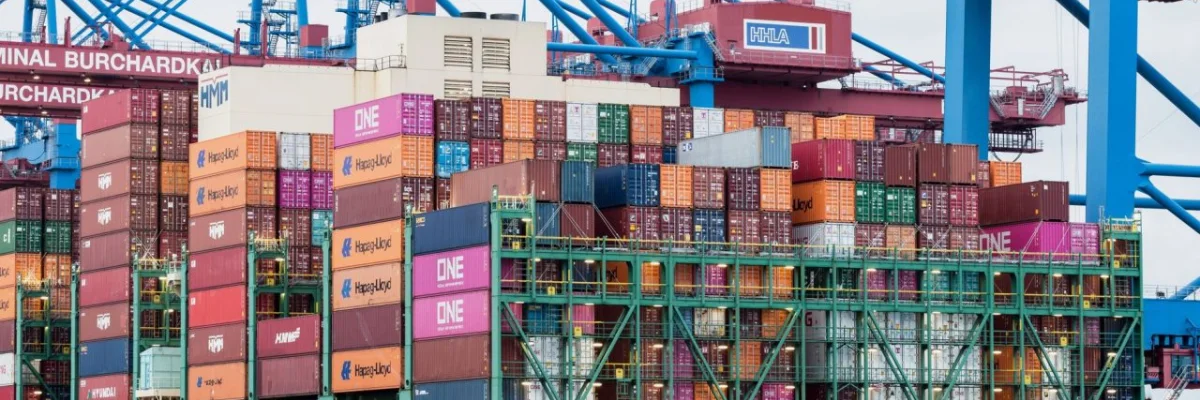
The global logistics landscape is undergoing a massive transformation driven by the rapid adoption of cloud-based platforms. Modern freight forwarders face increasing pressure to provide real-time visibility, automated documentation, and seamless communication across complex supply chains. By moving away from legacy systems and embracing integrated software solutions, logistics professionals can eliminate manual errors, reduce operational bottlenecks, and significantly improve service delivery speed. This shift is not just about keeping pace with competitors but about creating a scalable foundation that supports future growth while enhancing the overall experience for clients who expect transparency and efficiency in every shipment movement.
Centralized Data Ecosystems
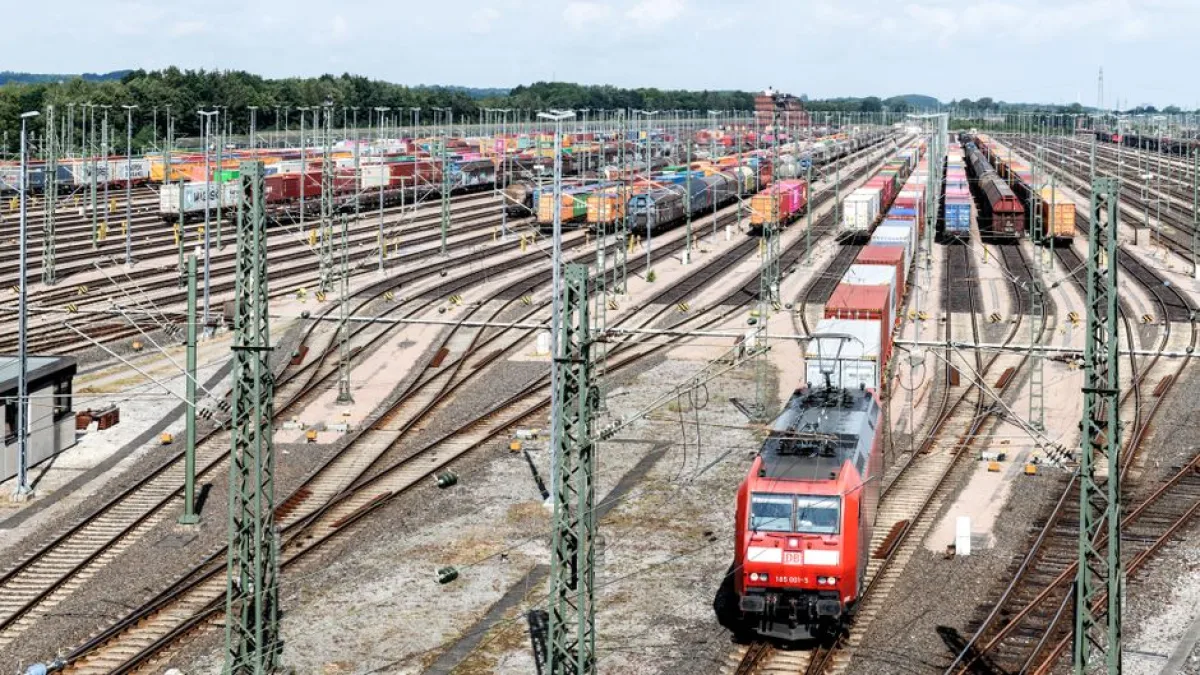
Unified software platforms consolidate fragmented data points into a single source of truth. By breaking down departmental silos, teams gain immediate access to critical shipment information, enabling faster decision-making processes and improved collaboration across all levels of the international shipping organization.
- Improved Data Accuracy: Centralized platforms automatically sync information across departments to ensure that every stakeholder views identical shipment records, thereby minimizing discrepancies and reducing expensive manual data entry errors.
- Real-time Visibility: Accessing live tracking data from multiple carriers within one interface allows teams to monitor cargo status constantly and proactively address potential transit delays immediately.
- Streamlined Documentation: Automated systems generate standardized bills of lading and invoices instantly, which reduces the time staff spend on administrative tasks and improves overall documentation compliance.
- Enhanced Internal Communication: Integrated messaging tools within the platform allow logistics coordinators to share updates and documents internally, ensuring that every team member stays informed about project requirements.
- Scalable Infrastructure: Cloud-based architecture enables freight forwarders to add new services or modules as their business volume grows, ensuring the technical foundation supports long-term operational expansion goals.
Adopting a centralized ecosystem fundamentally alters how freight forwarders manage their daily workflows. By removing the need to switch between disparate software applications, staff can focus their energy on high-value tasks like client relationships and strategic network management. This consolidation leads to higher productivity levels and a much more reliable service offering that builds trust and loyalty among your existing global client base.
Automated Carrier Connectivity
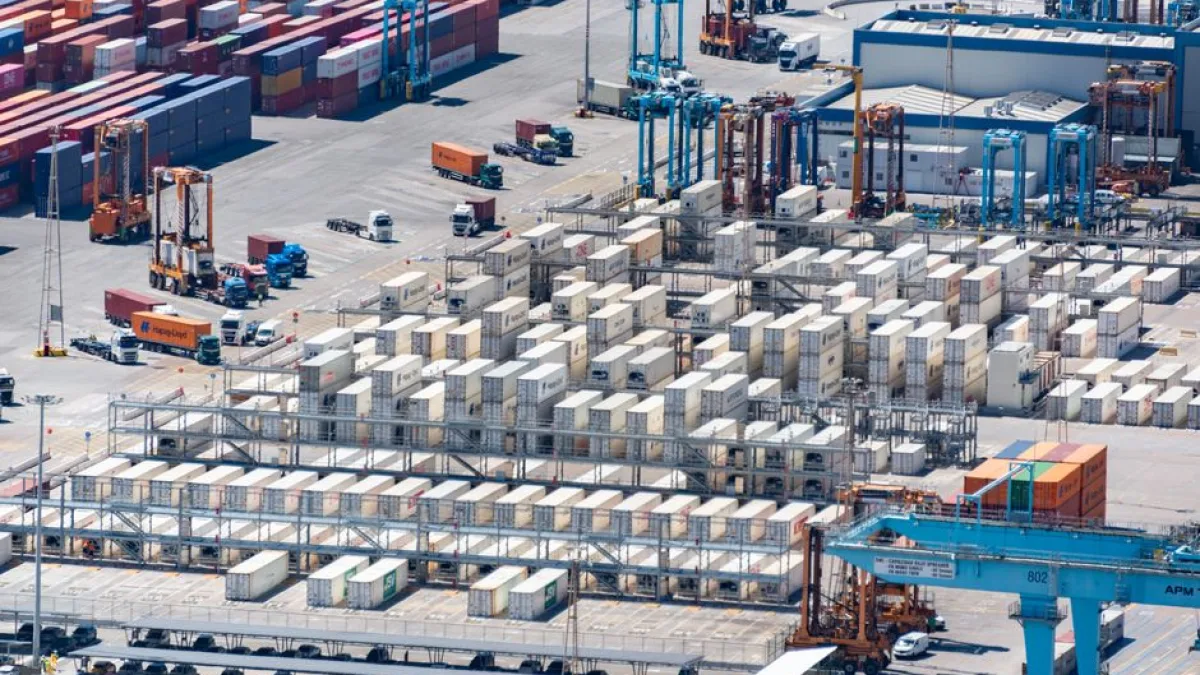
Digital API connections between forwarders and carriers are revolutionizing how booking and tracking data flows. This automation replaces manual email requests with instant digital exchanges, drastically reducing response times while providing clients with the up-to-date tracking accuracy they now demand.
- Instant Booking Capabilities: Automated system-to-system connections allow forwarders to secure space on vessels immediately, which bypasses the slow and prone-to-error process of manual carrier booking requests and confirmations.
- Automated Status Updates: Integration modules pull real-time container milestones directly from carriers, providing accurate tracking status to customers without requiring manual intervention from your operations team members.
- Seamless Rate Retrieval: Accessing live carrier pricing through direct integrations enables forwarders to provide competitive quotes quickly, improving the likelihood of winning new business in competitive markets.
- Error-free Data Transmission: Digital integration ensures that shipment details are transferred perfectly between systems, which prevents the costly mix-ups often associated with manual re-typing of carrier data.
- Increased Operational Velocity: Automating routine interactions allows your staff to manage a higher volume of shipments without increasing headcount, directly improving the bottom-line profitability of your operations.
The transition toward automated carrier connectivity is essential for remaining relevant in today's digital freight market. By removing friction from the interaction between forwarders and transporters, you create a smoother logistical flow that benefits every link in the supply chain. Clients will appreciate the speed of your updates, while your internal team will enjoy the reduced burden of repetitive, manual administrative chores.
Predictive Analytics Tools

Data-driven insights empower forwarders to anticipate supply chain disruptions before they occur. By leveraging advanced analytics, companies can transform historical shipment performance data into actionable strategies that minimize risk and optimize transit routes for their most important international cargo.
- Proactive Risk Mitigation: Analytical tools identify patterns in historical delay data, allowing your operations team to choose more reliable shipping routes and carriers to avoid future disruptions.
- Strategic Performance Benchmarking: Analyzing carrier transit times and cost performance enables management to make evidence-based decisions when selecting partners for specific lanes or high-priority client accounts.
- Capacity Forecasting Trends: Sophisticated algorithms predict seasonal demand surges, helping you secure necessary cargo space well in advance to avoid the high costs of last-minute spot market.
- Client Behavior Insights: Tracking and analyzing client booking habits provides valuable data for tailored service offerings, which helps in retaining key customers through personalized logistical support solutions.
- Resource Allocation Optimization: Insightful reports highlight where team productivity is highest, enabling managers to deploy staff effectively across different operational regions for maximum efficiency and output.
Predictive analytics represent the next frontier for professional freight forwarders aiming to differentiate their services. Rather than reacting to problems after they emerge, your team can use these intelligent insights to stay ahead of the curve. This forward-thinking approach transforms the freight forwarder from a simple service provider into a strategic partner who actively helps clients achieve their own supply chain objectives.
Cloud-Based Security Compliance

Protecting sensitive shipment data is a top priority in an increasingly connected logistics world. Modern cloud platforms provide robust security measures that are far superior to local server installations, ensuring that your company and client data remains shielded from cyber threats.
- Advanced Encryption Standards: Leading cloud platforms utilize military-grade encryption to protect all data in transit and at rest, ensuring that confidential shipping documents remain secure from external threats.
- Regular System Audits: Automated cloud infrastructure undergoes frequent security testing and compliance updates, which provides continuous protection against evolving digital vulnerabilities without manual intervention from your team.
- Controlled Access Management: Role-based access controls allow administrators to define exactly what information each user can view or edit, minimizing the risk of unauthorized data exposure internally.
- Automatic Data Backups: Consistent and secure cloud backups ensure that your business information is never lost due to hardware failure, protecting your continuity and operational reputation long-term.
- Regulatory Compliance Support: Modern software providers design their systems to meet international data protection standards, which simplifies the process of staying compliant with global security regulations and requirements.
Security is the bedrock upon which modern freight forwarding software must be built. By moving to a secure, cloud-based environment, you protect your company from the devastating financial and reputational consequences of data breaches. This peace of mind allows your team to focus exclusively on logistical excellence, confident that the digital tools they use every day are backed by world-class security.
Conclusion
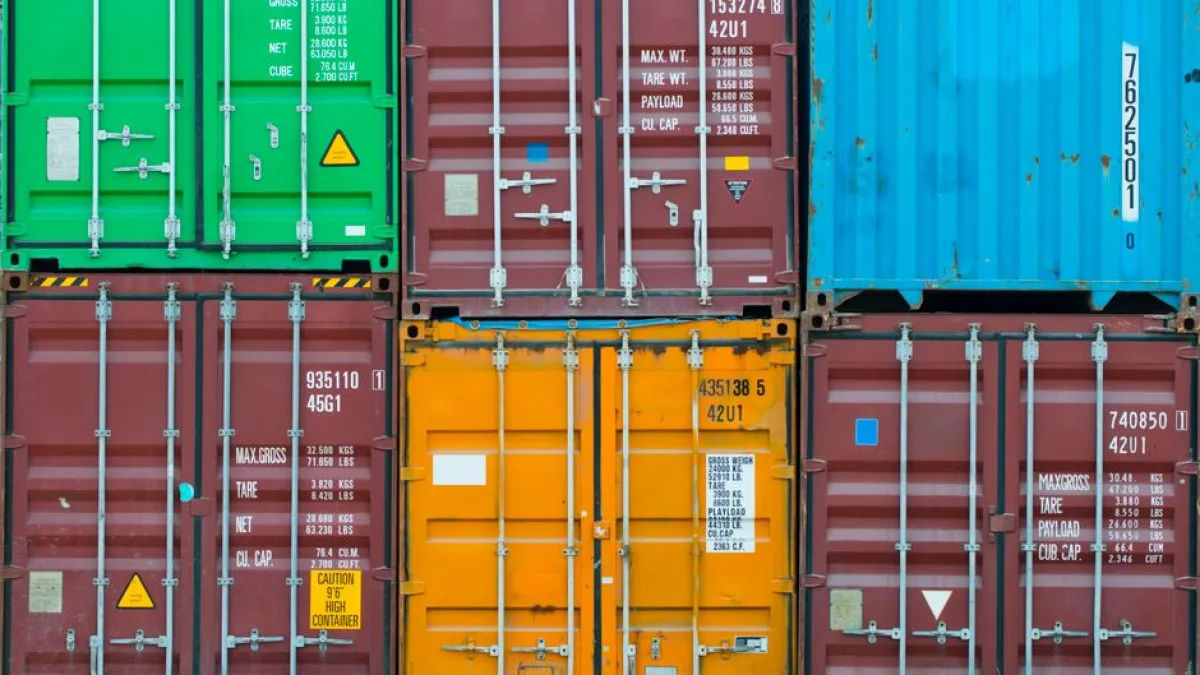
Digital transformation through integrated software is no longer optional for successful freight forwarders. By centralizing data, automating carrier tasks, leveraging predictive analytics, and ensuring data security, your firm will gain a significant competitive advantage. Now is the perfect time to evaluate your current technology stack and embrace the modern digital tools that will define the future of the global logistics industry.