Optimizing Freight Forwarding Through Advanced Technology Integrations
Saturday, July 25 2026
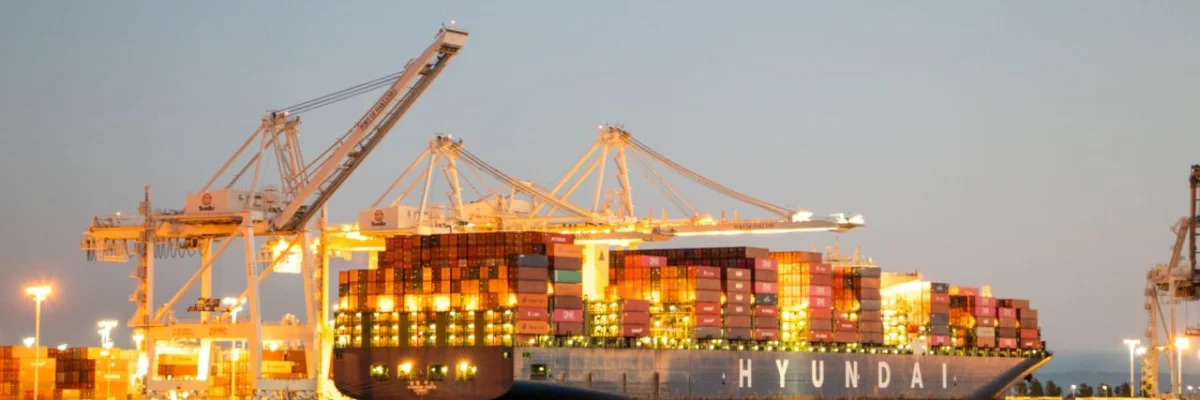
The modern logistics landscape demands unprecedented speed and accuracy to maintain a competitive edge in global trade. Freight forwarders often struggle with fragmented systems that hinder communication and delay shipment visibility. By adopting cloud based software platforms, companies can unify their operations and bridge the gap between carriers, agents, and end customers. This digital transformation represents more than just an upgrade to internal processes; it is a fundamental shift toward data driven decision making. Embracing technology integrations allows firms to automate manual tasks, reduce human error, and provide real time updates that build lasting trust with clients across the entire supply chain.
Automating Manual Documentation Processes

Automating paperwork is essential for improving operational speed and reducing the risk of clerical errors. By digitizing workflows, forwarders can reclaim hours spent on manual data entry and focus their expertise on managing complex logistics challenges for their growing global clients.
- Reduced Data Entry: Cloud platforms capture data directly from emails and documents to populate forms automatically, saving your team from repetitive tasks that consume valuable time and resources each day.
- Document Standardization: Automated templates ensure that every shipping document adheres to international regulations, preventing costly delays at customs and ensuring consistency across all your international freight shipments.
- Instant Field Extraction: Modern software utilizes artificial intelligence to pull critical information from invoices and packing lists, reducing the need for manual review while maintaining high data accuracy rates.
- Error Rate Mitigation: Automated validation rules catch mistakes before they impact downstream operations, keeping your documentation clean and compliant while fostering stronger partnerships with agents and regulatory customs authorities worldwide.
Transitioning to automated documentation marks a turning point for any growing freight forwarding business. It allows your staff to shift their energy from administrative burdens to high value tasks like relationship management and strategic planning. By minimizing the time spent correcting typos or retyping data, you ensure that every shipment moves through the pipeline smoothly and reaches its final destination without unnecessary operational friction.
Enhancing Real Time Shipment Tracking
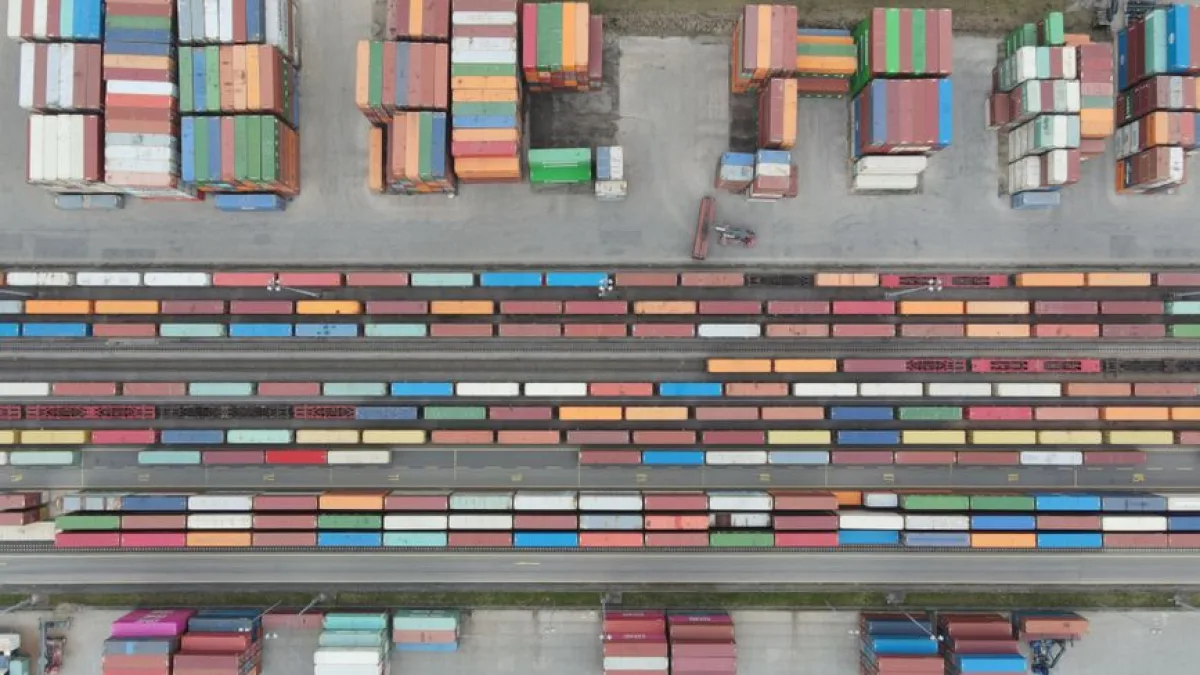
Real time tracking provides the transparency that modern customers expect from their logistics partners. Integrating live data feeds directly into your software platform allows you to monitor cargo status from origin to final delivery with absolute precision and clarity.
- Integrated Data Feeds: Connecting your dashboard to carrier APIs ensures that your team sees the latest status updates immediately, removing the need for manual status checks on external websites.
- Proactive Issue Alerts: Automated notifications alert your operations team the moment a delay occurs, enabling you to communicate with the client early and implement contingency plans before problems escalate.
- Customer Self Service: Providing a branded client portal empowers your customers to track their own shipments, which reduces the volume of status update inquiries reaching your desk every day.
- Complete Journey Visibility: Connecting multimodal transport data provides a comprehensive map of the entire cargo journey, helping you understand where bottlenecks occur and how to optimize future delivery routes.
When you offer superior visibility, you differentiate your brand from competitors who still rely on fragmented tracking methods. Real time data empowers your team to act rather than react, turning potential service failures into opportunities for excellent communication. This level of service transparency fosters loyalty and trust, ensuring that your clients return to your firm for their future shipping needs consistently.
Synchronizing Financial Management Workflows

Financial synchronization is crucial for maintaining cash flow and ensuring that invoices match the actual services rendered. Integrating your accounting software with freight operations provides a unified view of profit margins and helps prevent costly revenue leakage issues.
- Automatic Invoice Generation: Once a shipment is marked as delivered, the system triggers accurate invoices based on pre-defined rates, accelerating the billing cycle and improving your accounts receivable health.
- Expense Tracking Integration: Syncing supplier costs with your operational platform ensures that every ancillary charge is captured and allocated correctly, allowing for precise tracking of profit per shipment.
- Simplified Currency Conversion: Software integrations handle volatile exchange rates automatically, providing your financial team with accurate reporting regardless of the currencies involved in international trade and global transactions.
- Audit Trail Transparency: Maintaining a digital record of all financial changes ensures that you are prepared for compliance audits, protecting your business reputation and verifying all internal controls.
Streamlined financial workflows bridge the gap between operations and accounting, creating a single source of truth for your business performance. By removing manual reconciliations, your financial team can provide leadership with accurate, up to date insights on profitability. This operational clarity allows you to make informed decisions about your pricing strategies and resource allocation, ultimately driving long term growth and stability for your firm.
Building Scalable Tech Ecosystems

Scalability requires a tech stack that can grow alongside your business volume. By choosing flexible integrations, you can add new tools as needed without overhauling your entire existing infrastructure, ensuring that your company remains agile and ready for change.
- Flexible API Access: Utilizing open API connections allows you to plug in specialized tools for warehouse management or insurance, tailoring your software environment to fit your specific logistics niche.
- Scalable Cloud Infrastructure: Cloud hosting ensures that your system handles increased user loads during peak shipping seasons without performance drops, keeping your operations stable during periods of high activity.
- Future Proof Upgrades: Regular software updates and cloud patches keep your platform secure and current with global industry standards, protecting your firm against emerging cyber threats and evolving trends.
- Data Driven Insights: Advanced analytics tools turn your historical shipping data into actionable intelligence, helping you predict market shifts and optimize your service offerings for maximum future profitability.
Investing in a scalable tech ecosystem is the smartest move for long term success in the logistics sector. It prepares your team to handle increased volume and complex international requirements without breaking their stride. By focusing on integration today, you create a robust foundation that will support your firm through every stage of development, helping you stay ahead of the curve always.
Conclusion

Technology integrations are no longer optional for freight forwarders who want to succeed in a crowded market. By unifying your documentation, tracking, finances, and infrastructure, you create a powerful, efficient operation. Start your digital transformation today to improve your margins, increase client satisfaction, and scale your business with confidence. The future of logistics is connected, and your firm is ready to lead.