Optimizing Freight Forwarding Through Strategic Tech Integration
Tuesday, August 4 2026
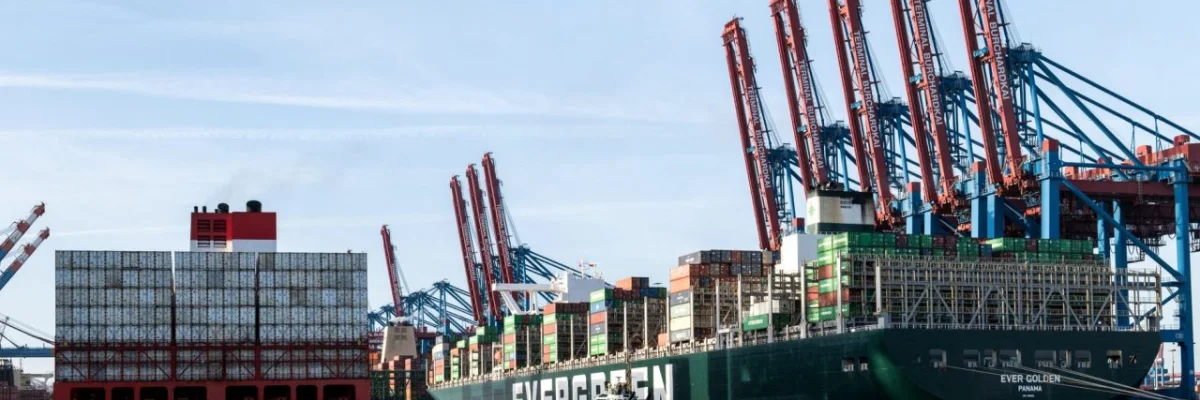
The modern logistics landscape demands unprecedented levels of connectivity and data transparency to maintain a competitive edge. As freight forwarders manage increasingly complex global supply chains, manual processes often lead to costly delays and visibility gaps. Adopting cloud-based platforms is no longer a luxury but a strategic necessity for firms aiming to scale operations efficiently. By integrating disparate systems into a unified digital architecture, forwarders can unlock actionable insights and foster better communication with partners. This shift toward automation and centralized data management empowers teams to focus on strategic growth while minimizing risks associated with human error and outdated legacy systems.
Centralized Data Architecture
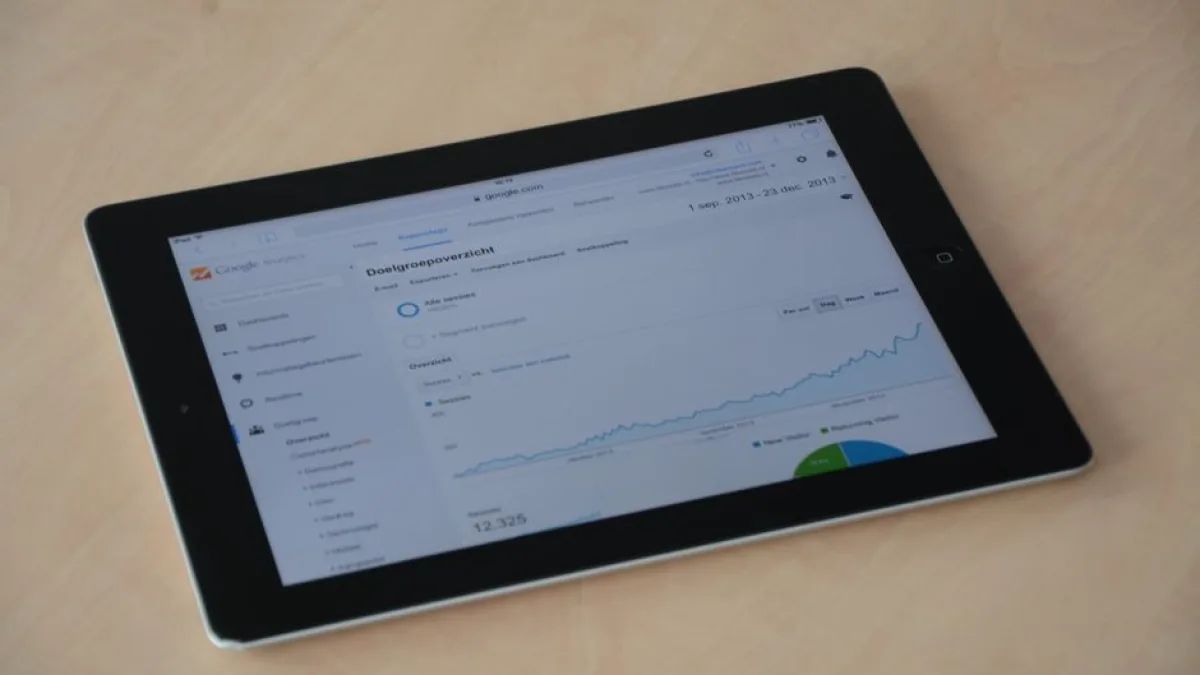
Building a centralized data architecture serves as the foundation for modernizing your logistics operations. By consolidating all shipping data into one cloud interface, teams gain instant access to critical documents and status updates, effectively eliminating the silos that stall productivity.
- Unified Data Access: Centralizing information allows every team member to view real-time status updates, which eliminates the need for endless email chains or separate legacy tracking applications for each shipment.
- Automated Data Entry: Implementing intelligent automation tools reduces manual input tasks, thereby decreasing the risk of typographical errors that often result in significant shipping delays or incorrect customs filings.
- Real-time Reporting Tools: Managers can generate accurate performance reports instantly, providing the deep visibility needed to identify bottlenecks within the supply chain and improve overall service levels for every client.
- Improved Client Transparency: Providing customers with a branded portal for tracking their cargo builds long-term trust, as it grants them total visibility into their logistics milestones without requiring manual updates.
Adopting this centralized approach significantly reduces the time spent on administrative overhead. When your team accesses a single source of truth, decision-making becomes faster and more precise. Your staff can pivot from reactive problem solving to proactive shipment management, which dramatically elevates the level of service offered to your customers. Investing in a cloud-based framework today ensures your business stays resilient against market volatility.
Seamless API Connectivity
Application programming interfaces act as the connective tissue between your logistics platform and external partners. Leveraging APIs allows your software to communicate directly with carriers, customs authorities, and port systems, ensuring that information flows accurately and instantly across the entire network.
- Carrier Data Integration: Connecting your platform via APIs to major carriers ensures that tracking information is updated automatically, keeping your operations team informed about arrival status without manual intervention.
- Customs Clearance Flow: Direct integration with government agencies streamlines the filing of entry documents, significantly reducing the turnaround time for cargo clearance and avoiding unnecessary detention or demurrage fees.
- Automated Rate Requests: Implementing direct connections allows for real-time freight quote generation, enabling your team to respond to client pricing inquiries with high accuracy in just seconds.
- Inventory Management Sync: Integrating with client warehouse systems ensures that dispatch notifications are triggered automatically, which facilitates a faster handoff from factory floor to international logistics transport lanes.
The beauty of seamless connectivity lies in its ability to remove friction from international trade. By automating the data exchange process, you eliminate the delays inherent in manual entry. This reliability creates a superior experience for shippers who expect precision. As global trade continues to digitize, firms that leverage these technical integrations will naturally outperform competitors who still rely on manual data processing.
Enhanced Visibility and Analytics
Advanced visibility tools transform raw data into a powerful asset for your brokerage. By leveraging deep analytics, forwarders can identify patterns in shipping routes, evaluate carrier performance, and optimize costs to better serve their clients in a volatile economic climate.
- Predictive Arrival Tracking: Advanced algorithms analyze historical data and weather patterns to provide accurate arrival estimates, helping your team notify clients about potential issues long before they occur.
- Carrier Performance Metrics: Tracking the reliability of your service providers through detailed scorecards helps you negotiate better contracts and select the most efficient partners for specific lanes.
- Cost Management Dashboards: Visualizing all expenditure items in one clear dashboard helps identify where budgets are being stretched, allowing for better allocation of resources and improved profit margins.
- Trend Forecasting Intelligence: Utilizing historical shipping volumes allows your company to anticipate busy seasons, ensuring that you secure sufficient capacity ahead of time to meet your customers' seasonal demands.
Data is the most valuable resource available to a modern logistics company. By utilizing sophisticated analytics, your firm moves from being a simple service provider to a strategic partner. This level of insight allows you to advise clients on how to reduce their total logistics spend. Maintaining a data-driven culture ensures that your strategic business decisions are based on evidence rather than intuition.
Scalable Cloud Infrastructure
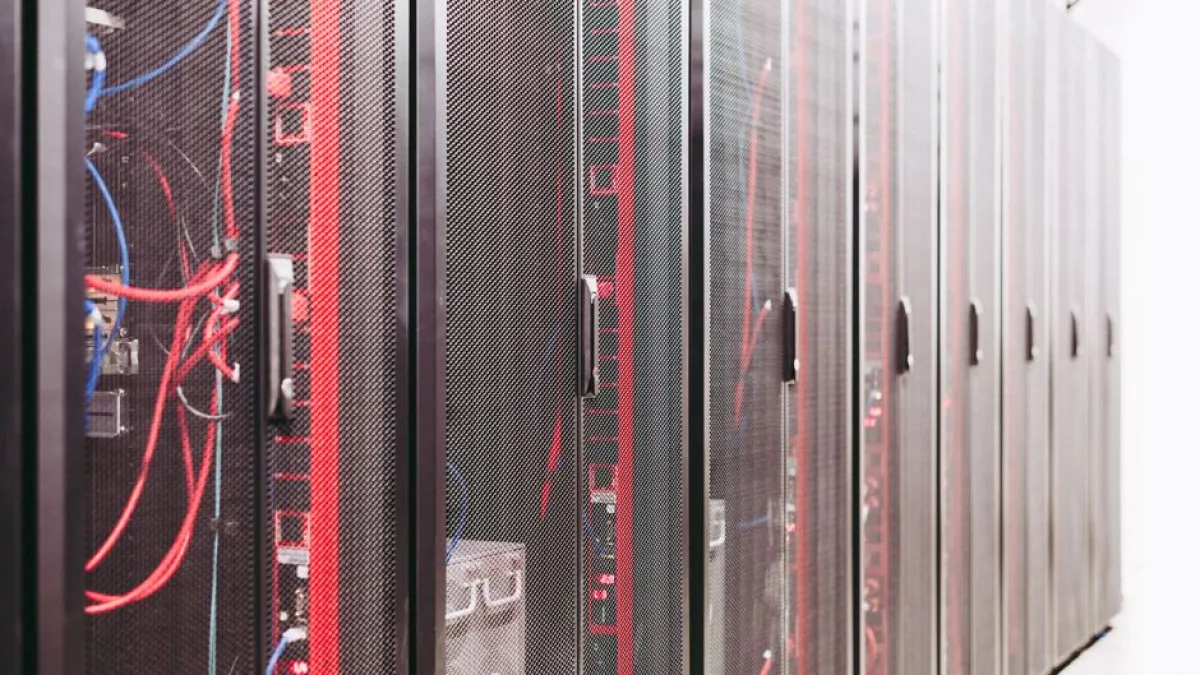
Cloud infrastructure provides the flexibility required to grow your business without the constraints of physical hardware. Whether handling high-volume seasons or expanding into new international markets, a scalable platform adapts to your needs and keeps your operations running efficiently.
- Elastic Storage Capacity: Cloud platforms scale automatically to handle surges in documentation during peak shipping months, ensuring that your software remains stable and responsive despite heavy traffic or workloads.
- Remote Access Capabilities: Teams can manage shipments from any location globally, fostering a collaborative environment that attracts top talent while maintaining operational continuity during times of regional disruption.
- Enhanced Cyber Security: Top-tier cloud providers invest heavily in sophisticated security protocols, ensuring that your sensitive client and financial data remain protected from increasingly complex digital threats today.
- Regular Software Updates: Cloud models ensure your business always uses the latest features and compliance standards without the need for manual installations or disruptive downtime for upgrades.
Investing in scalable cloud technology positions your firm for sustainable future expansion. As your shipment volume increases, your software continues to support you with robust performance and reliability. By removing technical barriers to growth, you empower your team to chase new opportunities. This infrastructure gives you the freedom to innovate your services and expand your global footprint with absolute operational confidence.
Conclusion
Integrating advanced technology into your freight forwarding workflow is a critical step toward future-proofing your business. By focusing on data centralization, seamless connectivity, and scalable infrastructure, you can enhance operational efficiency and deliver superior value to your global clients. Start reviewing your current stack today to identify areas where automation can reduce overhead and drive measurable success for your professional team.