Optimizing Freight Forwarding Through Strategic Tech Integration
Wednesday, August 19 2026
The global logistics landscape is undergoing a profound transformation driven by rapid digitization and the need for greater supply chain visibility. For freight forwarders, the ability to integrate disparate systems into a unified platform is no longer just a luxury but a fundamental requirement for survival. As market volatility becomes the new normal, professionals must leverage cloud-based solutions to automate manual tasks and enhance data accuracy. By adopting modern technology stacks, companies can eliminate communication bottlenecks, reduce costly errors, and ultimately provide a seamless, transparent experience that builds lasting trust with every international client they serve.
Centralizing Operational Data Streams

Data fragmentation remains a primary obstacle for modern logistics firms trying to maintain consistency across global offices. By consolidating all operational information into a single cloud platform, teams gain a birds-eye view of every shipment cycle and client requirement.
- Single Source Truth: Consolidating all shipment details into one centralized database ensures every team member accesses real-time data, effectively eliminating the risks associated with outdated spreadsheets or disconnected legacy software systems.
- Enhanced Data Accuracy: Automated entry processes drastically reduce the probability of human errors during documentation phases, ensuring that critical shipping information remains reliable and accessible throughout the entire cargo lifecycle.
- Improved Team Collaboration: Cloud platforms facilitate seamless communication between geographically dispersed departments, allowing for instant updates and shared access to important files that streamline daily workflows and project coordination efforts.
- Unified Reporting Capabilities: Integrated systems provide robust analytics tools that generate comprehensive performance reports, enabling management to identify operational bottlenecks and make informed, data-driven decisions that improve overall service efficiency.
When freight forwarders move away from silos, they unlock significant improvements in productivity and decision-making capabilities. A unified platform acts as the nervous system for your entire organization, connecting back-office accounting with front-end operations. This alignment ensures that every stakeholder, from warehouse staff to executive managers, works with the same information to deliver consistent results and maintain a competitive edge in busy markets.
Automating Complex Documentation Workflows

Manual paperwork is a persistent drain on time and resources for many forwarding agencies today. Automating these repetitive documentation tasks allows staff members to redirect their energy toward higher-value activities such as customer relationship management and strategic business growth.
- Automated Document Generation: Intelligent software automatically pulls relevant data to create bills of lading and commercial invoices, saving countless hours and ensuring professional consistency across all outgoing shipment documentation packages.
- Seamless Customs Filing: Integrating direct connections to customs authorities enables automated compliance checks and document submissions, which significantly reduces delays at border crossings and minimizes the risk of regulatory fines.
- Standardized Data Entry: Implementing smart templates ensures that every form follows the required industry formats, reducing the need for manual revisions and speeding up the processing time for complex international export.
- Digital Document Storage: Secure cloud storage provides an immutable audit trail for all shipping documents, making it easier to retrieve information for compliance audits or client inquiries within seconds.
Transitioning to automated documentation workflows transforms the way your agency handles peak periods and complex shipments. By eliminating the manual shuffle of paper files and email attachments, your team can process higher volumes of freight with greater accuracy. This technology-driven approach not only cuts costs but also positions your company as a modern, reliable partner in an increasingly demanding global trade environment.
Enhancing Real-Time Cargo Visibility
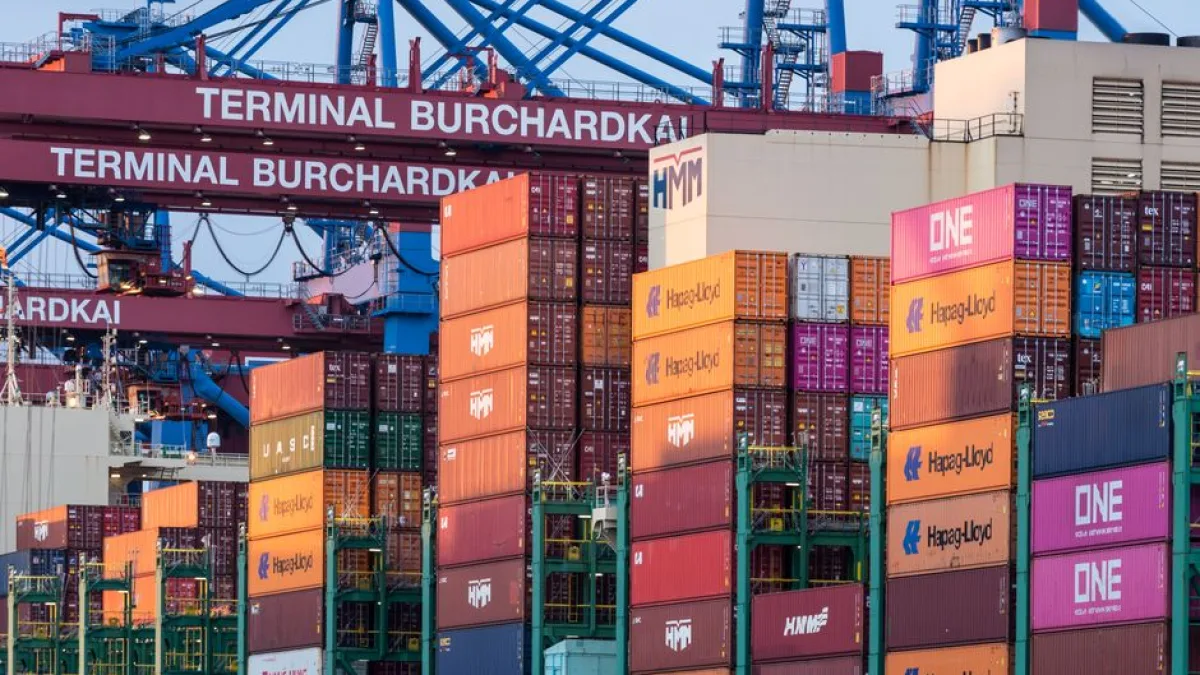
Customers today demand instant visibility into the status of their cargo regardless of location. Providing real-time tracking updates helps manage client expectations while simultaneously allowing your operations team to proactively address potential issues before they escalate into serious delays.
- Live Tracking Integration: Connecting your platform to ocean and air carrier APIs provides automatic, real-time updates regarding vessel locations, ensuring your clients always know where their freight is currently positioned.
- Proactive Exception Alerts: Advanced notification systems automatically flag potential delays caused by weather or port congestion, allowing your team to communicate with clients early and offer practical alternative solutions quickly.
- Client Portal Access: Offering customers a self-service portal for tracking shipments reduces the frequency of routine status inquiry calls, freeing up your support team for more complex client needs.
- Enhanced Transparency Levels: Consistent updates create a culture of transparency that strengthens brand reputation, demonstrating your company commitment to proactive communication and superior service in all international shipping operations.
Real-time visibility is the cornerstone of modern customer satisfaction in the logistics sector. By empowering clients with accurate, up-to-the-minute data, you reduce anxiety and build long-term loyalty that survives beyond a single shipment. Investing in visibility tools ensures your team spends less time responding to status requests and more time optimizing routes, managing carrier relationships, and securing new business opportunities for growth.
Scalability Through Cloud Infrastructure

Scalable cloud infrastructure provides the flexibility needed to grow your business without being restricted by physical hardware limitations. As your freight forwarding company expands, your software should be capable of handling increased shipment volumes and adding new operational capabilities seamlessly.
- Infinite Resource Scaling: Cloud software allows you to adjust your storage and processing power in real time, ensuring your systems remain performant even during major seasonal spikes or rapid business expansion.
- Global Access Flexibility: Employees can access critical logistics tools from any location with an internet connection, supporting remote work arrangements and enabling smooth coordination across multiple international office time zones.
- Cost Effective Growth: Subscription-based models allow you to scale your costs in line with your actual usage, preventing the need for large upfront capital investments in expensive on-premise hardware infrastructure.
- Rapid Feature Updates: Cloud platforms receive regular, automated software updates, meaning your business always benefits from the latest security enhancements and industry-standard features without requiring manual installations or downtime.
Adopting a cloud-first strategy provides the agility required to survive and thrive in a fast-changing logistics market. Whether you are managing five shipments or five thousand, the right infrastructure supports your journey without unnecessary technical friction. By choosing a platform that grows alongside your success, you ensure your technology remains an asset that drives innovation rather than a barrier to your future expansion.
Conclusion

Technology integration serves as the vital backbone for any forward-thinking freight forwarding business today. By centralizing data, automating manual workflows, improving visibility, and embracing scalable cloud tools, you position your agency for long-term success. Make the shift toward digital excellence now to improve your internal efficiency and provide the exceptional service quality that modern global shippers expect from their logistics partners.