Optimizing Freight Forwarding Through Strategic Tech Integration
Saturday, September 5 2026

The logistics industry is undergoing a digital transformation where the ability to leverage technology defines market leadership. Freight forwarders are increasingly tasked with managing complex global supply chains while meeting customer expectations for real-time visibility and instant updates. By moving away from manual data entry and fragmented systems toward integrated cloud-based software, companies can eliminate operational silos that drain productivity. This shift not only accelerates the booking and tracking process but also provides a robust foundation for scalable growth. Adopting these advanced tools allows teams to focus on strategic client relationships instead of wrestling with repetitive paperwork and communication bottlenecks.
The Power of Centralized Data

Centralizing your operational data creates a single source of truth for your entire organization. This clarity allows for faster decision making and reduces the likelihood of manual errors that often plague traditional shipping operations, ultimately leading to improved cargo transit efficiency.
- Unified data flow: Consolidating shipment details into one platform ensures that every department has access to the same information, which significantly reduces internal miscommunication and improves overall team coordination.
- Automated error reduction: By removing the need for manual data entry, your staff can avoid common typos and formatting issues that typically result in costly delays during customs clearance processes.
- Real-time reporting capabilities: Advanced analytics provide deep insights into your current performance metrics, allowing you to identify bottlenecks early and adjust your logistical strategies before small issues escalate further.
- Secure cloud storage: Protecting sensitive client documentation is simpler when utilizing encrypted cloud repositories, ensuring that your records remain safe while being accessible from any global location on demand.
Transitioning to a centralized data ecosystem is the first step toward true operational excellence. When your team stops hunting for information across different spreadsheets and email threads, they gain the capacity to handle higher volumes of shipments with greater ease. This transition fosters a culture of accuracy and reliability that keeps your service standards high and ensures you remain competitive in a rapidly evolving market.
Seamless API Connectivity

Application Programming Interfaces act as the digital bridge between your freight platform and your partners. By enabling these direct connections, forwarders can exchange data with carriers and customs agencies instantly, ensuring that shipment status information is always accurate and available.
- Carrier integration speed: Connecting directly to ocean and air carriers allows for instant retrieval of schedules and rates, which helps your team provide clients with quotes in seconds instead of hours.
- Automated customs filing: Direct integration with government portals facilitates the rapid submission of clearance documents, significantly decreasing the time cargo spends sitting idle at busy port terminals or warehouses.
- Third-party software synergy: Integrating your existing accounting and CRM systems ensures that financial data flows smoothly into your operations, keeping your billing cycle aligned with actual shipment milestones.
- Enhanced tracking visibility: APIs provide a constant stream of status updates from multiple sources, feeding live tracking data into your customer portal to maintain high levels of transparency.
Building a robust network of integrations turns your software into a high-performance engine for global trade. When your systems communicate without human intervention, the entire supply chain becomes more resilient to disruptions. Investing in API capabilities allows your business to scale effortlessly as you onboard new partners or enter new trade lanes without needing additional administrative staff to manage the technical overhead.
Advancing Customer Transparency

Modern clients demand instant access to their shipment history and current location data. Offering a professional customer portal elevates your brand identity and shifts the burden of routine status inquiries away from your internal support staff to the client.
- Self-service portals: Providing your customers with a dedicated login area allows them to view documents and track status updates at their convenience, drastically reducing incoming phone and email traffic.
- Instant document access: Uploading commercial invoices and bills of lading to a secure portal gives your clients immediate access to their records whenever they need them for accounting.
- Interactive status alerts: Automated notifications keep your clients informed about their shipment progress at every critical milestone, building trust through consistent communication and proactive updates on cargo location.
- Branded client experiences: Customizing your customer-facing interface helps reinforce your company brand, making your digital service feel personal, professional, and unique compared to standard generic freight forwarder experiences.
Transparency is no longer a luxury but a fundamental expectation in international trade. By providing a clear and accessible digital view of their supply chain, you demonstrate professionalism and reliability to your partners. This focus on the client experience builds long-term loyalty and reduces the time your team spends providing basic updates, freeing them up to solve more complex logistical problems for your shippers.
Scalable Infrastructure Growth
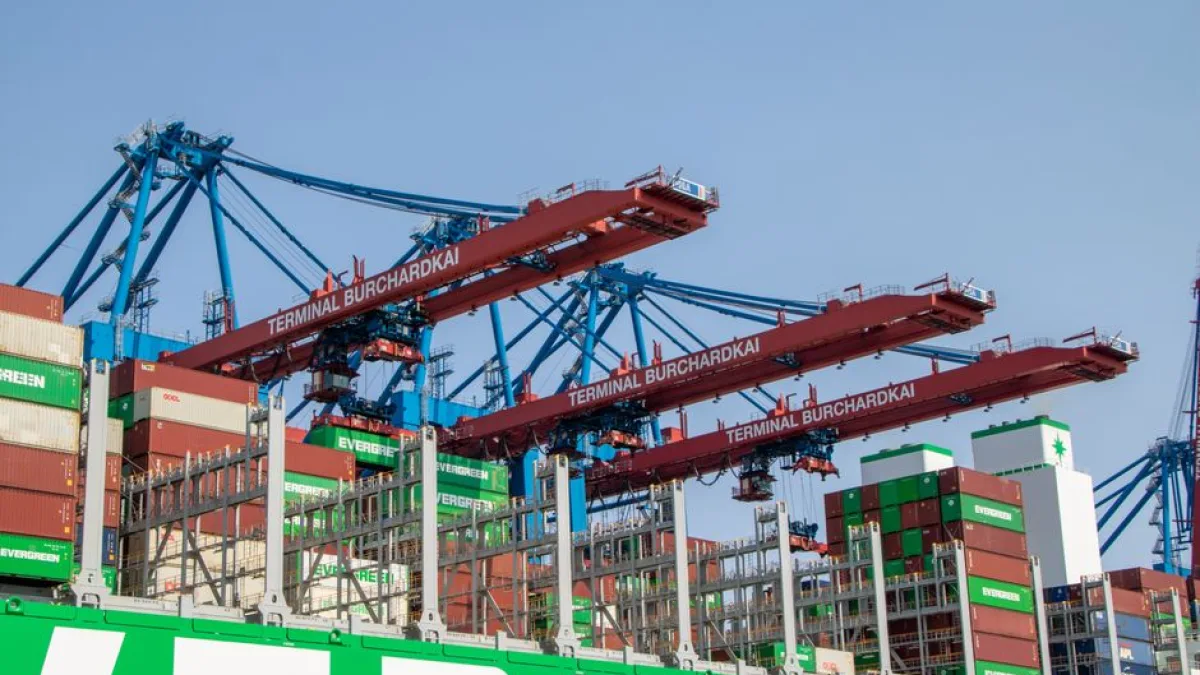
Cloud-based platforms provide the scalability necessary to support your business as it expands into new markets. Unlike legacy software that requires costly physical hardware upgrades, modern systems adapt to your workload, allowing you to grow your operations without technical limits.
- Global access flexibility: Cloud software allows your remote teams to operate from anywhere, which enables you to hire the best talent globally without being restricted by geographical office locations.
- Automatic feature updates: Your platform evolves automatically with industry requirements, ensuring you always have access to the latest security features and operational tools without needing manual system maintenance.
- Cost efficient scaling: Subscription-based models allow you to adjust your resource usage based on current shipping volumes, which helps manage overhead costs effectively during seasonal fluctuations in the market.
- Disaster recovery readiness: Storing your data in the cloud provides built-in redundancy and backup processes, ensuring your business continuity even in the event of local hardware failures or incidents.
Your infrastructure should support your ambitions rather than act as a bottleneck to your growth. By choosing flexible software that evolves with the logistics industry, you prepare your company for future success regardless of how the global economy shifts. This forward-thinking approach ensures your business remains agile, efficient, and ready to capture new opportunities in the global freight forwarding market every single day.
Conclusion

The integration of advanced technology into your freight forwarding workflows is the essential path to operational success. By centralizing data, utilizing APIs, and focusing on customer transparency, you transform your business into a digital-first logistics leader. Start evaluating your current software stack today to identify areas for integration and growth. Embracing these cloud tools will undoubtedly secure your competitive edge in the modern trade environment.