Optimizing Freight Forwarding Through Strategic Tech Integration
Saturday, September 5 2026
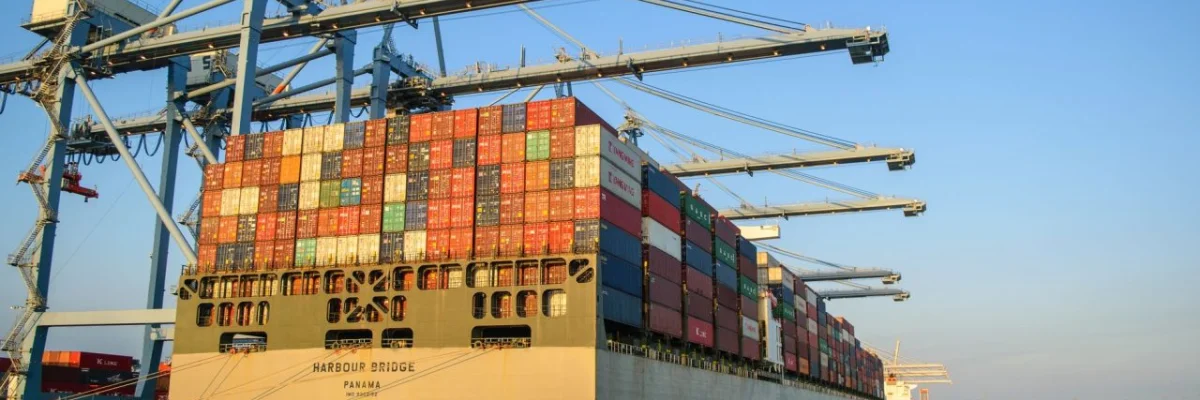
The global logistics landscape is undergoing a massive transformation as freight forwarders shift away from manual processes toward sophisticated digital ecosystems. In an era defined by volatility and high customer expectations, relying on disconnected spreadsheets is no longer a viable path to sustainable growth. Modern freight forwarding software provides the digital backbone needed to centralize operations, automate routine tasks, and foster real-time collaboration across global supply chains. By embracing cloud-based technologies and strategic software integrations, forwarders can unlock significant operational efficiencies while providing the transparency and speed that today's modern shippers demand from their logistics partners.
Centralizing Digital Data Streams

Unifying disparate data sources into a single digital hub allows freight forwarders to gain visibility over every shipment move. By automating manual data entry and syncing documentation, companies ensure that teams have access to the same current information at all times.
- Automated Data Synchronization: Integration tools automatically update your central dashboard with live shipping status changes, eliminating the need for manual tracking emails and reducing the risk of human entry errors.
- Unified Communication Channels: Consolidate client interactions and vendor emails within one platform to ensure that every team member can access history without digging through separate disconnected mail accounts.
- Real-time Document Management: Store and organize bills of lading and customs documents in a centralized cloud vault that allows instant retrieval and sharing with authorized partners globally.
- Dynamic Reporting Tools: Generate performance metrics instantly by pulling data from integrated systems, allowing managers to identify bottlenecks and optimize freight lanes based on actual historical traffic patterns.
Consolidating your operational data is the first step toward true organizational agility. By removing the friction associated with fragmented communication and siloed spreadsheets, your team gains precious hours to focus on high-value tasks. This transition to a centralized digital environment not only boosts internal productivity but also significantly improves the quality of service provided to clients who rely on your fast, accurate reporting.
Automating Complex Booking Workflows
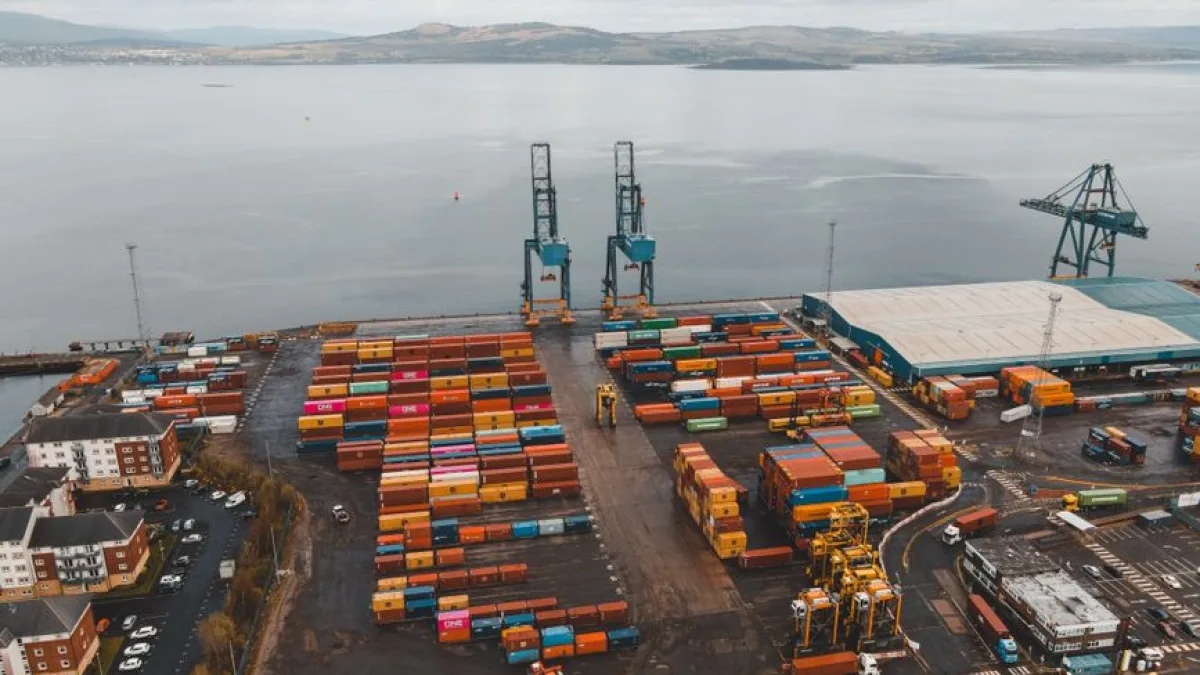
Streamlining the booking process requires robust integrations that connect your front-end customer portal directly to carrier API connections. This automation reduces the administrative burden of manual quote generation and booking confirmation while accelerating your overall response time to market.
- Instant Quote Engines: Integrate carrier rate cards directly into your software to provide shippers with immediate freight quotes based on real-time availability and current market capacity data.
- Direct Booking Integrations: Bypass time-consuming carrier portals by submitting booking requests automatically through your platform to ensure faster confirmation cycles and reduced errors in vessel space.
- Automated Rate Comparisons: Deploy smart algorithms that evaluate multiple carrier options based on price and transit time, helping you select the most efficient route for every specific shipment.
- Self-Service Client Portals: Empower your customers to handle their own bookings and track shipments through a branded interface, which reduces your internal customer service call volume significantly.
By automating the booking lifecycle, you remove the heavy lifting from your operations team while simultaneously delighting customers with faster service. Providing a seamless digital experience for quoting and booking allows your business to scale operations without increasing overhead costs linearly. This competitive advantage makes your freight forwarding services more attractive to shippers who prioritize speed and self-service capabilities in their logistics partners.
Enhancing Supply Chain Visibility

Visibility has become the most critical metric for modern shippers who require granular updates on their goods. Integrating GPS tracking and carrier APIs into your freight platform provides the precise location data necessary to proactively manage transit disruptions.
- Live Tracking Integration: Feed real-time geolocation data from various carriers into your platform to give customers an accurate view of their cargo location throughout the entire journey.
- Proactive Delay Alerts: Configure automated notifications that trigger when a shipment faces a potential delay, allowing your team to communicate solutions before the client even realizes a problem.
- Customized Client Reports: Deliver automated tracking summaries directly to your client inbox, ensuring that stakeholders receive the specific information they need without needing manual intervention from staff.
- Multimodal Visibility Solutions: Connect data from air, ocean, and road carriers into a unified interface, offering a holistic view of the cargo status across multiple transport modes.
True supply chain visibility turns logistics providers into trusted advisors rather than simple movers of goods. By using automated alerts and real-time tracking, you demonstrate reliability and control even during periods of global supply chain instability. This proactive approach builds lasting client loyalty, as your customers feel empowered by the transparency you provide throughout the most challenging and complex transportation routes today.
Scaling Through Smart Integrations
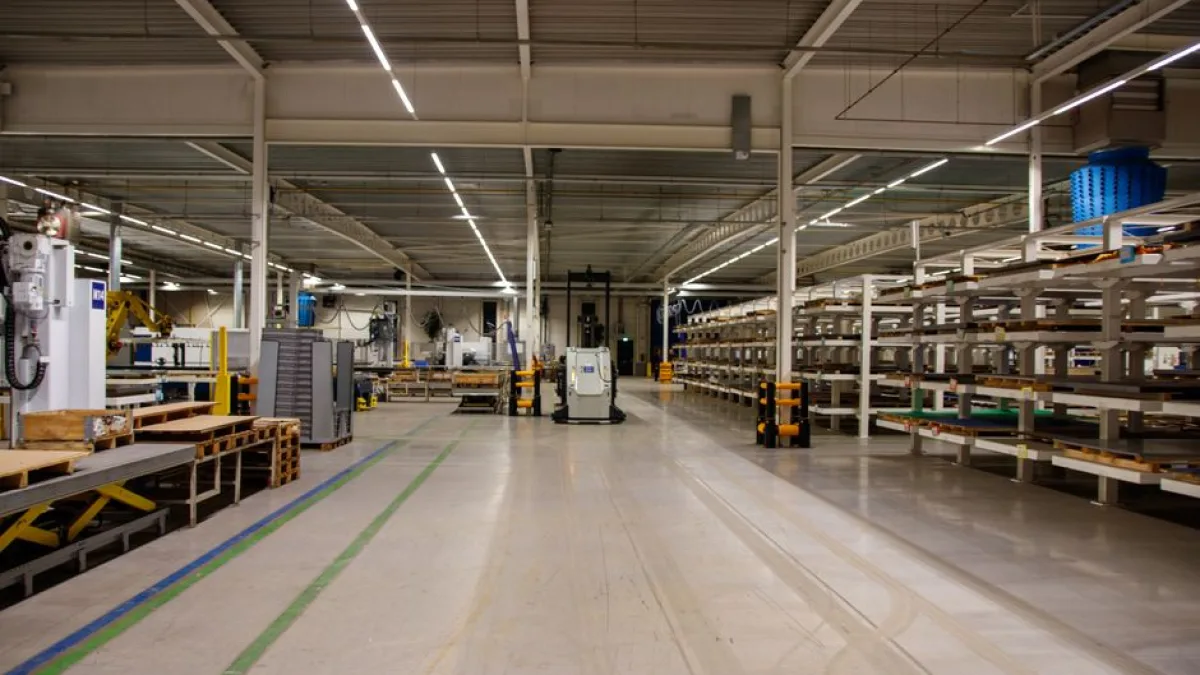
The ability to scale your freight forwarding business depends on how effectively your software communicates with external accounting and customs compliance platforms. Strategic integrations enable you to grow your client base while maintaining a lean and efficient operational structure.
- Seamless Accounting Links: Sync your freight forwarding platform with accounting software to automate invoicing and financial reporting, which ensures cash flow accuracy and reduces time spent on billing.
- Customs Compliance Automation: Connect directly to customs filing software to transmit required documentation, minimizing the risk of clearance delays while ensuring full adherence to international trade regulations.
- Third Party API Access: Leverage open software architecture to build custom connections with proprietary systems that your largest clients may require for their specific supply chain workflows.
- Modular Software Scalability: Choose platforms that offer flexible integration modules, allowing your business to add new features and connectivity options as your specific shipping volume grows over time.
Investing in scalable software integrations prepares your freight forwarding company for long-term growth and success in a crowded market. As you automate the technical connections between finance, compliance, and transport, your business gains the agility needed to handle increased volume with consistent quality. Build your tech stack thoughtfully today to ensure that your platform supports your future goals and evolving industry requirements.
Conclusion

Modernizing your freight forwarding business through technology is no longer optional but a fundamental requirement for staying competitive. By centralizing data, automating workflows, improving transparency, and scaling via smart integrations, you position your firm for sustained success. Begin auditing your current operational bottlenecks today and explore how integrated cloud-based software can transform your business into a more efficient, customer-focused, and profitable logistics powerhouse.