Optimizing Freight Forwarding Through Strategic Tech Integration
Friday, September 18 2026

The global logistics landscape is undergoing a massive digital shift that demands agility and precision from every freight forwarding professional. As supply chains grow increasingly complex, the reliance on manual spreadsheets and disconnected legacy systems has become a significant bottleneck for growth. By adopting cloud-based platforms like MakeCargo, forwarders can centralize their operations, enhance visibility, and eliminate redundant data entry. This transformation is not just about keeping pace with competitors but about redefining the standard of service excellence in an industry where speed and accuracy are the primary currency for long-term operational success and client satisfaction.
Seamless Connectivity Solutions
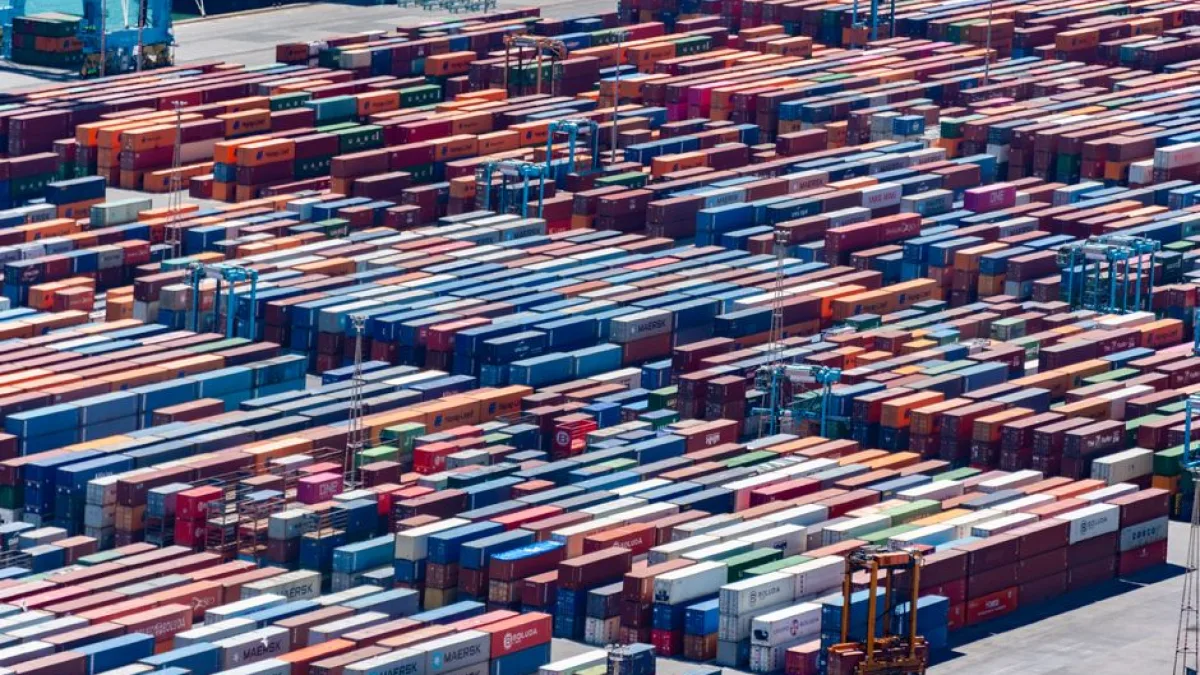
Modern freight forwarding platforms thrive on the ability to bridge gaps between different stakeholders in the shipping lifecycle. By integrating disparate systems into one unified interface, teams can synchronize their logistics operations, ensuring that data moves effortlessly across all departments.
- Real-time data flow: Automated connections between carriers and customs portals ensure that information is updated instantly, reducing the risk of errors while providing stakeholders with accurate updates on cargo status.
- API-driven logistics: Leveraging robust application programming interfaces allows your business to communicate directly with airline and shipping line databases for live booking, tracking, and pricing updates daily.
- Unified communication hubs: Bringing customer inquiries and operational tasks into one centralized space eliminates the need for scattered email threads, keeping every conversation linked to the correct shipment.
- Automated documentation exchange: Digital integration tools automatically pull vital shipping documents from multiple sources, organizing them into a single repository for easy retrieval and rapid customs clearance processing.
Achieving seamless connectivity serves as the backbone of a modern logistics operation. When systems talk to each other without human intervention, the likelihood of operational failure drops significantly. This environment allows your team to focus on high-value client advisory services rather than repetitive administrative tasks, ultimately driving a higher level of efficiency that directly impacts the bottom line for your firm.
Automated Financial Workflows

Financial reconciliation remains one of the most time-consuming aspects of the shipping industry. Automating the billing and invoicing process through integrated software ensures that every cost is captured, calculated, and shared with clients without any manual oversight or errors.
- Instant invoicing accuracy: Software integration automatically populates invoices with verified shipment data, ensuring that charges match contracted rates and eliminating costly mistakes in the final billing statement cycle.
- Automated ledger updates: Direct links to accounting software ensure that all payment statuses and credit notes are reflected instantly, providing a real-time view of your current cash flow.
- Currency conversion precision: Integrated tools handle complex international currency fluctuations in real-time, applying correct exchange rates to invoices to maintain healthy margins on every single global shipment.
- Simplified cost recovery: Automated tracking of ancillary expenses like port charges and terminal handling fees ensures that nothing is overlooked, protecting your company from unintentional profit margin erosion.
Streamlined financial workflows represent the quiet engine behind a profitable freight forwarding enterprise. By moving away from manual entry, companies gain the confidence to scale their volumes without bloating their administrative staff. This level of automation brings a new degree of predictability to revenue streams, empowering managers to make data-driven decisions that secure future stability while maintaining excellent vendor relationships.
Enhanced Visibility Features
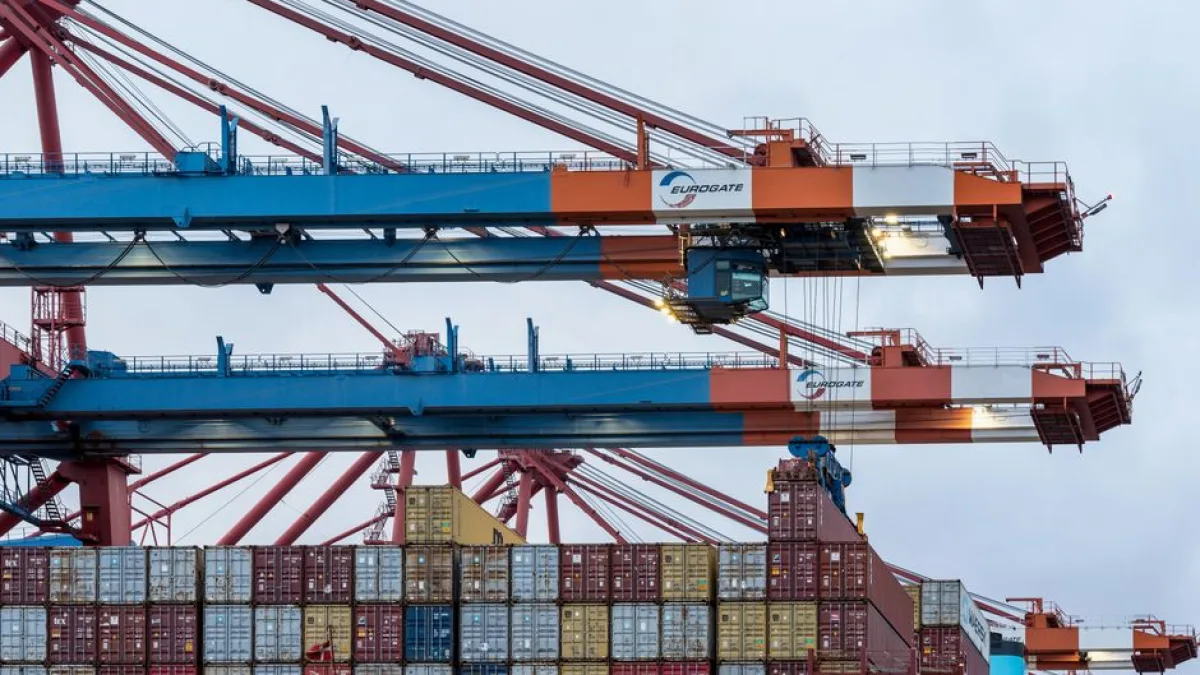
Total shipment visibility is no longer a luxury but a fundamental client expectation. By integrating GPS and satellite tracking directly into your dashboard, you provide clients with the transparency they demand regarding their cargo status at every transit point.
- End-to-end tracking: Integrated mapping tools display the exact location of cargo across sea, air, and land routes, providing a comprehensive view of the entire global supply chain.
- Proactive anomaly alerts: Smart systems monitor for potential delays due to weather or port congestion, notifying your team automatically so they can implement contingency plans before issues escalate.
- Customer tracking portals: Providing clients with a branded portal to view their cargo movement increases trust and reduces the high volume of inbound inquiries reaching your desk.
- Milestone status reporting: Automated triggers update shipment stages as cargo passes through check-points, giving your clients a clear understanding of the logistics journey without constant phone calls.
True visibility builds lasting partnerships in the freight industry. When clients can monitor their own cargo via integrated tools, the level of trust in your agency grows significantly. This transparent approach reduces anxiety for shippers and allows your team to manage by exception, only intervening when significant disruptions occur, which effectively maximizes your overall human resource utility across your entire business.
Scalable Infrastructure Growth

Scalability requires a technological foundation that can grow alongside your cargo volume. Investing in cloud-native platforms ensures that your business can handle seasonal peaks and rapid expansion without experiencing performance degradation or needing constant hardware upgrades for the team.
- On-demand resource scaling: Cloud-based architecture adjusts your processing power and storage capacity in real-time to match your current workload requirements, ensuring consistent performance during peak shipping seasons.
- Global access security: Secure cloud environments allow your staff to work from any location globally while maintaining strict compliance with international data privacy and security industry standards.
- Modular system upgrades: Adopting a modular approach allows your company to add new features or integrations as needed, ensuring that you only pay for the tools you utilize.
- Future-proofed technology stack: Continuous updates to the software ensure your business always utilizes the latest industry-standard protocols, keeping you well ahead of changing global logistics compliance mandates.
A scalable infrastructure is essential for forwarders aiming to expand into new markets. By moving away from rigid, local systems, you gain the flexibility to pivot your business model based on market demands. This agility is what separates industry leaders from those struggling to keep up with the fast-moving logistics landscape, ensuring long-term competitiveness and operational success in a volatile global economy.
Conclusion

Successful integration of freight forwarding technology is the ultimate key to sustainable growth. By prioritizing automated workflows, total visibility, and scalable infrastructure, your agency can overcome modern logistical challenges. Now is the ideal time to evaluate your current stack and begin the transition toward a fully connected digital ecosystem. Start optimizing your operations today with MakeCargo to ensure you remain an industry leader.