Optimizing Freight Forwarding Through Strategic Tech Integration
Tuesday, September 29 2026

The freight forwarding industry is currently undergoing a massive digital transformation driven by the need for speed and precision. As global supply chains grow more complex, professionals must adopt integrated software platforms to maintain a competitive edge. Relying on fragmented, manual processes is no longer sustainable in a market that demands real-time data visibility. By leveraging cloud-based technology and seamless system integrations, freight forwarders can eliminate operational bottlenecks, reduce administrative overhead, and provide superior service levels to their clients. Embracing this technological evolution is the most effective way to future-proof your logistics business against volatility and meet modern customer expectations for transparency.
Centralizing Data Workflows
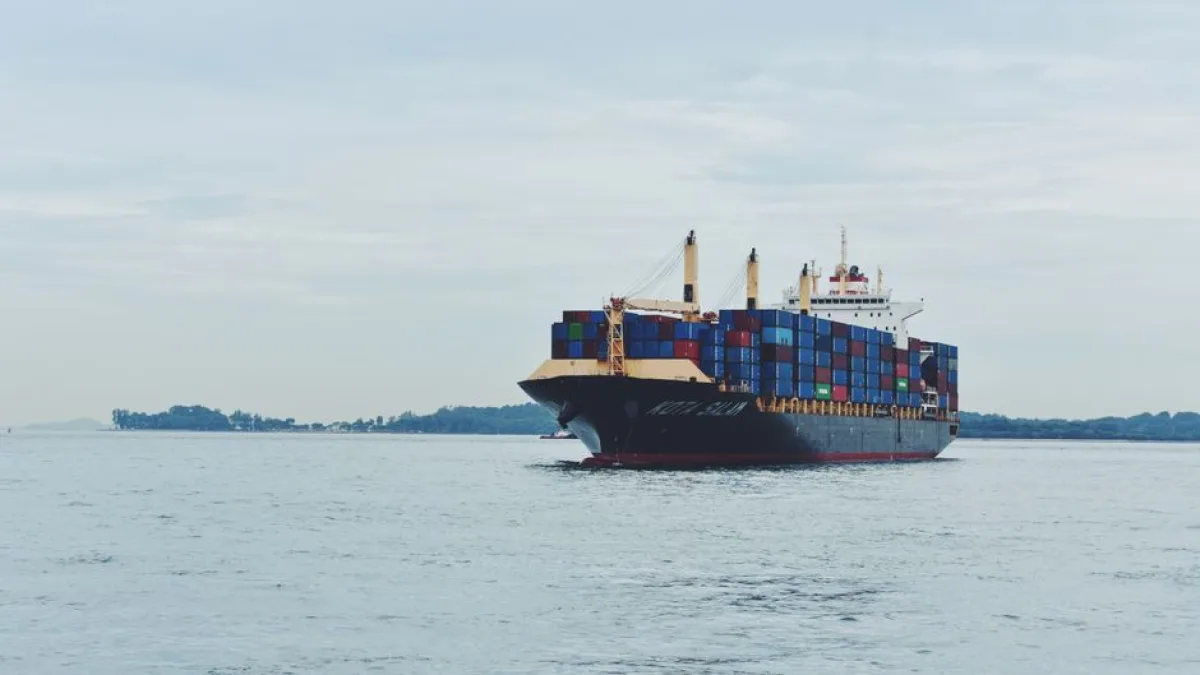
A centralized dashboard acts as the digital heart of your freight operations, connecting disparate departments and external stakeholders. By consolidating information into a single interface, teams can bypass the time-consuming process of searching through multiple legacy systems for critical shipment updates.
- Automated Data Syncing: Real-time synchronization between your software and carrier portals ensures that all shipment information remains current, accurate, and accessible to every team member across global offices.
- Reduced Data Entry: Implementing intelligent automation tools removes the need for manual typing, which significantly decreases the frequency of human errors and speeds up overall processing times.
- Unified Communication Hubs: Centralized platforms allow staff to share documents and updates instantly, creating a transparent digital paper trail that keeps all parties aligned throughout the shipping lifecycle.
- Historical Data Analysis: Maintaining a structured database allows businesses to review past performance trends, helping managers make data-driven decisions that improve profitability and resource allocation over time.
Adopting a central hub strategy shifts your team focus from managing endless manual tasks to handling exceptions and building stronger client relationships. This transition reduces stress and improves internal accuracy significantly. When everyone sees the same information simultaneously, the risk of miscommunication evaporates, allowing your business to scale operations without the typical growing pains associated with manual data management in the freight industry.
API-Driven Carrier Connectivity
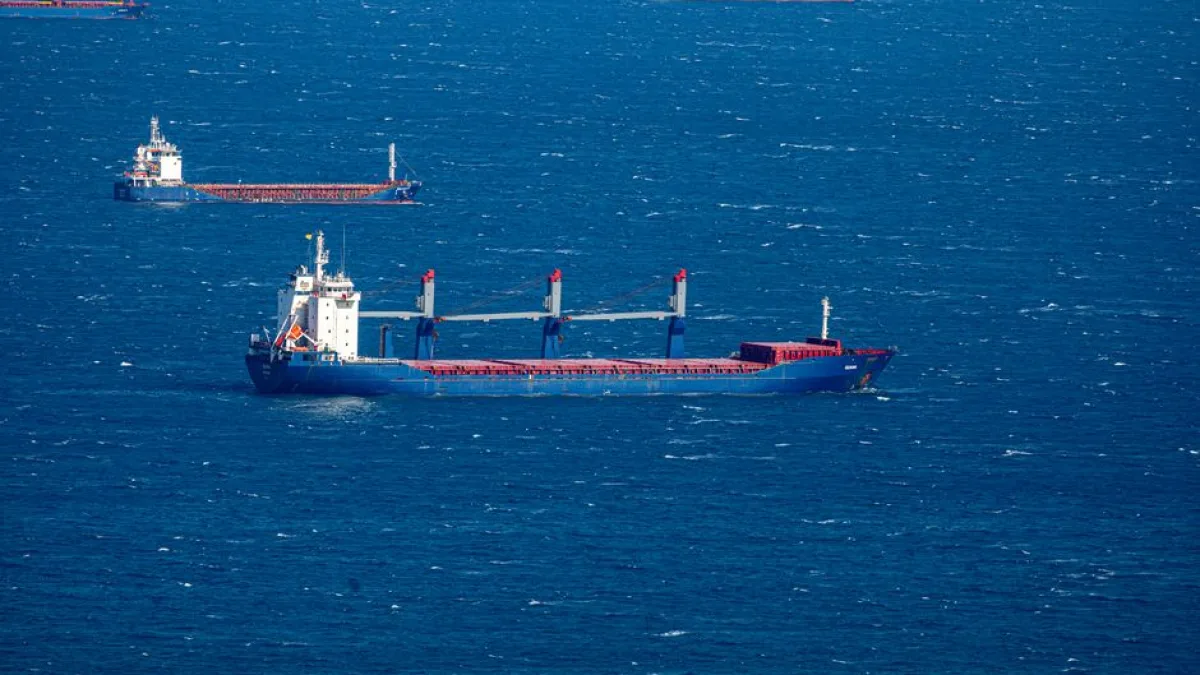
Direct API connections represent the gold standard for modern freight forwarding, enabling your internal platform to talk directly to carrier systems. This seamless exchange of information eliminates the reliance on outdated manual updates or sporadic email threads regarding vessel status.
- Instant Booking Requests: Integration allows your software to push booking requests to carriers instantly, bypassing manual entry and accelerating the entire export shipping process significantly for every client.
- Live Tracking Updates: Automated status triggers provide real-time updates directly into your software, ensuring that your customers always receive accurate tracking information without manual intervention from your team.
- Dynamic Schedule Retrieval: Systems connected via API can pull the most recent sailing schedules automatically, allowing your operations team to choose the most efficient routes for cargo.
- Automated Document Retrieval: Integration modules pull shipping documents like bills of lading automatically, streamlining the billing process and reducing the administrative workload for your busy logistics support staff.
Leveraging API capabilities effectively transforms how your business handles the day-to-day pressure of logistics. By removing the need for manual status checks, your staff gains hours of productive time every single day. This efficiency creates a superior customer experience, as clients receive proactive notifications rather than having to inquire about their cargo, ultimately fostering greater trust and long-term loyalty for your company.
Streamlining Customs Clearance Processes
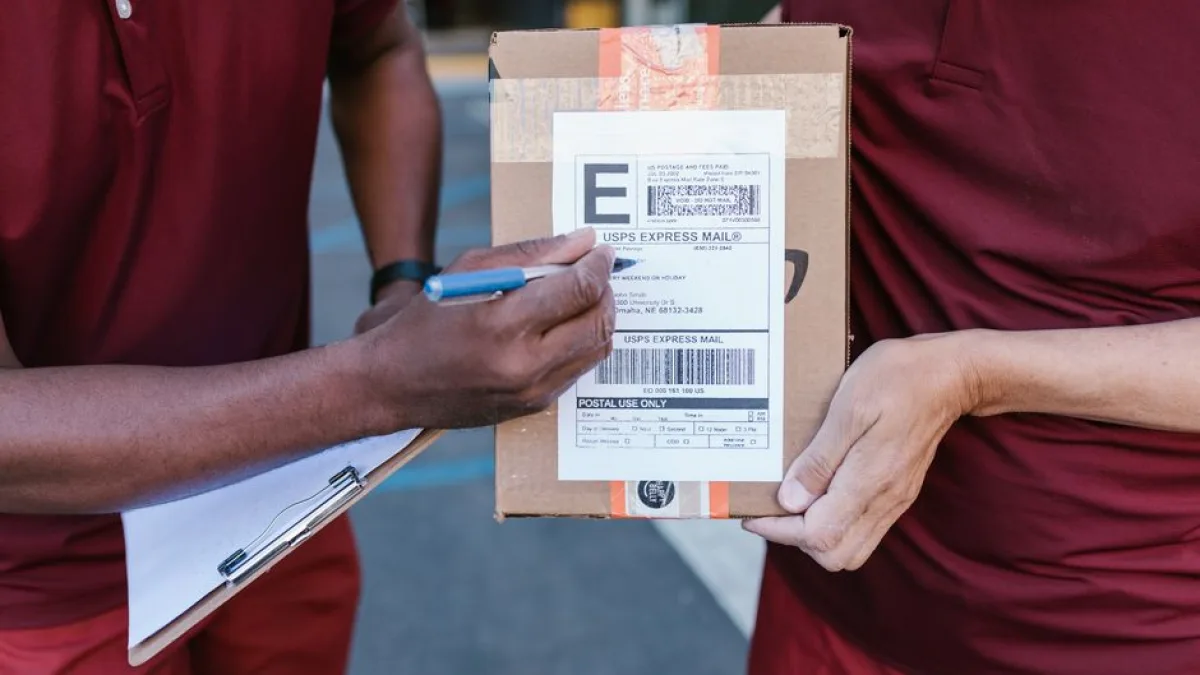
Navigating international customs regulations is a major pain point for forwarders, often leading to delays and compliance issues. Integrated technology simplifies this complex process by connecting your systems directly to customs authorities for faster, more accurate filing and documentation.
- Compliant Data Validation: Automated tools check your filing data against updated international trade regulations, catching errors before they reach customs officials and preventing costly shipment delays at borders.
- Digital Document Submission: Electronic filing features allow you to submit required paperwork directly through your software interface, removing the need for physical printing or courier services for documents.
- Simplified Tariff Classification: Built-in classification assistance tools help your team identify correct codes, ensuring that your filings remain compliant while optimizing the duty paid on client shipments.
- Status Monitoring Alerts: Automated triggers notify your team immediately if a filing encounters a hold or requires extra documentation, allowing for rapid resolution and minimal impact on transit.
Integrating customs tools directly into your forwarding platform creates a more robust and responsive supply chain. You minimize the risk of human error during documentation, which is the primary cause of border delays and extra storage fees. By digitizing the compliance lifecycle, your firm becomes more agile, enabling faster turnaround times that delight customers while ensuring you remain fully compliant with global trade laws.
Enhancing Financial Visibility

Financial transparency is essential for maintaining healthy cash flow in freight forwarding. Integrating your operational software with accounting tools creates a seamless link between cargo movement and billing, ensuring every shipment is accurately captured for invoicing without delay or revenue leakage.
- Automated Invoice Generation: Once a shipment is marked as delivered in the system, it automatically triggers an invoice, ensuring that you get paid faster by your clients.
- Cost Tracking Accuracy: Direct integrations with carrier billing systems ensure that your costs match the actual rates, preventing discrepancies that often lead to disputes or profit loss.
- Real-Time Margin Reports: Managers can view the profitability of individual shipments instantly, allowing for quick adjustments to pricing strategies in response to changing market freight rates daily.
- Integrated Ledger Entries: Automatic syncs with your accounting software reduce the need for manual bookkeeping reconciliations, saving your finance department significant time during the end-of-month closing process.
Comprehensive financial integration gives you complete control over your bottom line. By linking your operational activity to your financial records, you eliminate the guesswork and ensure that no revenue goes unbilled. This level of clarity empowers leadership to make informed decisions about growth and investment, knowing that the figures on their screen represent the absolute truth of their current business performance today.
Conclusion

Technology integration is the most vital step toward scaling a modern freight forwarding business effectively. By centralizing data, automating carrier communication, simplifying customs compliance, and ensuring financial accuracy, you position your firm as a leader in the digital logistics space. Now is the perfect time to review your tech stack, identify operational gaps, and start your journey toward a fully integrated, efficient, and profitable future.