Optimizing Freight Forwarding Through Strategic Tech Integration
Friday, October 23 2026
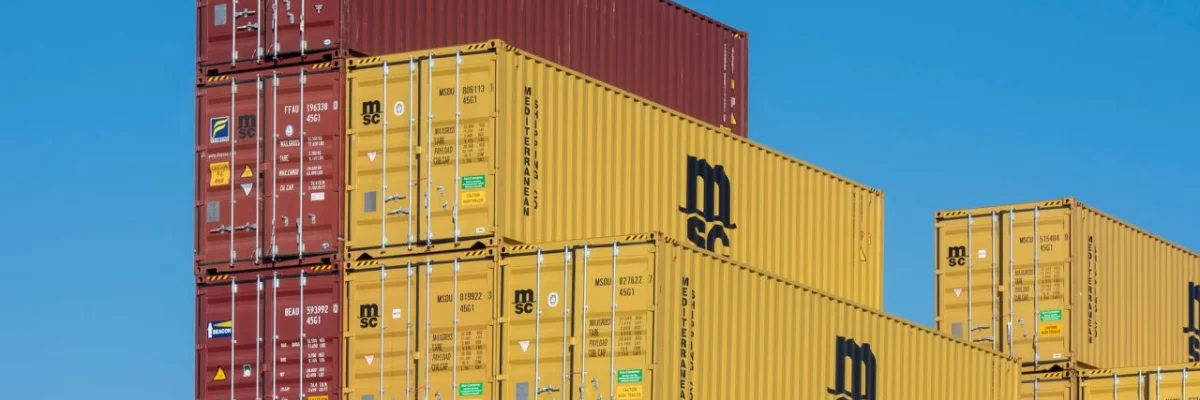
The global logistics landscape is undergoing a massive transformation driven by rapid digitization and the need for greater supply chain transparency. For freight forwarders, keeping pace requires moving beyond legacy systems toward integrated, cloud-based architectures that unify fragmented workflows. By consolidating data streams into a single source of truth, forwarders can eliminate manual bottlenecks, reduce costly human errors, and provide real-time visibility to clients who demand instant updates. Embracing technology is no longer just a competitive edge but a fundamental requirement for operational survival. Modern software platforms enable professionals to focus on high-value logistics strategy rather than administrative manual data entry tasks.
Centralizing Data Streams
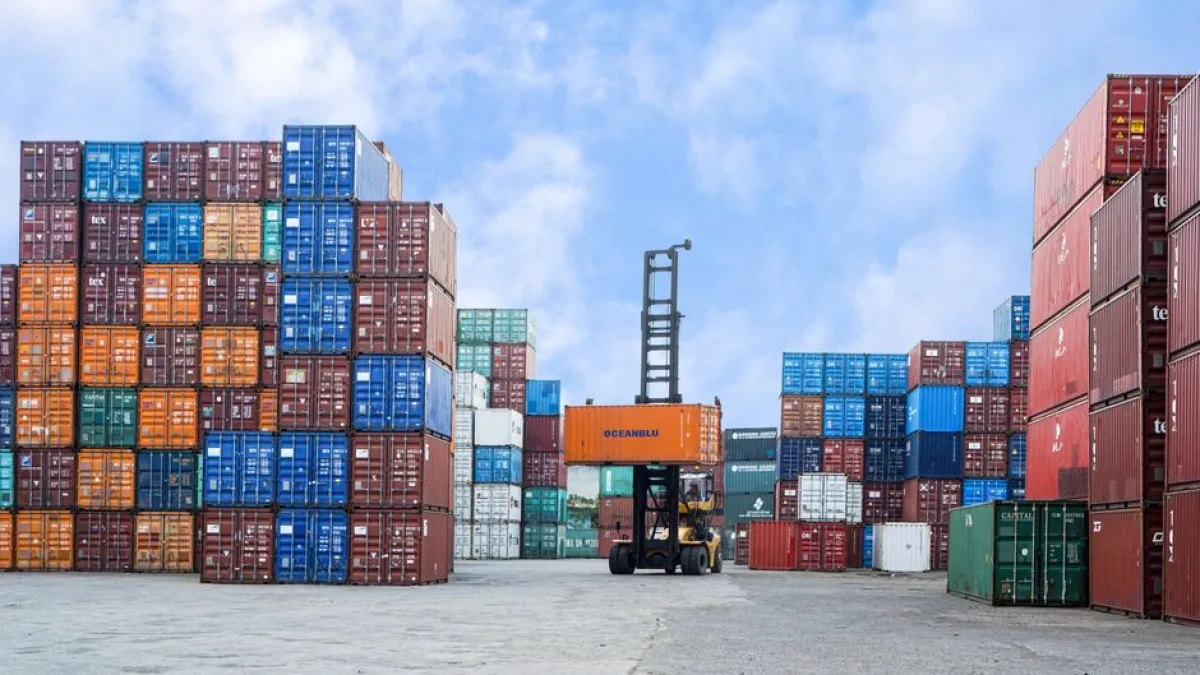
Modern logistics platforms consolidate disparate data points into one streamlined interface, allowing teams to monitor shipments with precision. By centralizing information, firms eliminate communication silos that often lead to delayed documentation and missed deadlines for critical global trade compliance tasks.
- Unified data access: Integrating all shipment data into a cloud dashboard allows team members to access critical files instantly from any location without needing multiple disparate software logins.
- Automated reporting tools: Generate comprehensive reports with a single click, providing management and clients with accurate performance metrics that highlight operational efficiencies and identify areas for cost reduction.
- Reduced manual entry: Digitizing document workflows significantly decreases the hours spent on repetitive data entry, allowing your staff to focus on solving complex logistical challenges for customers.
- Enhanced visibility levels: Real-time tracking capabilities ensure that every stakeholder in the supply chain remains informed, fostering trust and long-term loyalty through consistent service reliability metrics.
- Streamlined client portal: Provide your customers with a secure, branded portal where they can view shipment statuses and download invoices, reducing the volume of inbound status inquiries.
Transitioning to a centralized data model empowers freight forwarders to make decisions based on empirical evidence rather than guesswork. When your entire team views the same data set simultaneously, internal collaboration improves drastically. This unified approach not only saves valuable time but also fosters a culture of accountability, ensuring that every shipment is tracked and managed with the highest level of professional care possible.
Automating Documentation Flows

Digital transformation simplifies the complex paperwork involved in international shipping through automated generation and validation. Moving away from physical files accelerates the release of cargo, minimizes customs rejection rates, and ensures that all regulatory requirements are met with total accuracy.
- Template based generation: Automatically populate essential shipping documents like bills of lading and commercial invoices using pre-saved data, which ensures consistency and saves significant time per shipment.
- Seamless compliance checks: Integrated systems automatically flag potential compliance issues before they become expensive problems, helping you navigate complex international trade regulations with minimal risk involved.
- Cloud based storage: Securely archive all documents in the cloud for easy retrieval during audits, ensuring you remain compliant while reducing physical office space requirements and costs.
- Digital signature integration: Collect required signatures electronically to speed up the approval process, removing the need for scanning and printing physical documents during every shipping cycle.
- Error tracking alerts: Receive automatic notifications if a document contains missing or conflicting information, allowing you to resolve potential delays before they impact your scheduled vessel departure.
By automating the documentation lifecycle, forwarders can reclaim hours previously lost to administrative burdens. This shift allows your team to prioritize customer relationship management and business growth instead of managing piles of paperwork. When technology handles the verification processes, your staff experiences reduced burnout and higher job satisfaction. Ultimately, automated workflows create a scalable foundation that supports expansion without increasing your total overhead costs.
Enhancing Supply Chain Visibility
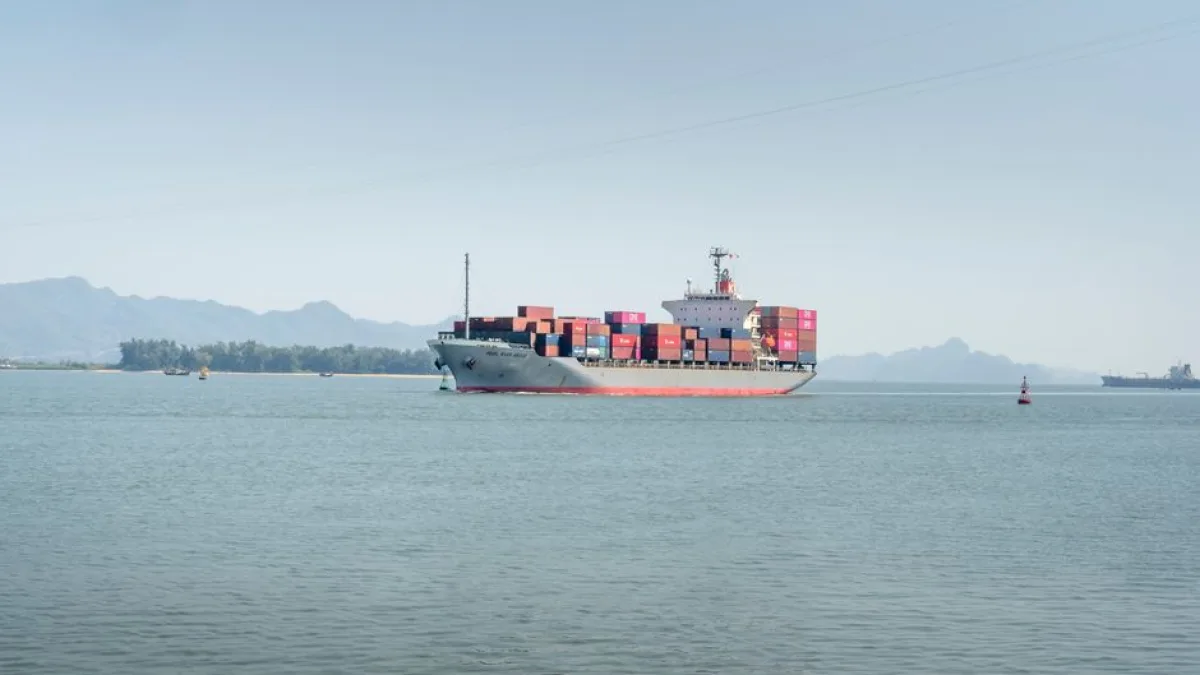
Visibility is the backbone of modern freight forwarding, as clients now expect instant updates on cargo location and status. Utilizing cloud integration allows you to provide transparent tracking that elevates your service above competitors who rely on delayed, manual updates.
- Real time tracking: Connect directly with carrier APIs to pull live location data, providing your customers with accurate updates regarding their cargo movement across global shipping lanes.
- Predictive delay alerts: Identify potential disruptions early by monitoring weather patterns or port congestion data, enabling you to proactively communicate with clients before problems become critical issues.
- Dynamic mapping tools: Utilize interactive maps to visualize shipment routes, giving your clients a clear perspective on how their goods move from origin to the final destination point.
- Automated status notifications: Send proactive alerts to stakeholders via email or SMS whenever a milestone is reached, keeping everyone informed without requiring manual status update phone calls.
- Customized client dashboards: Build tailored views that allow your clients to filter shipments by specific criteria, providing them with a highly personalized experience that improves customer satisfaction.
Investing in visibility tools changes the perception of your brand from a simple service provider to a strategic partner. Clients appreciate the honesty that comes with real-time updates, especially during volatile market conditions where delays are inevitable. By providing accurate information, you build strong rapport and minimize friction. High visibility is the most effective way to protect your reputation in a competitive global market.
Scaling Through Integration
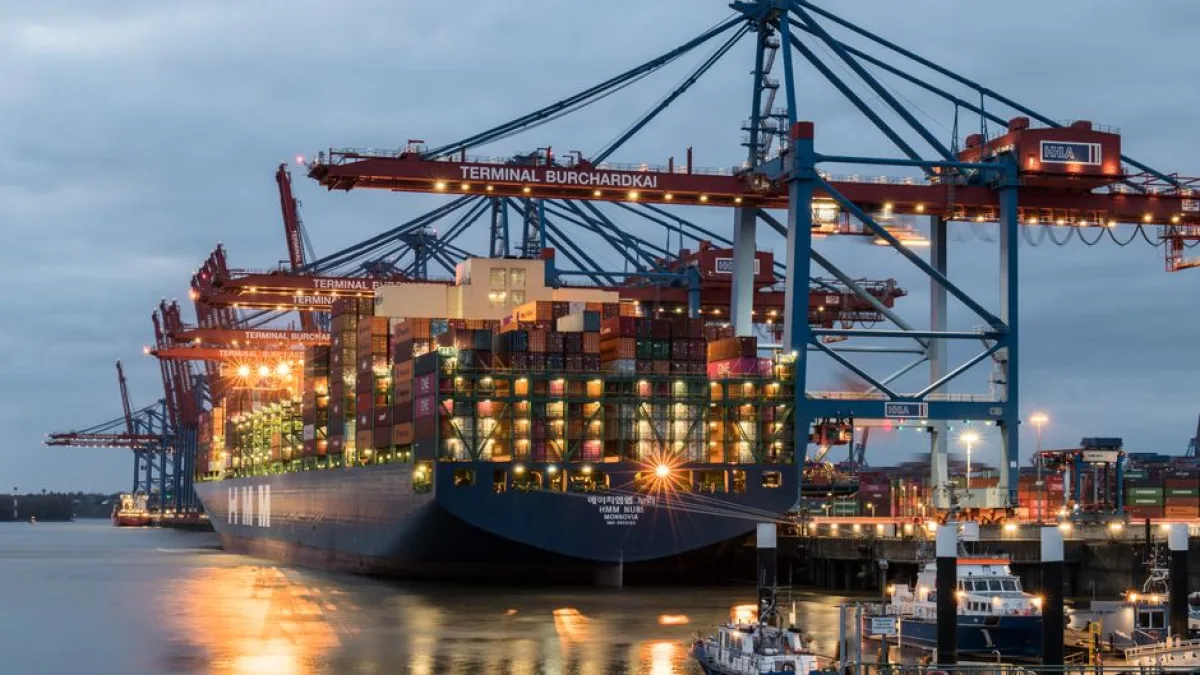
Scaling a freight forwarding business requires a robust technology ecosystem that grows alongside your volume. Strategic API integrations allow you to connect your core platform with accounting, CRM, and carrier systems, creating an interconnected web of efficiency that supports growth.
- API ecosystem growth: Connect your forwarding software with third-party tools to create a custom tech stack that perfectly matches your specific business needs and future growth goals.
- Unified accounting links: Synchronize your shipping software with accounting platforms to ensure that billing, invoicing, and profit tracking remain accurate and consistent across all departments of business.
- Scalable cloud infrastructure: Leverage the power of the cloud to add new users, branches, or features as your company expands, avoiding the need for expensive hardware or software.
- Data driven insights: Use integrated data to analyze business trends, identifying the most profitable shipping lanes and services so you can allocate your resources more effectively.
- Third party connectivity: Integrate with warehouse management or last-mile delivery partners to offer a truly end-to-end service, differentiating your offerings from smaller, non-integrated forwarders in the market.
Integration is the secret to scaling operations without doubling your administrative staff. As your volume increases, an integrated system handles the heavy lifting, allowing your business to remain agile. Choosing a flexible platform ensures that you are never trapped by rigid software limitations. As global trade evolves, your ability to integrate new technologies will define your firm's longevity and success in this complex industry.
Conclusion

Leveraging cloud-based freight forwarding software creates the foundation for a resilient, modern business. By embracing automation, visibility, and deep integration, forwarders can move past legacy limitations to focus on scaling and customer service. Start your digital transformation today to ensure long-term stability in an evolving market. Integrating the right technology stack is the smartest investment you can make for your professional logistics company.