Optimizing Freight Forwarding Through Strategic Tech Integration
Monday, October 26 2026
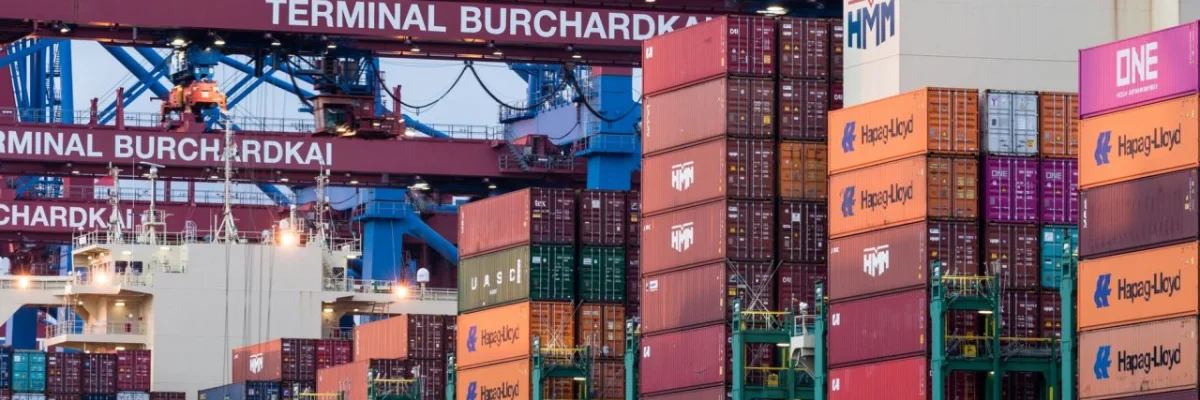
The modern logistics landscape demands unprecedented levels of connectivity and data transparency to maintain a competitive advantage. As global supply chains grow increasingly complex, freight forwarders are turning to cloud-based platforms to bridge the gap between fragmented legacy systems and the need for real-time visibility. By centralizing operations, companies can eliminate manual bottlenecks, reduce costly human errors, and provide superior client experiences. Leveraging advanced software integrations allows logistics providers to focus on strategic growth rather than administrative overhead. This transition is no longer optional for firms aiming to scale efficiently within a fast-moving, digitally-driven international freight marketplace.
Unified Data Architecture

Establishing a unified data architecture ensures that information flows seamlessly across all departments without manual entry. By connecting various software tools into one central repository, forwarders gain a single source of truth that simplifies complex multi-modal shipping operations across global borders.
- Seamless API Connectivity: Modern freight platforms utilize robust API connections to pull data from external carriers and customs authorities directly into your central management dashboard for instant analysis.
- Centralized Documentation Storage: Storing all shipping documents, invoices, and compliance paperwork in one secure cloud location prevents file duplication and ensures team members always access the current version.
- Real-Time Data Syncing: Automated synchronization between your TMS and accounting software eliminates the need for manual record keeping while ensuring financial data remains accurate at all times.
- Enhanced Interoperability Standards: Adopting universal data standards allows your software to communicate effectively with diverse partner systems, reducing technical debt and improving the speed of overall freight execution.
Consolidating your operational data removes the silo effect that plagues many traditional logistics businesses today. When every department views the same information in real time, collaboration improves significantly and decision making becomes more agile. This holistic approach to technology infrastructure provides the foundation for long-term scalability, allowing your firm to handle higher volumes without increasing headcount or sacrificing the quality of your client interactions.
Automated Workflow Efficiency

Automation is the engine that drives productivity in the digital era of logistics. By configuring software to handle repetitive tasks like status updates and rate requests, teams can dedicate more energy to resolving complex shipping exceptions and building partner relationships.
- Automated Status Notifications: Proactive tracking systems send automatic updates to customers as their cargo moves through key milestones, significantly reducing the volume of inbound status inquiry calls.
- Streamlined Rate Management: Integrated engines compare carrier pricing in seconds, allowing agents to select the most cost-effective and efficient shipping routes with minimal manual calculation efforts required.
- Dynamic Task Scheduling: Intelligent software modules assign pending shipments to the most appropriate personnel based on their current workload capacity and specific technical expertise for better results.
- Compliance Check Automation: Systematic screening processes scan every shipment against international sanctions and restricted party lists to ensure total regulatory compliance without manual intervention by staff members.
Implementing automation across your primary workflows creates a more resilient and responsive logistics operation. By shifting from manual processing to automated triggers, you mitigate the risk of human error that often leads to delays or financial penalties. As your business scales, these automated processes ensure that service levels remain consistently high while your staff handles higher volumes with much less daily stress.
Carrier Portal Integration
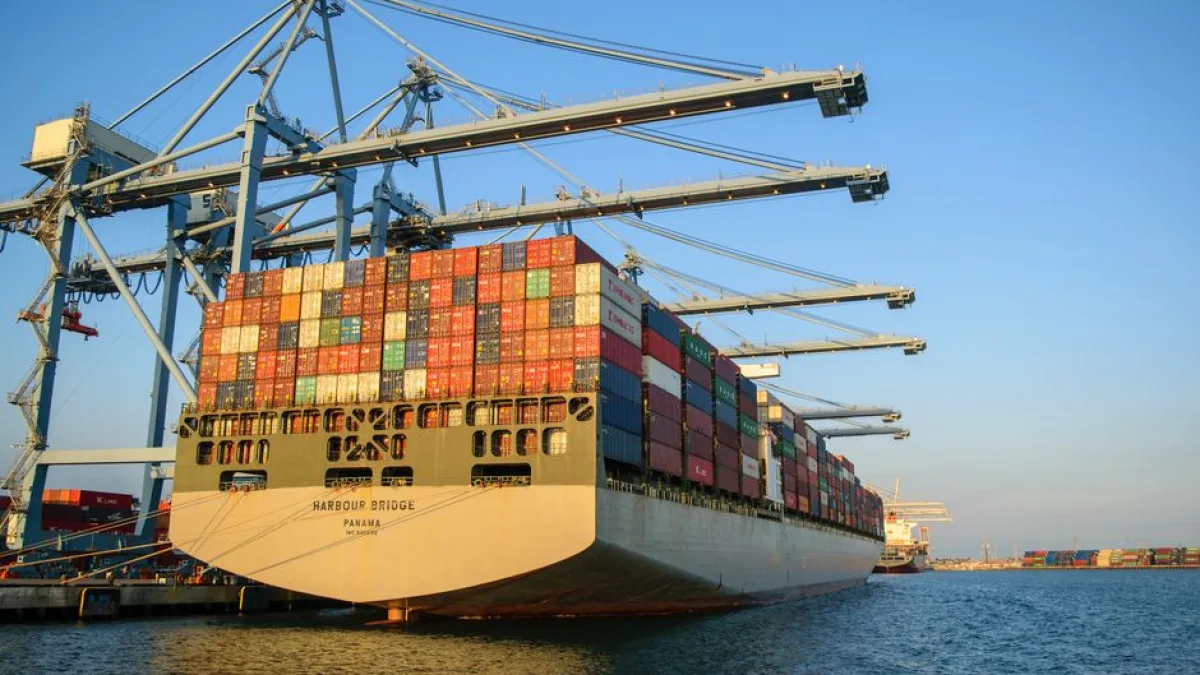
Integrating directly with carrier portals creates a direct communication bridge that eliminates the need for portal hopping. This connectivity transforms the way forwarders manage bookings and tracking, providing a unified dashboard that captures carrier data directly into internal workflows.
- Direct Booking Capabilities: Users can generate and submit bookings to major ocean and air carriers directly from the platform without logging into individual external airline or vessel websites.
- Instant Visibility Access: Deep links with carrier systems pull granular tracking details into your dashboard, providing comprehensive visibility from initial pickup to the final point of delivery.
- Digital Invoice Reconciliation: Carrier invoices are automatically matched against original shipment bookings to ensure that billing discrepancies are flagged immediately, protecting your profit margins from errors.
- Equipment Availability Tracking: Real-time monitoring of container and equipment status at major ports allows teams to plan for potential delays before they impact your scheduled delivery dates.
By bringing the carrier experience directly into your own software, you simplify the daily tasks of your logistics coordinators significantly. The elimination of repetitive login procedures saves valuable time each hour, allowing your team to focus on proactive problem solving rather than administrative data entry. This integration level creates a professional environment where information flows smoothly, ensuring that your clients receive timely and accurate updates.
Advanced Analytics Reporting

Transforming raw operational data into actionable business intelligence is essential for long-term growth. Advanced analytics tools allow firms to identify hidden trends, monitor team performance, and optimize financial outcomes through detailed reports generated directly from existing shipment activities.
- Customizable Performance Metrics: Build tailored dashboards that display key performance indicators relevant to your specific business model, including average transit times and departmental processing costs per shipment.
- Profitability Trend Analysis: Identify which trade lanes or service types generate the highest margins, enabling your management team to focus sales efforts on the most profitable segments.
- Predictive Capacity Planning: Utilize historical shipment data to forecast seasonal volume changes, ensuring your team has sufficient resource allocation to handle peak periods without any service disruption.
- Vendor Performance Reviews: Detailed reports on carrier transit reliability and billing accuracy provide the empirical data needed to negotiate better service terms during your annual renewals.
Strategic data usage shifts your firm from a reactive stance to a proactive market leader. When leadership makes decisions based on empirical evidence rather than intuition, the risk of failure decreases significantly. By leveraging these reporting tools, you ensure that every part of your freight forwarding operation is continuously measured and improved, keeping your business lean, profitable, and ready for future global challenges.
Conclusion
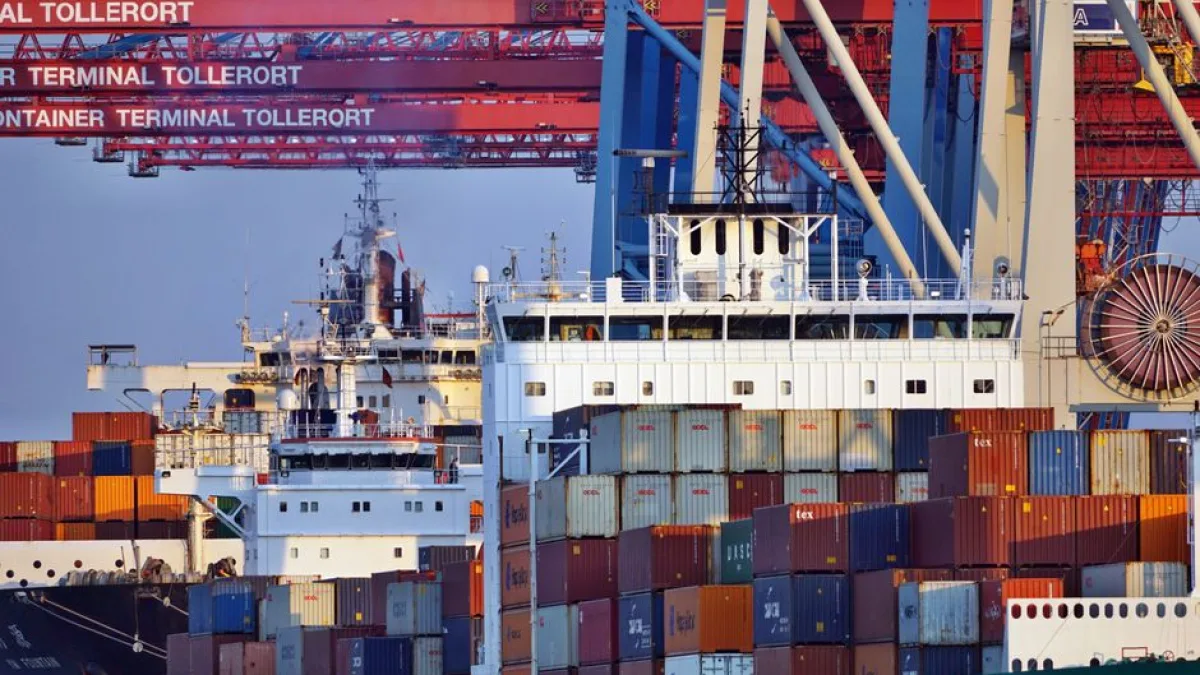
Embracing technology integrations is the most effective way to modernize freight operations for future success. By adopting cloud-based solutions that automate workflows, unify data, and provide deep analytics, forwarding businesses can maximize their operational efficiency. Making these strategic investments today ensures that your team remains agile and competitive. Start optimizing your digital infrastructure now to secure a stronger position in the logistics industry.