Optimizing Freight Forwarding Through Strategic Tech Integration
Thursday, October 29 2026
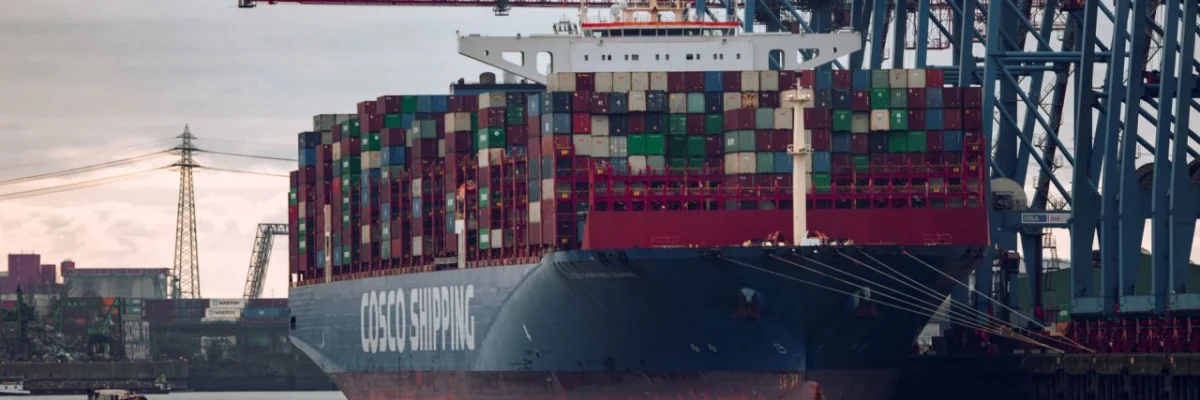
The modern logistics landscape is undergoing a rapid digital transformation where legacy processes no longer suffice for competitive operations. Forwarders currently navigate complex global supply chains that demand real-time visibility, automated documentation, and seamless communication across disparate systems. By leveraging cloud-based platforms like MakeCargo, logistics professionals can bridge the gap between fragmented workflows and centralized data management. Embracing technology is no longer a luxury but a fundamental requirement for those aiming to enhance operational efficiency, reduce manual errors, and deliver superior customer service in an increasingly volatile global market. Integrating the right digital tools empowers teams to focus on high-value strategy rather than repetitive administrative tasks.
Unified Data Ecosystems

A unified ecosystem connects your disparate operational silos into a single, cohesive source of truth. By integrating your freight software with internal databases and external platforms, you eliminate data redundancy and ensure that all stakeholders access accurate, real-time shipment information throughout the lifecycle.
- Automated Data Synchronization: Real-time updates across platforms ensure that booking details and status changes reflect instantly in your system, reducing the manual effort required for redundant data entry tasks.
- Centralized Document Storage: Maintain all shipping documents within a secure cloud environment to ensure that your team can retrieve compliance files and invoices from any global location.
- Reduced Human Error: Automated data flows between systems significantly lower the risk of manual input mistakes that often lead to costly shipping delays or incorrect customs declarations.
- Enhanced System Visibility: Gain a comprehensive overview of your logistics performance by consolidating data points into a single dashboard that informs better management and strategic decision making.
Adopting a centralized data strategy transforms how your organization approaches everyday logistical challenges. By dismantling information silos, you create a transparent environment where every team member operates with the same set of accurate data. This shift minimizes internal friction and allows your staff to respond quickly to sudden changes in cargo routing or scheduling, ultimately driving higher levels of productivity across your entire company.
Automated Workflow Efficiency

Automation removes the burden of repetitive manual processing by handling standard freight operations automatically. By deploying advanced software modules, you can streamline complex tasks ranging from document generation to automated status notifications, which frees your team to focus on resolving high-level shipping exceptions.
- Smart Document Generation: Automatically populate essential shipping documents like bills of lading and commercial invoices using information already stored in your cloud-based platform, saving hours of effort.
- Triggered Status Updates: Configure automated email or SMS notifications to update clients and partners whenever a shipment reaches a specific milestone, increasing your service transparency levels.
- Intelligent Rate Management: Simplify your quoting process by utilizing automated tools that calculate complex freight rates instantly, ensuring that your quotes remain both accurate and competitive.
- Streamlined Booking Requests: Enable digital booking submission portals that allow your customers to initiate shipment requests directly, reducing the volume of emails handled by your internal team.
Implementing these automated workflows changes the daily routine of your logistics professionals by removing mundane tasks from their schedules. When software manages the routine aspects of freight forwarding, your employees gain the bandwidth to focus on personalized client interactions and complex problem solving. This balance between automation and human expertise builds a resilient operational foundation that scales efficiently alongside your growing global business demands.
Enhanced Supply Chain Visibility

Achieving total supply chain visibility is critical for managing modern client expectations and mitigating logistical risks. By integrating tracking solutions with your core freight platform, you provide stakeholders with precise, actionable insights regarding the location and condition of their goods in transit.
- Real Time Tracking: Utilize API integrations to pull live tracking data from carriers directly into your software, offering clients an accurate view of their cargo location.
- Exception Management Alerts: Configure proactive system notifications that alert your team to potential delays or shipping issues before they become major problems for your valuable customers.
- Performance Analytics Dashboards: Access detailed reports regarding carrier performance, transit times, and service reliability to make data driven choices when selecting partners for future shipments.
- Customer Self-Service Portals: Provide your clients with a secure portal where they can view shipment statuses independently, reducing the number of manual inquiry calls your staff handles.
Visibility serves as the bedrock of trust in the freight forwarding industry. When clients can monitor their shipments and receive proactive updates, their confidence in your service grows significantly. Investing in visibility tools ensures you maintain complete control over the logistics process, even when disruptions occur. This level of transparency distinguishes your firm in a crowded market while fostering long-term partnerships with loyal clients.
Cloud-Based Scalability

Cloud-based technology offers the flexibility needed to scale operations in response to fluctuating market conditions. Unlike traditional on-premise software, a cloud platform like MakeCargo adapts to your changing volume needs, ensuring your infrastructure remains both powerful and cost-effective throughout the year.
- Remote Team Access: Facilitate seamless collaboration across global offices by providing your team with secure, browser-based access to operational tools from any location with internet.
- Rapid Feature Deployment: Benefit from regular, automatic software updates that introduce the latest features and security improvements without requiring complex installations or downtime for your staff.
- Flexible Subscription Models: Align your software costs with your business growth by utilizing scalable plans that expand or shrink based on your current operational volume.
- Robust Data Security: Rely on enterprise grade cloud security protocols to protect sensitive customer information and cargo details from potential cyber threats and unauthorized system access.
Scalability ensures that your business is never limited by the tools you use. As your freight forwarding company grows, cloud technology provides the necessary support to handle increased volumes and more complex shipping requirements. By choosing a flexible, cloud-based solution, you position your organization to remain agile and competitive, no matter how the global trade landscape evolves in the coming years ahead.
Conclusion

Digital transformation remains the key to thriving in the competitive world of freight forwarding. By integrating unified data, automation, visibility, and cloud-based scalability, your firm can elevate its service standards and operational efficiency. MakeCargo provides the robust tools required to modernize your workflow and drive long-term growth. Start your digital journey today to ensure your logistics business remains at the industry forefront.