Optimizing Freight Forwarding Through Strategic Tech Integrations
Thursday, August 6 2026
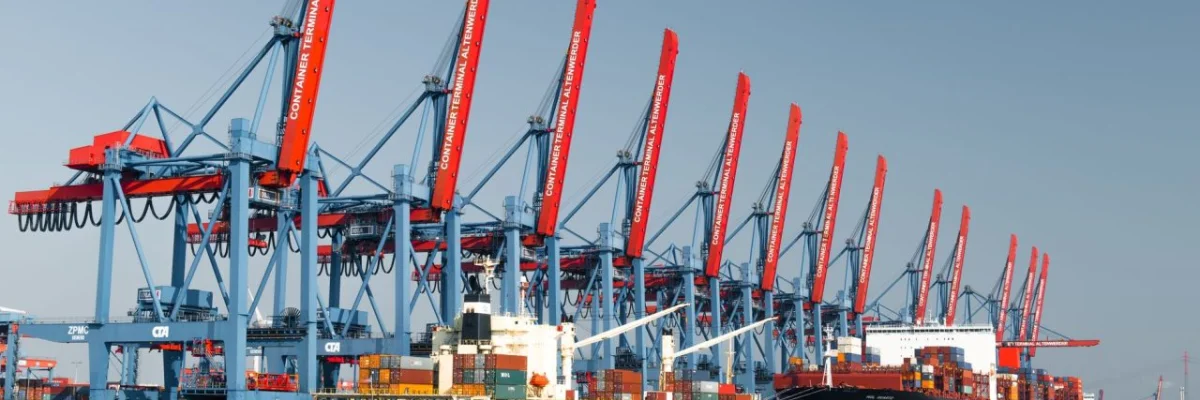
Modern freight forwarding is no longer defined by physical logistics alone but by the digital agility of your operations. As global supply chains become increasingly volatile, forwarders must move beyond legacy systems that create data silos and hinder collaboration. By embracing cloud-based platforms and seamless software integrations, businesses can automate manual workflows, reduce human error, and provide real-time visibility to clients. This transition is essential for those looking to scale efficiently in a competitive market, ensuring that every shipment is tracked, managed, and executed with maximum precision using the power of integrated digital infrastructure.
Centralized Data Ecosystems

A centralized platform serves as the heartbeat of your logistics operation, bringing together disparate data sources into one cohesive view. By unifying your communications and shipment records, you ensure that every team member works from the same live source of truth.
- Seamless Data Syncing: Integrated platforms automatically update shipment statuses across all modules, eliminating the need for manual data entry and ensuring that your team always sees the most accurate information.
- Reduced Information Silos: By connecting accounting, operations, and sales into a single interface, you break down departmental barriers that often slow down response times and complicate internal communication across teams.
- Enhanced Operational Clarity: Real-time dashboards provide deep insights into your cargo movement, allowing managers to monitor bottlenecks and identify potential issues before they escalate into costly delays for your global clients.
- Automated Documentation Flow: Digital integration ensures that invoices, bills of lading, and customs forms are generated and shared instantly, significantly reducing the administrative burden placed on your experienced freight forwarding staff.
Adopting a centralized ecosystem transforms how your office functions by removing tedious repetitive tasks from the daily schedule. When information flows effortlessly between modules, your staff can dedicate their focus to high-value strategic decision making rather than chasing spreadsheets. This shift not only accelerates your throughput capacity but also boosts overall team morale by allowing employees to provide superior service through high-tech logistics solutions.
Automated Customs Compliance

Automated compliance tools are essential for navigating the complex web of international trade regulations without incurring heavy fines or unexpected shipment holdups. Modern technology streamlines the filing process to ensure that your paperwork meets all local and international legal standards.
- Real-time Regulatory Updates: Systems integrated with government databases automatically pull the latest compliance requirements, ensuring that your filings stay current despite frequent changes in international trade laws and shipping regulations.
- Error Detection Algorithms: Intelligent software scans every document for inconsistencies or missing data fields before submission, preventing common clerical errors that often lead to rejected customs filings and transit delays.
- Electronic Filing Speed: Direct connectivity between your freight software and customs portals allows for near-instant submission, drastically reducing the time required to clear goods through port authorities around the globe.
- Audit Trail Integrity: Maintaining a comprehensive digital history of every compliance interaction provides peace of mind during audits and ensures full transparency regarding all shipment declarations made by your team.
By leveraging automation for your customs procedures, you effectively insulate your company from the risks of human error and regulatory non-compliance. These tools act as a constant safety net, verifying data integrity while accelerating the transit of goods across borders. With these digital guards in place, your team can handle larger volumes of international freight with consistent speed and total legal confidence.
Real-time Shipment Visibility
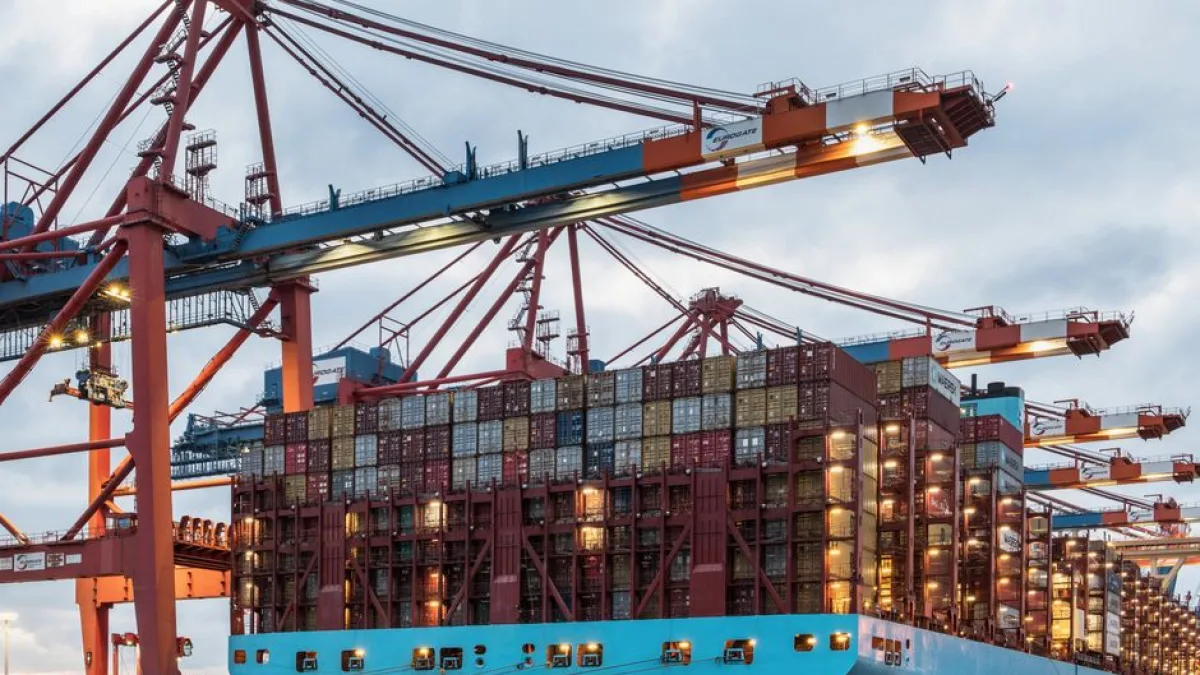
Visibility is the primary expectation of today's shippers who demand constant awareness of their cargo status. Providing a live tracking interface builds trust and sets your firm apart from competitors relying on outdated, slow, and manual update systems.
- Automated Status Alerts: Proactive notification triggers keep your clients informed about their shipment progress without requiring them to contact your office, significantly reducing the volume of routine status inquiries received.
- Live Transit Maps: Interactive tracking portals allow customers to visualize the exact location of their goods, offering transparency that strengthens professional relationships and improves long-term client retention rates for your firm.
- Exception Management Alerts: Instant notification systems flag delays or route changes immediately, allowing you to manage customer expectations before they become frustrated by unexpected events during the transit process today.
- Carrier Portal Integration: Connecting directly to major carrier APIs ensures that your tracking data is always based on actual carrier movements rather than periodic and outdated email-based update requests.
Providing exceptional visibility is a hallmark of a mature logistics operation that prioritizes the client experience above all else. When customers can access real-time data on demand, they feel empowered and informed, which drastically reduces the strain on your customer support teams. This level of digital transparency not only satisfies current demands but also provides a distinct competitive advantage in the global market.
Scalable Cloud Infrastructure

Cloud-based software enables your freight forwarding business to grow without the hardware constraints associated with traditional on-premise servers. This flexible approach allows you to deploy new features and scale your user base as your operational needs evolve and expand.
- Global Team Access: Cloud architecture permits your staff to access critical logistics software from any location, facilitating remote work setups and international collaboration across different time zones without performance lag.
- Predictable Cost Models: Subscription-based pricing allows for better financial planning, as you avoid the large upfront capital expenditure usually required for maintaining physical servers and proprietary on-premise IT infrastructure components.
- Instant Feature Deployment: Continuous cloud updates mean your team always benefits from the latest software improvements and security patches without having to manage complex manual installation processes or server upgrades.
- Robust Data Security: Tiered cloud security measures provide enterprise-level protection for sensitive customer data, ensuring that your logistics information remains safe from cyber threats and unauthorized access at all times.
Choosing a scalable cloud platform is a strategic decision that future-proofs your business against rapid industry shifts and changing technological requirements. By removing technical barriers, you allow your team to focus on freight movement and business growth rather than IT maintenance. A cloud-native strategy ensures that your firm remains agile, secure, and ready to meet the logistical challenges of tomorrow with confidence.
Conclusion
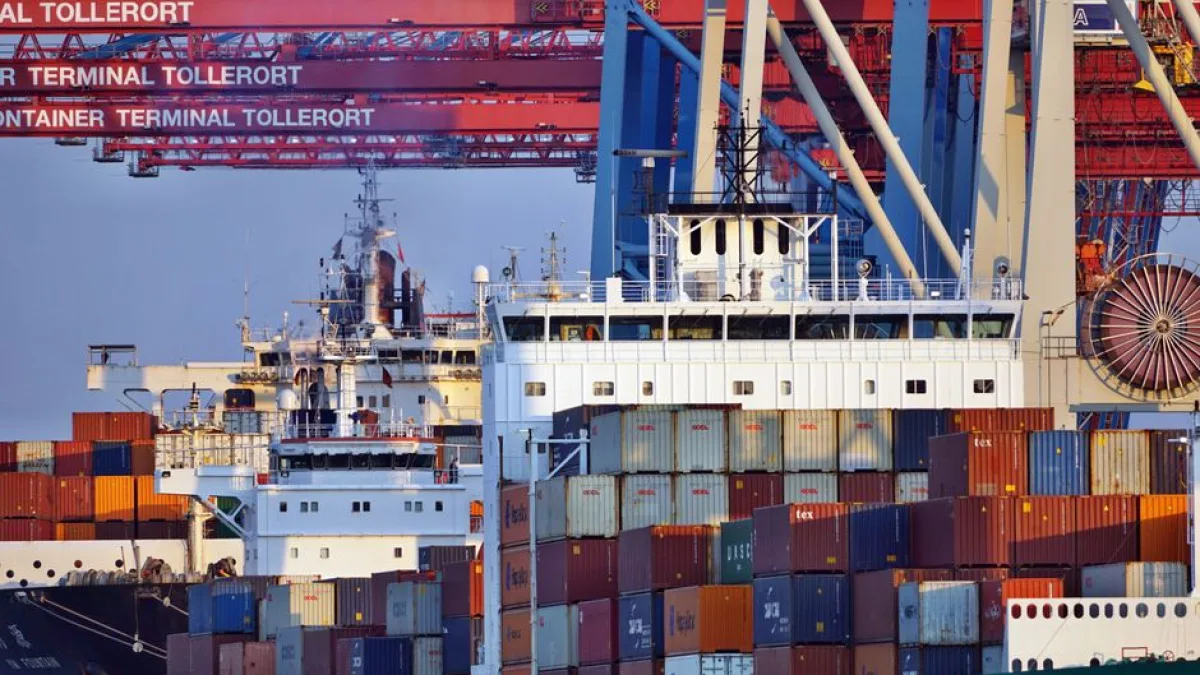
Integrating technology into your freight forwarding operations is the definitive way to improve efficiency, accuracy, and customer satisfaction in today's fast-paced global logistics industry. By utilizing centralized data, automated compliance, real-time visibility, and scalable cloud systems, your business remains resilient and competitive. Embrace these digital tools to streamline your workflows, empower your staff, and provide the seamless experience that modern shippers now expect.