Optimizing Freight Forwarding Through Strategic Tech Integrations
Thursday, August 6 2026
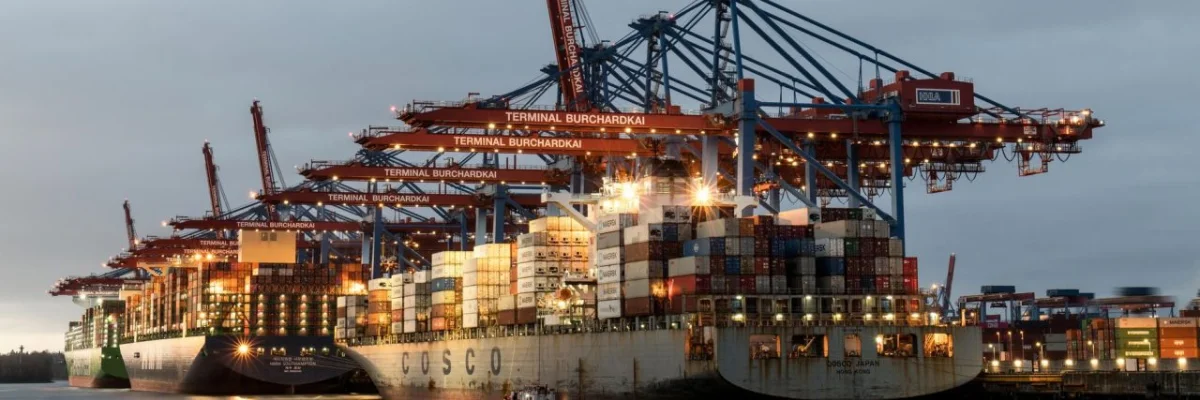
The global supply chain landscape is evolving at an unprecedented pace, placing immense pressure on freight forwarders to maintain agility and transparency. Manual processes and siloed data systems no longer suffice in a market that demands real-time visibility and rapid decision-making. By embracing cloud-based platforms and sophisticated software integrations, forwarders can unlock significant operational efficiencies. This shift is not merely about digitizing paperwork, but about creating a cohesive ecosystem where information flows seamlessly across every touchpoint of the shipping journey. Adopting these advanced technologies ensures that logistics providers remain competitive while delivering superior value to their global customers in an increasingly complex environment.
Unified Data Management Systems

Centralizing your data removes the friction caused by disparate software tools that fail to communicate. By creating a single source of truth, teams can access critical shipment details instantly, reducing time spent on administrative tasks and manual data entry errors.
- Automated Information Syncing: Real-time synchronization between your TMS and external carrier portals eliminates duplicate entries, ensuring that every team member views the exact same shipment status without constant manual updates.
- Centralized Documentation Hub: Consolidating all shipping documents into a cloud-based repository provides instant access to bills of lading and commercial invoices for all authorized stakeholders across your global offices.
- Enhanced Data Accuracy: Automated validation rules catch formatting errors before they impact customs declarations or port clearances, significantly reducing the likelihood of costly delays at border crossings and major terminals.
- Custom Reporting Tools: Built-in analytics engines transform raw shipment data into actionable insights, allowing managers to monitor key performance indicators and identify bottlenecks within their specific logistics workflows.
Transitioning to a unified platform empowers your staff to focus on high-value client interactions rather than tedious clerical work. When data flows freely between departments, the entire organization benefits from improved clarity and faster response times to customer inquiries. By removing the technical silos that once hindered growth, forwarders can scale their operations effectively while maintaining the high quality of service that clients expect today.
Real-Time Tracking and Visibility
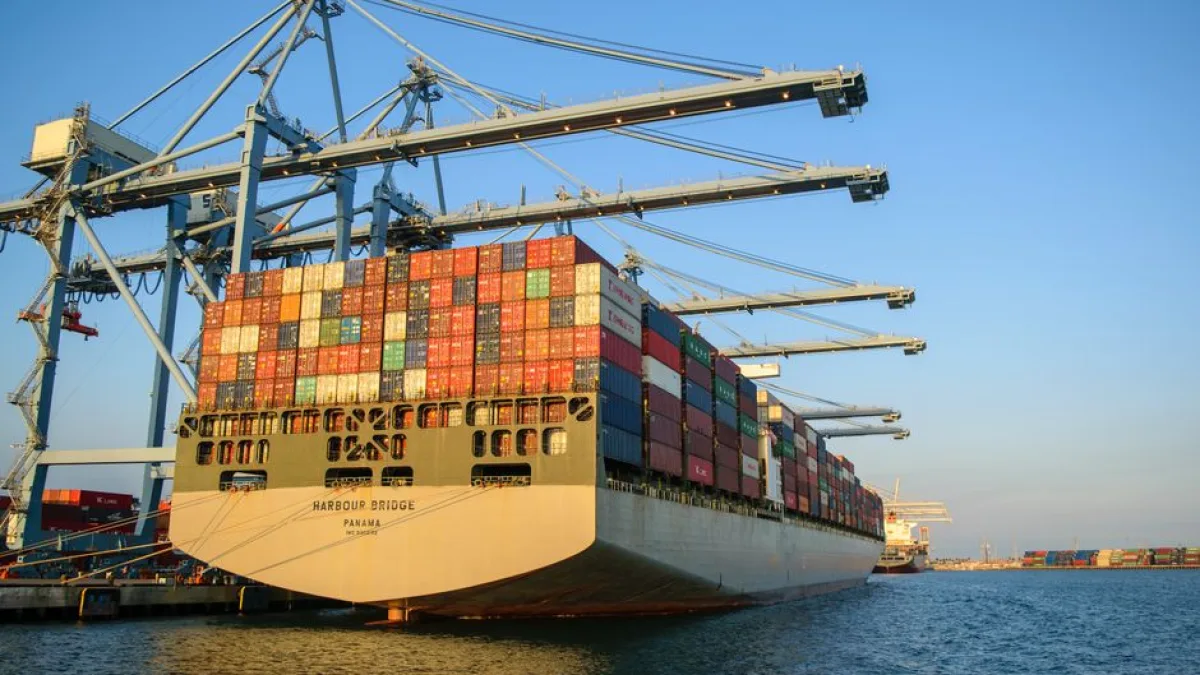
Modern clients expect immediate status updates for their freight throughout the transit lifecycle. Integrating direct APIs into your software allows you to pull tracking data from ocean carriers and trucking fleets directly into your platform without manual intervention.
- Live API Connections: Direct integrations with major carriers enable your system to receive instant status updates, providing your customers with accurate information on their shipment locations at all times.
- Proactive Exception Management: Automated alerts notify your operations team the moment a shipment deviates from its planned schedule, allowing for rapid intervention before minor issues evolve into major service failures.
- Customer Visibility Portals: Providing clients with secure login access to your dashboard promotes transparency, builds long-term trust, and reduces the volume of repetitive status requests sent to your support team.
- Carrier Performance Analysis: Tracking software automatically logs carrier milestone completion times, enabling your company to evaluate vendor reliability and make data-driven decisions during future contract negotiations with various global shipping partners.
Visible operations create a powerful competitive advantage in a volatile market where uncertainty often disrupts standard delivery plans. By giving your clients the tools to track their cargo independently, you reduce your administrative burden while simultaneously increasing overall client satisfaction scores. This level of modern visibility is now a standard requirement for maintaining strong relationships with high-volume importers and exporters worldwide.
Automated Financial Workflows

Financial reconciliation often represents the most time-consuming aspect of freight forwarding operations. Integrating your logistics software with accounting systems creates a streamlined process that connects booking details directly to invoicing, ensuring that every shipment is accounted for accurately.
- Seamless Invoice Generation: Automated systems generate accurate invoices based on established shipment data, reducing the risk of billing discrepancies that often lead to delayed payments and awkward client communications.
- Dynamic Currency Conversion: Integrated modules handle multi-currency transactions in real-time, helping your finance team maintain accurate records even when dealing with complex international shipments and fluctuating global exchange rates.
- Expedited Payment Processing: Connecting payment gateways directly to your customer portal encourages faster settlement of outstanding balances by providing clients with convenient, digital payment options for their various logistics services.
- Audit Trail Transparency: Maintaining a comprehensive digital audit trail for every financial transaction simplifies internal reviews and ensures full compliance with international trade regulations and local tax requirements.
Automating your financial processes reduces human error and significantly accelerates the revenue cycle for your business. When logistics and accounting data share a common language, the resulting clarity allows management to monitor profitability at the individual shipment level with ease. Building these robust financial integrations ensures that your back-office operations remain as efficient as your physical supply chain movements every day.
Scalable Cloud Infrastructure

Cloud infrastructure provides the flexibility required to grow your business without the need for significant upfront hardware investment. By utilizing scalable software, you ensure your technology stack can expand alongside your increasing volume of global freight shipments.
- Remote Access Capabilities: Cloud-based platforms allow your team to manage logistics operations from any location globally, ensuring continuous productivity even when staff are traveling or working from remote home offices.
- Automated Security Updates: Managed cloud providers handle critical software security patches and infrastructure maintenance, protecting your sensitive client data from evolving digital threats without requiring expensive internal IT teams.
- Effortless System Upgrades: Regular feature releases and software improvements are deployed automatically to your platform, ensuring that your organization always benefits from the latest industry technology and compliance updates.
- Modular Software Design: Adding new services or regional coverage becomes straightforward with modular software architectures that allow you to activate specific tools as your unique business requirements grow over time.
Choosing a scalable cloud foundation prepares your freight forwarding company for long-term success in a digital-first economy. As you expand into new markets and manage larger volumes of cargo, your software will remain a reliable partner rather than a limiting factor. Invest in adaptable technology today to ensure that your operational infrastructure supports your vision for a more efficient and profitable future.
Conclusion

Modern technology is the primary driver of operational excellence for forwarders navigating global logistics. By integrating data, visibility, finance, and scalable infrastructure, your firm can achieve unprecedented levels of productivity and client service. Embrace these digital tools to transform your business model and remain ahead of the curve. Schedule a demo with the MakeCargo team today to start building your future.