Optimizing Freight Forwarding Through Strategic Tech Integrations
Monday, August 17 2026
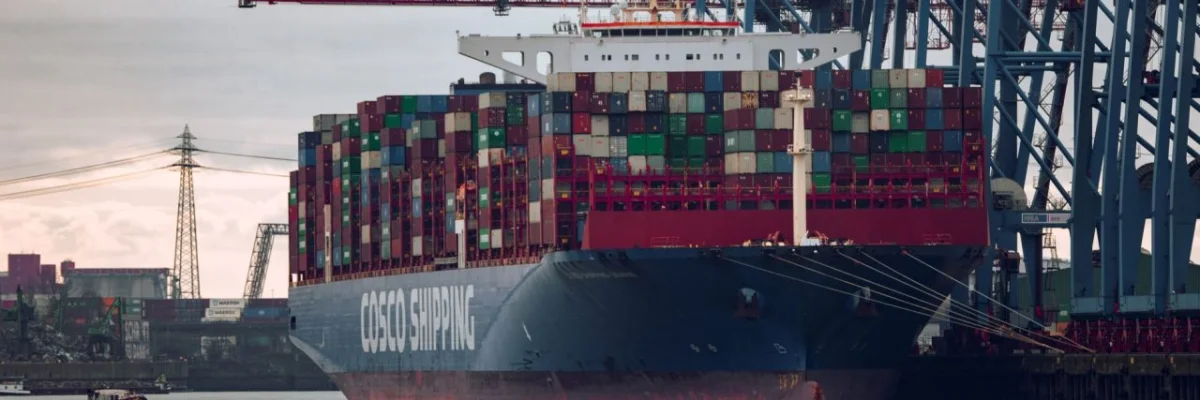
The global logistics landscape is undergoing a massive transformation driven by the urgent need for transparency and speed. Freight forwarders often struggle with fragmented legacy systems that impede operational efficiency and limit growth in a hyper-competitive market. By embracing modern cloud-based software, professionals can bridge these gaps through robust integrations that harmonize data flows across the entire supply chain. Adopting these advanced tools is no longer a luxury but a fundamental necessity for businesses aiming to reduce manual errors, accelerate client communication, and ultimately provide a seamless, digitized experience that meets the evolving demands of today's complex international trade environment.
Seamless Data Synchronization
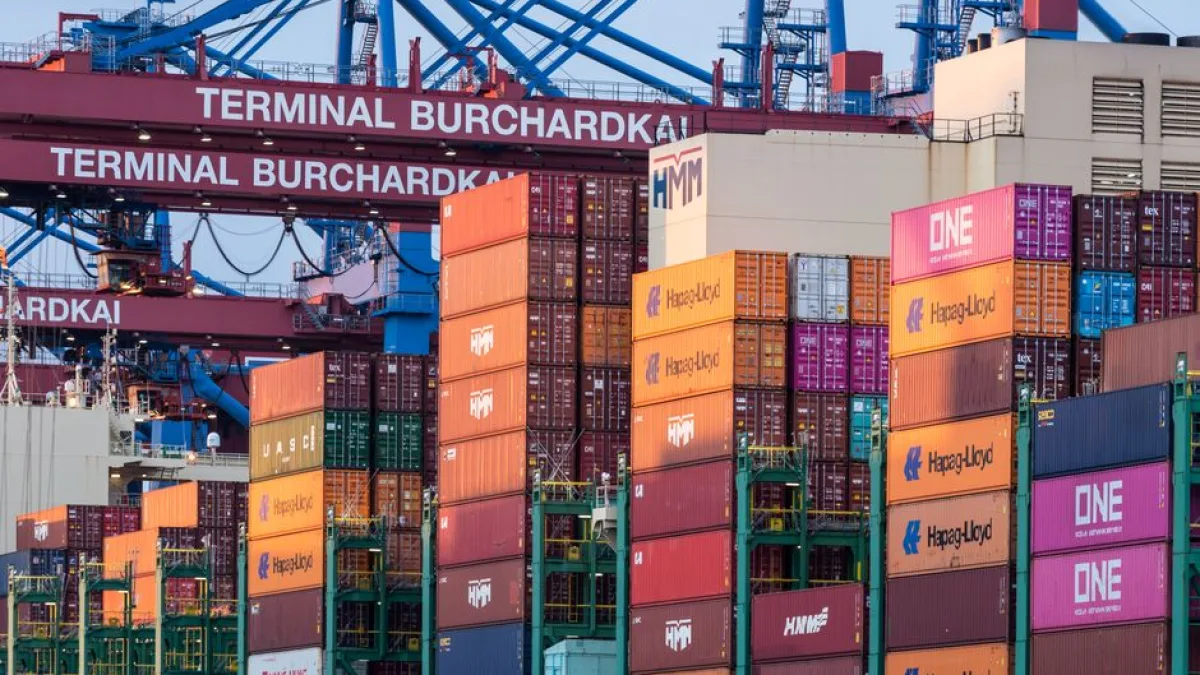
Integrating software platforms allows your internal tools to communicate effortlessly with external partners. When data moves without manual intervention, you eliminate the risks of human error and ensure that your teams always have access to the most accurate shipment information.
- Automated Data Mapping: Our software automatically translates incoming carrier data into your standardized internal format to ensure consistency across all active projects and shipping documents without requiring manual entry or validation.
- Real-time Sync Protocols: Advanced synchronization tools update your dashboard as soon as statuses change at the port, providing your staff with instantaneous visibility into every single movement of customer cargo.
- Reduced Manual Entry: Eliminating repetitive keyboard tasks allows your logistics coordinators to focus their energy on high-value client relations and complex problem-solving instead of updating basic digital shipping records.
- Unified Platform Access: Consolidating disparate data streams into one central hub simplifies the way your employees access information, drastically shortening the time required to respond to urgent client inquiries daily.
Achieving true data synchronization transforms how your business operates by removing silos that typically slow down productivity. As information travels freely between your freight management system and external carrier databases, your operations become more resilient and responsive. This integration layer serves as the backbone of a modern logistics strategy, allowing your company to scale effectively while maintaining strict data integrity across every shipment.
Enhanced Visibility and Tracking

Visibility is the key to maintaining client trust in an unpredictable shipping climate. Integrating tracking modules ensures that both your team and your customers receive reliable, live updates that reduce anxiety and prevent unnecessary phone calls to your office.
- Predictive Milestone Updates: Artificial intelligence modules monitor carrier milestones and alert your team to potential delays before they impact delivery timelines, allowing for proactive communication with your logistics customers.
- Carrier API Connections: Direct links to global shipping lines ensure your dashboard displays live tracking data directly from the source, eliminating the need to check dozens of individual websites.
- Client Portal Integration: Providing your shippers with access to a branded portal ensures they can track their freight status 24/7, reducing the administrative burden on your customer service team.
- Exception Management Alerts: Automated triggers notify your operations team immediately when a shipment falls behind schedule, enabling quick decision making to reroute or expedite cargo as needed today.
Proactive tracking capabilities change the nature of customer service from reactive firefighting to consultative management. By integrating sophisticated visibility tools into your workflow, you give your clients the peace of mind they demand from modern partners. This transparency builds long-term loyalty and sets your company apart from competitors who still rely on delayed email status reports and manual spreadsheet updates.
Financial Process Automation

Financial integrations connect your freight forwarding operations directly to your accounting software. This connection streamlines the transition from completed shipments to professional invoices, ensuring that your company maintains a healthy cash flow and remains profitable at all times.
- Automatic Invoice Generation: Once a shipment hits the delivered status, the system instantly triggers an invoice draft based on pre-set rates, significantly reducing the gap between service and billing.
- Currency Conversion Tools: Automated financial modules handle complex currency fluctuations by updating exchange rates daily, protecting your profit margins during international transactions involving multiple global regions and currencies.
- Streamlined Expense Tracking: Capturing and categorizing vendor costs in real-time allows for accurate profit margin analysis on every shipment processed through your digital freight platform with minimal effort.
- Digital Payment Gateways: Secure payment integrations allow your clients to settle invoices directly within your portal, speeding up the collection cycle and reducing late payment issues for your firm.
Automating your financial processes removes the friction typically associated with the billing cycle. By ensuring that your operational software speaks to your accounting tools, you minimize the risk of missed billable charges and improve your overall financial accuracy. This level of automation is essential for sustaining growth, as it allows your finance team to manage increased shipping volumes without needing extra staff.
Scalable Partner Ecosystems

Building a scalable partner ecosystem requires software that supports open integrations. A flexible platform enables you to easily add new carriers, customs brokers, or warehouse partners, ensuring your business stays agile as your network grows in size and complexity.
- Plug-and-Play Connectors: Pre-built integration templates for major carriers allow your business to onboard new logistics partners in hours rather than weeks, dramatically increasing your operational reach and capability.
- API Customization Options: Flexible software architecture allows your development team to build unique integrations for niche partners or specific client requirements, ensuring your platform grows alongside your business.
- Collaborative Document Sharing: Integrated cloud storage allows all authorized partners to view and edit shipping documentation simultaneously, which eliminates the version control issues common with traditional email attachments.
- Secure Data Governance: Centralized security settings ensure that your partners only access the specific data they need, protecting your commercial interests while maintaining an open and efficient collaborative workflow.
A scalable ecosystem empowers your business to take on new opportunities without the fear of hitting a technological ceiling. By choosing software that prioritizes integration, you ensure that your infrastructure can adapt to new industry trends and partner requirements. This flexibility acts as a long-term insurance policy for your freight forwarding business, keeping your services relevant in a rapidly changing global economy.
Conclusion
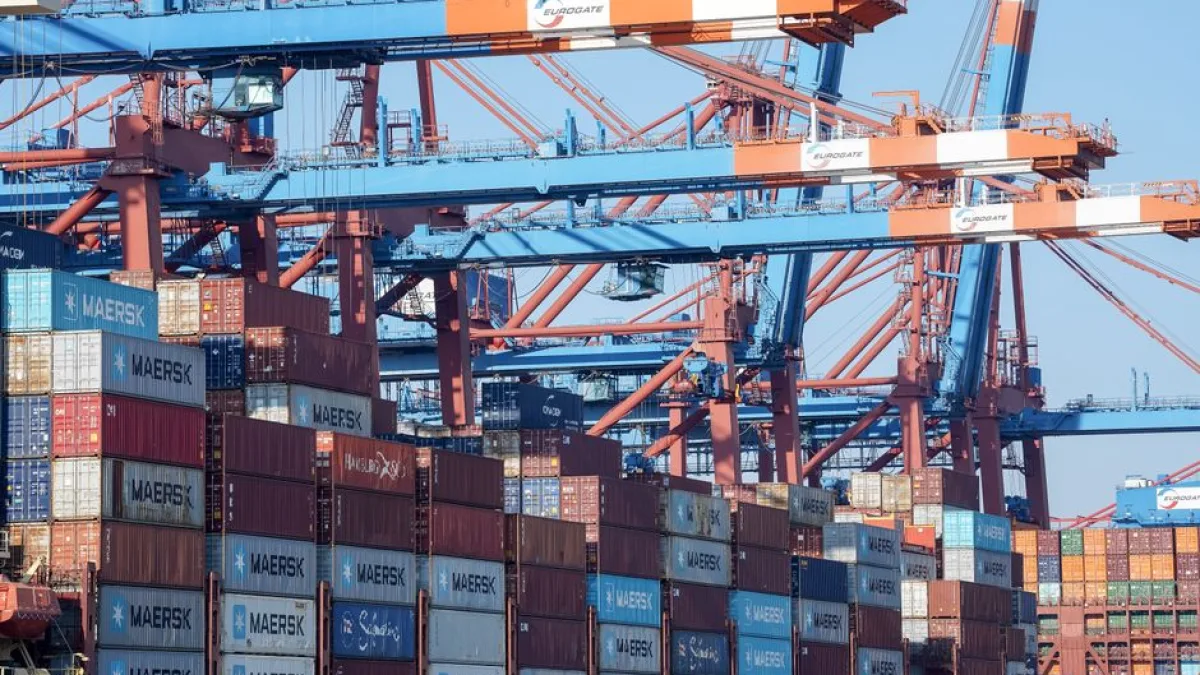
Modernizing your freight forwarding business is a continuous process that relies heavily on effective technology integrations. By focusing on data sync, visibility, automation, and scalability, you position your firm to lead in an increasingly complex market. Start by evaluating your current software limitations and exploring how cloud-based tools can bridge those gaps. Empower your team today by investing in a smarter digital logistics future.