Optimizing Freight Forwarding Through Strategic Tech Integrations
Wednesday, August 19 2026
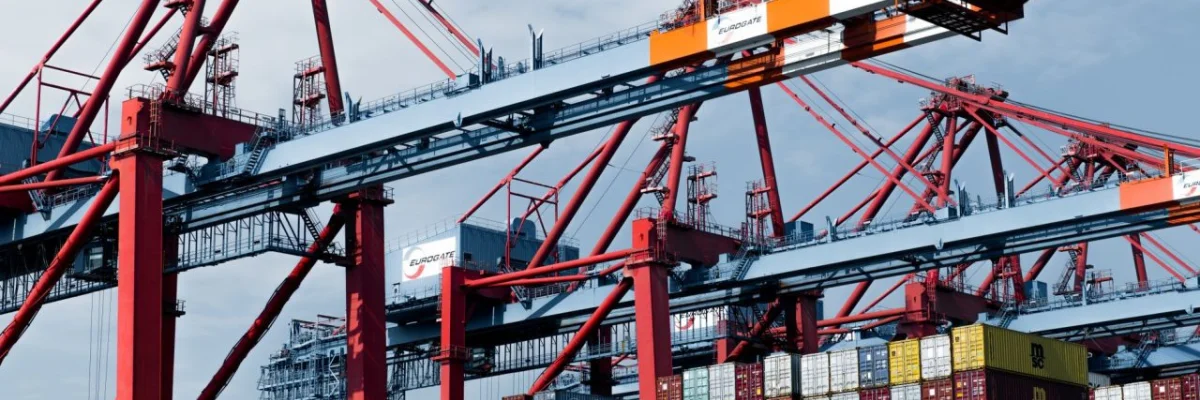
The global logistics landscape is undergoing a massive transformation driven by the need for speed, transparency, and operational efficiency. For modern freight forwarders, relying on manual processes and fragmented spreadsheets is no longer a viable strategy for sustainable growth. By adopting cloud-based platforms and robust software integrations, forwarders can synchronize their operations, reduce human error, and provide clients with real-time visibility. This article explores how embracing digital infrastructure empowers logistics professionals to navigate complex supply chain hurdles, optimize workflows, and build a competitive advantage in an increasingly digitized market that demands instantaneous information and seamless communication across all global trade channels.
Centralized Data Management

Consolidating your operational data into a single source of truth eliminates the need for switching between disparate platforms. This centralized approach ensures that every stakeholder has access to accurate information, significantly reducing communication delays and costly administrative overhead during execution.
- Real-time data synchronization: Our platform ensures that shipment status updates are reflected instantly across all user interfaces, allowing your team to respond proactively to unexpected delays or sudden route changes.
- Automated document handling: Reduce manual data entry by automating the generation of bills of lading and invoices, which minimizes human errors while drastically speeding up the overall documentation lifecycle.
- Enhanced visibility metrics: Track key performance indicators through integrated dashboards that provide actionable insights, helping your leadership team make informed decisions based on live cargo tracking data points.
- Secure cloud storage: Centralize every document within a highly secure cloud environment, ensuring that critical compliance records remain accessible yet protected from unauthorized access or accidental data loss.
By moving away from siloed legacy systems, freight forwarders gain a unified perspective of their entire operational pipeline. This transition fosters better collaboration between departments, ensuring that sales, operations, and accounting teams are always aligned. Investing in centralized data architecture is the fundamental first step toward building a scalable digital foundation that supports future business growth and improved client service delivery standards.
Automating Complex Customs Compliance

Managing global trade compliance requires strict attention to detail and adherence to shifting international regulations. Integrated software solutions simplify this process by validating documentation against current customs rules, ensuring that your shipments face fewer inspections and costly processing delays.
- Automated trade validation: The software cross-references shipment details against evolving global customs databases, flagging potential non-compliance issues long before your cargo reaches the border for official clearance.
- Digital audit trails: Maintain a comprehensive and timestamped record of every compliance action taken, providing complete transparency for future regulatory audits or internal company performance reviews.
- Streamlined filing processes: Direct integrations with government customs portals allow for the seamless electronic submission of declarations, cutting down the processing time from several days to minutes.
- Error reduction protocols: Automated logic checks verify critical data fields such as commodity codes or tax identifiers, significantly lowering the risk of fines associated with human entry errors.
Navigating customs should not be a constant source of stress for your logistics staff. Through automation, your team can pivot from tedious paperwork to managing strategic exceptions that require human expertise. This shift not only improves the reliability of your service offerings but also bolsters your reputation as a trusted partner capable of handling even the most complex cross-border logistics requirements successfully.
Improving Partner Communication Portals

Seamless communication between carriers, agents, and clients is the backbone of efficient freight forwarding. Modern portals provide a professional interface where external partners can interact directly with your system, fostering trust and transparency throughout the entire shipment journey.
- Interactive client portals: Provide your customers with a secure, branded environment where they can track shipments, download documents, and request quotes without needing to send manual emails.
- Carrier integration tools: Establish direct digital connections with your preferred carrier networks to receive automated booking confirmations and status updates directly into your forwarding management system.
- Instant notification alerts: Configure automated triggers that send status updates to your clients via email or SMS, keeping them informed of milestones without needing manual status reports.
- Streamlined query resolution: Use integrated messaging features that attach communication directly to specific shipment files, keeping all relevant project context organized and accessible to all team members.
Replacing traditional email chains with integrated digital portals creates a more responsive service model for your clients. By allowing your stakeholders to interact with your platform on their own terms, you increase transparency and reduce the burden of repetitive administrative inquiries on your staff. This modern approach to communication is essential for maintaining long-term partnerships and demonstrating technological sophistication in today's market.
Scalable Infrastructure for Growth

As your business scales, your technology must adapt to handle increased shipment volumes and more complex operational demands. Cloud-based freight software offers the elasticity required to expand your reach without needing expensive hardware upgrades or massive IT overhead investments.
- Elastic resource allocation: Our cloud infrastructure adjusts server capacity automatically based on your current operational load, ensuring the platform remains fast and responsive during peak shipping seasons.
- Modular feature expansion: Start with core logistics tools and add advanced modules like warehouse management or automated freight auditing whenever your specific business requirements eventually evolve further.
- Global accessibility features: Enable your remote and distributed teams to access the platform securely from any location globally, facilitating better coordination across your international branch offices.
- Continuous software updates: Benefit from automatic platform enhancements and security patches deployed to your system regularly, ensuring you always operate using the latest industry standard tools.
Preparing for growth means selecting a technology partner that values flexibility and innovation. With a cloud-native platform, you ensure that your business remains agile enough to pivot when market conditions change or when new growth opportunities arise. Investing in a scalable digital infrastructure protects your long-term interests while empowering your team to deliver consistent performance regardless of the total shipment volume handled.
Conclusion

Implementing robust technology integrations is the definitive path forward for modern freight forwarders seeking efficiency and scale. By centralizing data, automating compliance, and improving communication, you build a resilient business that thrives in a competitive environment. Start your digital transformation journey with MakeCargo today to streamline your operations and provide unparalleled service quality to your clients across the global supply chain.