Optimizing Freight Forwarding Through Strategic Tech Integrations
Friday, August 21 2026

Modern freight forwarding is undergoing a massive digital transformation that requires agile software solutions to keep pace with global trade demands. As supply chain complexities increase, forwarders must leverage cloud-based platforms to maintain a competitive edge. Integrating diverse digital tools into a centralized operating system allows businesses to automate manual data entry, reduce human error, and provide real-time visibility to clients. By adopting scalable technology, freight companies can optimize their internal workflows while delivering superior service levels across all shipping lanes. This strategic shift is no longer optional but a fundamental requirement for long-term growth and operational excellence in today's fast-paced logistics landscape.
Unified Data Management Systems

Centralizing fragmented data into a single cloud platform eliminates information silos. By utilizing integrated software, logistics teams can access accurate shipment details instantly, ensuring that every stakeholder remains informed throughout the entire lifecycle of the cargo transit process without manual updates.
- Seamless Data Syncing: Automated synchronization between your freight management system and external carriers ensures that shipment statuses remain updated without requiring manual intervention from your team of dedicated operations staff members.
- Reduced Operational Errors: Centralized databases minimize the risk of human error by ensuring that everyone works from the same source of truth regarding pricing, documentation, and specific customer requirements.
- Enhanced Reporting Capabilities: Integrated analytics tools allow managers to pull comprehensive reports on key performance indicators which helps in identifying bottlenecks and improving the overall efficiency of shipping operations.
- Scalable Cloud Infrastructure: Cloud-based systems grow alongside your business, allowing you to add new users and features without the need for expensive physical server upgrades or complex hardware maintenance.
Adopting a unified data approach empowers forwarders to make data-driven decisions that save time and money. When your team spends less time hunting for documents or chasing carrier updates, they can focus on high-value tasks such as customer relationship management and strategic route planning. This level of organization creates a frictionless environment where business goals are achieved through consistent and reliable digital workflows.
Automated Customs and Compliance
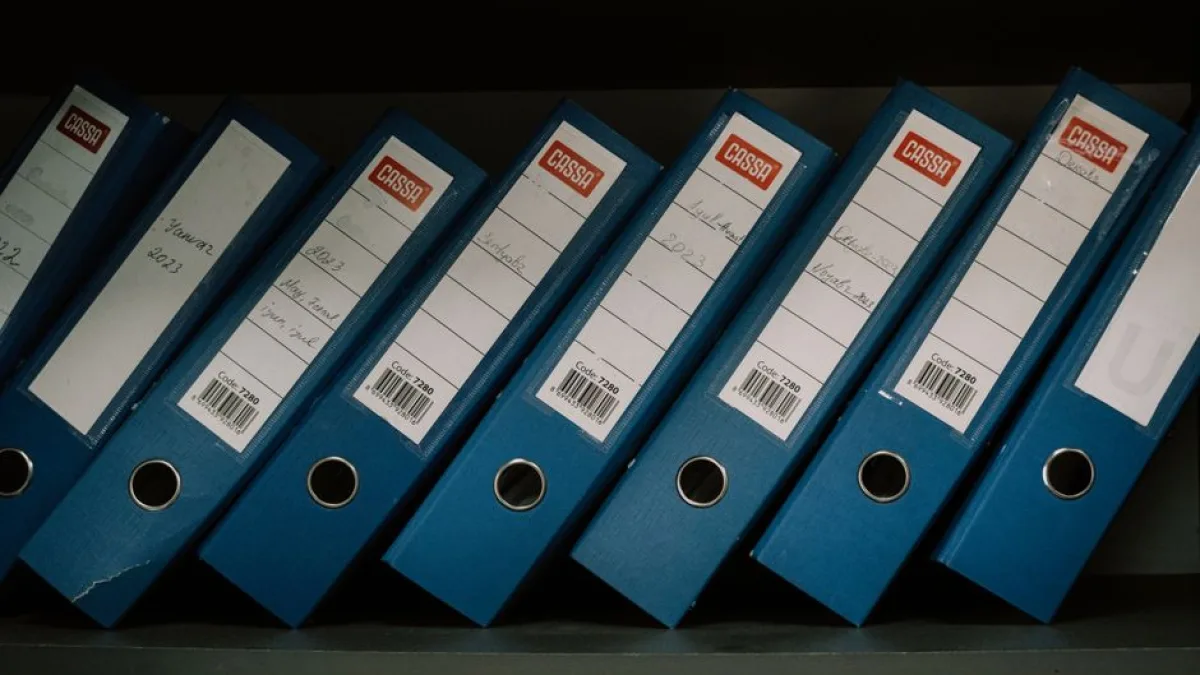
Navigating complex international regulations requires precision and speed to avoid costly delays at the border. Modern software integrations automate the filing of customs declarations by pulling data directly from shipping manifests, ensuring compliance with evolving trade laws and safety protocols.
- Automated Filing Processes: Software platforms automatically generate required customs documents using existing shipment data, significantly reducing the time spent preparing paperwork for international shipments to reach their final destination.
- Real-time Compliance Checks: Integrated systems run automatic checks against restricted party lists and international trade regulations to ensure that every shipment follows current legal requirements and security standards.
- Digital Document Storage: Secure cloud storage keeps all customs declarations and certificates in one accessible location, making audits easier and ensuring that documentation is always ready for review.
- Simplified Duty Calculations: Automated calculators use updated tariff schedules to provide accurate duty estimates, helping your clients understand their total landed costs before a shipment even leaves the port.
By automating the compliance process, forwarders reduce the likelihood of heavy fines and shipment detentions. This integration provides peace of mind for both the freight forwarder and the end customer. As trade regulations become increasingly complicated, having a digital system that adjusts to these changes in real time is essential for maintaining a reputation of reliability and professional standard within the industry.
Real-time Tracking and Visibility
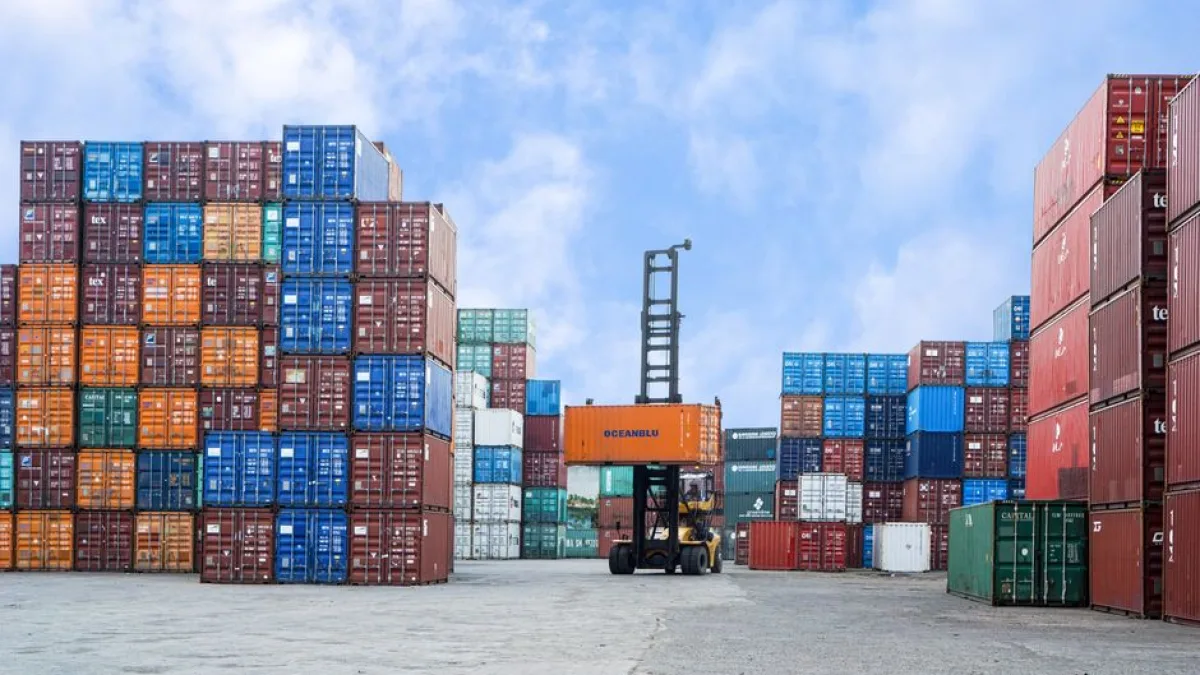
Customers expect immediate updates regarding the status of their freight throughout the journey. Integrating tracking technology into your freight software provides end-to-end visibility, allowing you to proactively manage exceptions and provide accurate estimated arrival times to every single stakeholder.
- Carrier API Connections: Direct API links to ocean and air carriers pull real-time movement data into your dashboard, providing instant updates on container locations and current vessel status.
- Proactive Exception Management: Automated alerts notify your team as soon as a shipment deviates from its planned schedule, allowing for rapid problem-solving before the customer even notices an issue.
- Client Portal Access: Providing customers with a branded web portal allows them to track their shipments independently, reducing the volume of status-related inquiries handled by your customer service team.
- Predictive Arrival Estimates: Sophisticated algorithms process current weather and port congestion data to provide more accurate arrival times, helping customers plan their inventory distribution much more effectively than before.
Visibility serves as a powerful differentiator in the crowded freight forwarding market. When you offer clients a clear window into their supply chain, you build trust and long-term loyalty. By leveraging these advanced tracking integrations, you transform the shipping experience from a black box into a transparent process, positioning your firm as a modern leader that utilizes technology to solve logistics challenges.
Financial Integration and Efficiency

Effective financial management is the backbone of any successful freight forwarding business. Integrating your operations software with accounting systems creates a seamless flow of data, ensuring that invoicing, billing, and payment tracking are handled with maximum speed and accuracy.
- Automatic Invoice Generation: Once a shipment reaches its milestone, the system automatically triggers an invoice based on pre-defined rates, ensuring that your billing cycle remains fast and entirely accurate.
- Syncing Accounting Software: Bidirectional syncing between your freight platform and accounting tools eliminates double entry, saving your finance team hours of manual work every single business week.
- Cash Flow Monitoring: Real-time financial dashboards provide instant insight into your accounts receivable and payable, giving you better control over your firm's cash flow and liquidity management.
- Currency Conversion Automation: Integrated tools handle multi-currency payments automatically, applying current exchange rates to ensure that your invoices remain accurate regardless of the international shipping routes involved.
Streamlining the financial cycle reduces the time between service delivery and getting paid, which is critical for a healthy business. By removing manual accounting tasks, your staff can focus on managing more freight volume without needing to scale their administrative headcount. This integration creates a lean financial operation that supports consistent profit growth and allows you to reinvest in further digital development.
Conclusion

Successful freight forwarders recognize that technology integration is the key to scaling operations effectively in a modern global economy. By unifying data, automating compliance, ensuring visibility, and streamlining finances, your company can achieve unprecedented levels of efficiency. Embrace these digital tools today to enhance your service quality and provide your clients with the transparency they demand in a complex, high-stakes logistics environment.