Optimizing Freight Forwarding Through Strategic Tech Integrations
Wednesday, August 26 2026
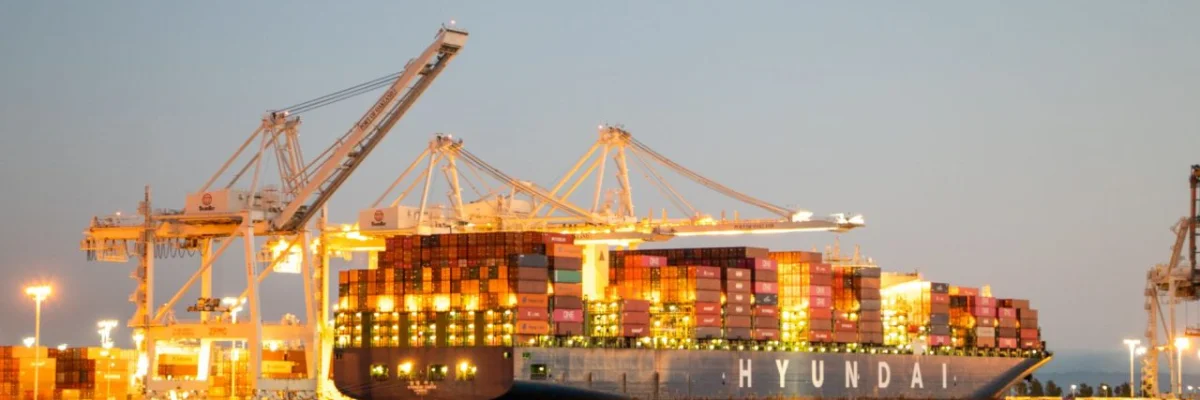
The global logistics landscape is undergoing a massive transformation driven by digital innovation and the demand for real-time visibility. Freight forwarders are increasingly tasked with balancing complex international regulations while ensuring seamless cargo movement across diverse supply chains. Traditional manual processes are no longer sufficient to maintain a competitive edge in this fast-paced industry. By adopting cloud-based software platforms, modern forwarders can unify their operations, reduce human error, and enhance client satisfaction. This strategic shift toward digital integration empowers logistics professionals to scale their business operations efficiently, turning technological challenges into sustainable growth opportunities within an evolving and demanding global marketplace.
Centralizing Data Ecosystems
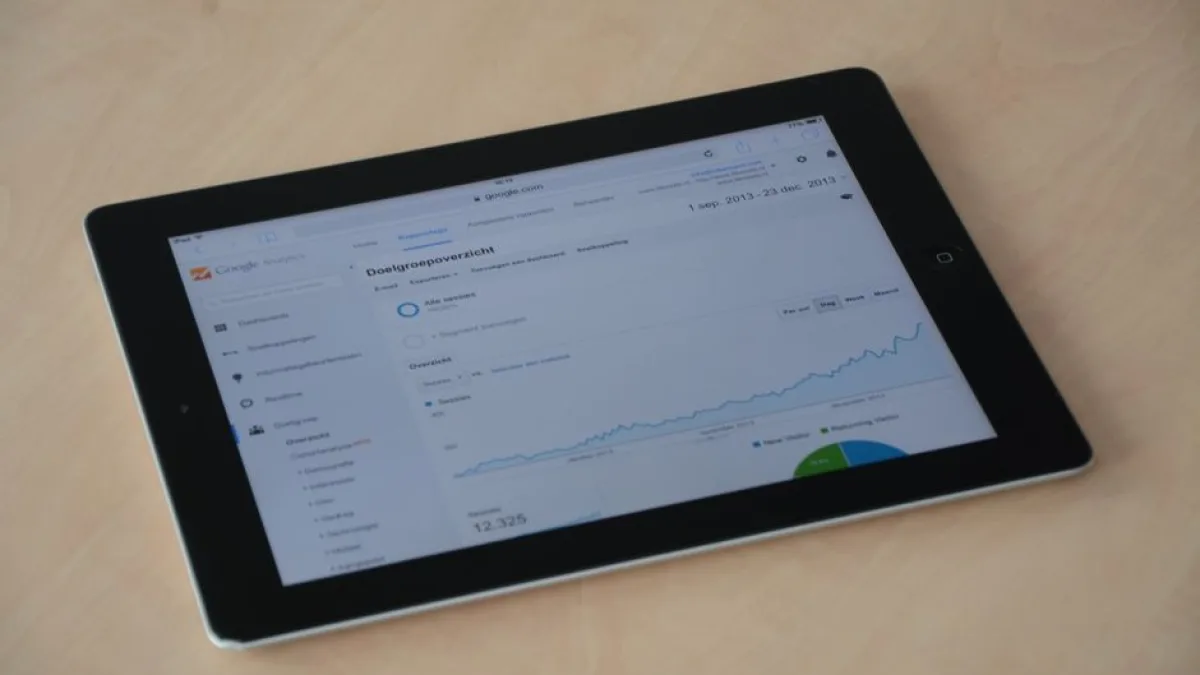
Unified data management serves as the foundation for modern freight operations, bringing disparate information sources into a single digital environment. This cohesion allows logistics teams to access critical shipment documentation and real-time status updates from one centralized dashboard interface.
- Real-time data visibility: Accessing live shipment tracking information from multiple carriers allows your team to monitor cargo status and proactively manage potential delays before they impact client delivery schedules.
- Streamlined document storage: Cloud-based systems replace physical filing cabinets by digitizing invoices, bills of lading, and customs paperwork for instant retrieval by authorized team members across your entire organization.
- Improved team collaboration: When everyone works from a single source of truth, internal communication gaps disappear, ensuring that account managers and operations staff remain perfectly aligned on priorities.
- Automated reporting tools: Generate comprehensive performance analytics with just a few clicks, enabling your management team to identify operational bottlenecks and optimize internal workflows based on factual evidence.
By moving away from siloed spreadsheets, your freight forwarding firm can achieve unprecedented levels of operational clarity. Centralization ensures that every employee, from warehouse managers to customs brokers, is working with the most accurate information available. This reduction in administrative friction directly translates into faster booking times and improved service delivery, ultimately positioning your brand as a reliable leader in a complex global market.
Automating Compliance Processes

Managing complex trade regulations requires precision and speed, as minor errors in filing can result in significant delays and heavy financial penalties. Automated software solutions provide the necessary frameworks to navigate global customs requirements while maintaining high levels of accuracy.
- Automated regulatory updates: Our integrated software automatically pulls the latest changes in customs regulations, ensuring your filings remain compliant with current international trade laws and regional shipping requirements.
- Error reduction features: Intelligent validation rules flag missing information or potential discrepancies during the data entry stage, preventing costly mistakes before documents are submitted to port authorities.
- Streamlined customs filing: Reduce the hours spent on manual form preparation by leveraging system templates that auto-populate information directly from your existing digital shipment files and database.
- Audit trail history: Maintain a comprehensive log of every filing action, providing full transparency and peace of mind during internal reviews or official external trade compliance audits.
Harnessing automation for compliance is about more than just avoiding fines, as it significantly accelerates the velocity of your shipments. When your team spends less time fixing errors or manually double-checking regulations, they gain valuable hours to focus on high-value tasks. This transition to digital compliance management provides a scalable foundation for your firm to expand into new international trade lanes confidently.
Enhancing Customer Communication

Client satisfaction in freight forwarding hinges on transparency and consistent updates throughout the transit lifecycle. Modern integration tools allow forwarders to share real-time shipment milestones directly with their clients, fostering trust through proactive communication and constant digital accessibility.
- Client portal access: Give your customers the power to track their cargo and download essential documents via a secure, branded portal that reflects your firm's professional image.
- Automated status alerts: Configure the system to send email or SMS updates whenever a shipment reaches a specific milestone, reducing the volume of inbound status check requests.
- Personalized communication logs: Track the entire history of interactions with each client directly inside the shipment record, ensuring that any team member can provide informed service.
- Instant feedback loops: Integrate survey tools that automatically prompt clients for their input after delivery, helping you refine your service offerings and build stronger long-term relationships.
Empowering your clients with self-service technology significantly reduces the burden on your customer support staff. Instead of fielding routine status inquiries, your team can concentrate on solving complex logistical challenges and building deep client loyalty. This level of digital sophistication demonstrates that your forwarder is a modern partner capable of supporting the growth and operational requirements of your global customer base.
Scaling Through API Connectivity
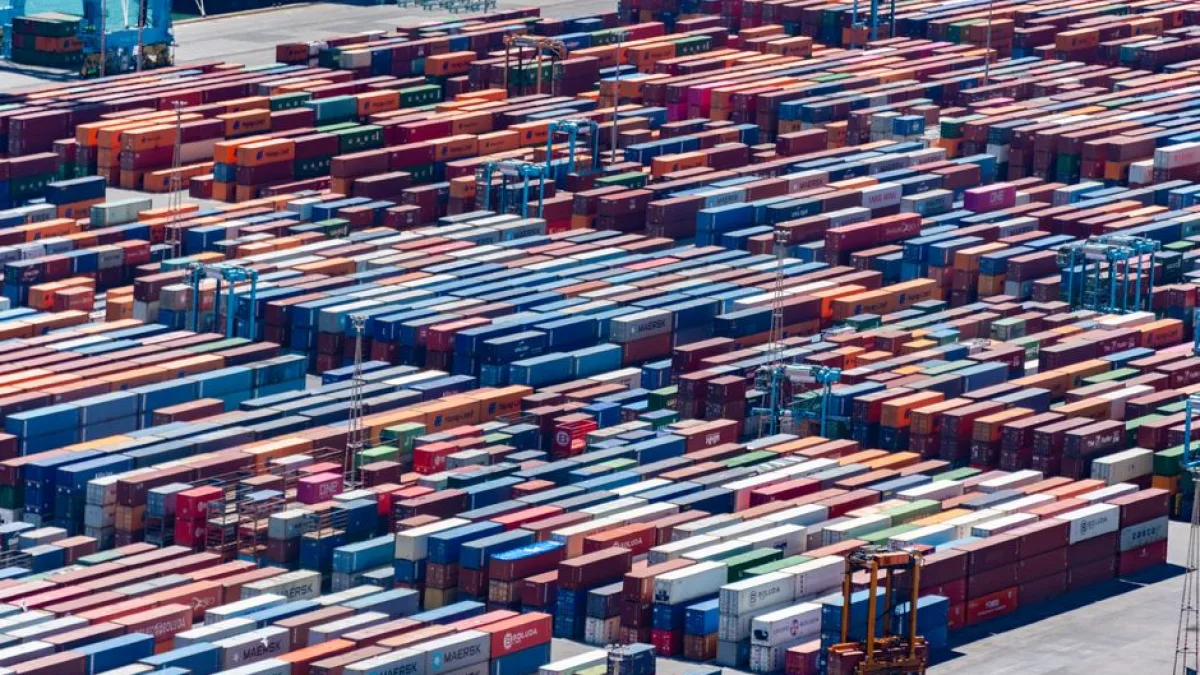
Connecting your internal software to external partner networks is essential for creating a truly integrated supply chain. API connectivity enables seamless data exchange between your platform, carriers, and regional partners, ensuring that information flows without human intervention at every touchpoint.
- Instant carrier integration: Connect directly to major shipping lines and trucking networks to receive real-time quotes and capacity availability without leaving your central software management dashboard.
- Seamless ecosystem expansion: Easily add third-party plugins or specialized logistics tools to your existing stack, allowing your operations to adapt quickly to new market demands or technologies.
- Enhanced data accuracy: API-driven data transfers eliminate the need for manual re-entry, significantly reducing the potential for typos or data corruption between different enterprise software systems.
- Scalable infrastructure growth: As your transaction volume increases, robust API integrations handle the heavy data load, ensuring your platform performance remains stable regardless of how many shipments.
Investing in API infrastructure is a strategic move that prepares your business for the future of global logistics. When your systems talk to each other automatically, you eliminate the delays typically associated with manual coordination. This interconnectedness allows you to scale your operation rapidly, handling increased freight volumes and diverse shipping routes while maintaining a lean, high-performing team structure that consistently delivers results.
Conclusion

Adopting advanced technology and integrations is essential for any freight forwarder aiming to succeed in today's digital economy. By centralizing operations, automating compliance, enhancing communication, and utilizing powerful API connections, your firm can achieve superior efficiency and market growth. Start your digital transformation journey with MakeCargo today to ensure your team has the tools necessary to thrive in an increasingly connected global industry.