Optimizing Freight Forwarding Through Strategic Tech Integrations
Thursday, August 27 2026

Modern freight forwarding is undergoing a rapid digital transformation as logistics professionals strive to manage increasingly complex global supply chains. The days of relying on manual data entry and disjointed communication channels are fading fast. By embracing a unified cloud platform, forwarders can now bridge the gap between disparate systems and unlock real-time visibility across every stage of the shipment lifecycle. This article explores how strategic technology integrations empower forwarders to reduce operational friction, eliminate costly errors, and provide superior service levels that differentiate their businesses in a highly competitive and fast-paced international trade environment.
Seamless Data Synchronization
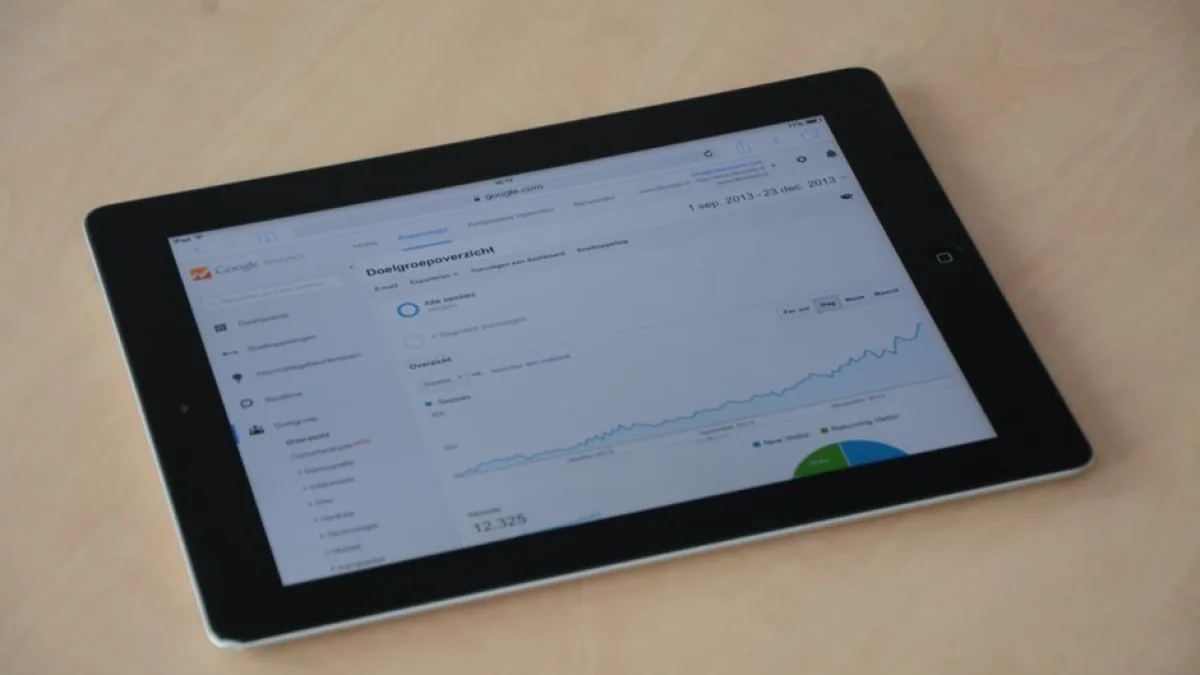
Integrating software ecosystems allows for the fluid movement of information between your freight management system and external partners. This connectivity minimizes the need for manual inputs and ensures that every stakeholder accesses accurate, up-to-date documentation throughout the transit process.
- Automated Data Mapping: Automated bridges between platforms ensure that shipment details flow directly into your ledger without human interference, which drastically reduces the risk of expensive errors and delays.
- Real-time Inventory Updates: Consistent synchronization keeps warehouse managers and logistics coordinators informed about stock levels, allowing for more precise planning and better resource allocation across your global network.
- Standardized Document Exchange: Utilizing universal data formats helps ensure that customs authorities and agents receive uniform information, which accelerates the clearance process and avoids unnecessary document rejection.
- Dynamic Status Tracking: Live connectivity with carrier portals provides automatic updates on cargo location, allowing your team to proactively communicate any potential disruptions to your final customers.
By removing the silos that traditionally plague logistics companies, automated synchronization enables a more cohesive operational workflow. Your team spends less time hunting for information and more time analyzing performance metrics that drive growth. This transition to an integrated digital architecture serves as the foundation for scalability, allowing your firm to handle larger shipment volumes without increasing administrative headcount or overhead costs.
API-Driven Connectivity

Application programming interfaces serve as the glue holding your technological stack together. By leveraging robust APIs, forwarders can create bespoke connections that pull data from various carrier sources into one centralized dashboard, simplifying management and improving overall response speed.
- Custom Carrier Integration: Connecting directly to airline and ocean carrier systems provides instant access to booking slots and schedules, ensuring you secure the best possible rates and transit times.
- Customs Agency Links: Direct API connections to government customs portals facilitate faster clearance by submitting digital declarations directly from your platform, bypassing manual entry errors and delays.
- Third Party Plugins: Integrating specialized insurance or currency conversion tools directly into your workflow provides immediate value-added services that enhance your core offering to diverse global clients.
- Enhanced Visibility APIs: Modern tracking tools pull geolocation data from GPS devices or vessel transponders, giving your team an exact view of cargo movement across the ocean.
Investing in API infrastructure is no longer a luxury but a fundamental necessity for companies that wish to maintain a competitive advantage. This connectivity allows for a flexible response to market fluctuations and provides your developers with the tools to build custom features. When your systems talk to each other effectively, you gain a massive advantage in speed and reliability for your clients.
Cloud-Based Collaboration Tools

Moving your operations to the cloud empowers teams to collaborate from any location in the world. Shared access to live data ensures that agents, warehouse staff, and management remain aligned, preventing common miscommunications that often lead to missed deadlines.
- Shared Document Repositories: Centralized folders for bills of lading and commercial invoices allow every authorized team member to retrieve necessary files instantly without needing constant email updates.
- Unified Communication Threads: Integrated messaging systems attached to specific shipment files keep internal conversations organized and easily searchable, preserving critical context for future reference or audit trails.
- Multi-user Access Control: Granular permission settings ensure that team members access only the information they require, which maintains high security standards while promoting efficiency across your entire organization.
- Live Task Management: Shared checklists allow coordinators to track completion of individual shipment milestones in real-time, ensuring that no essential step is missed during the export process.
Cloud collaboration transforms the way your organization handles daily logistics by fostering transparency and accountability. By providing a single source of truth, you eliminate the confusion that arises when team members rely on different versions of a spreadsheet. This improved operational alignment translates directly into better service delivery, ensuring that your clients receive timely and accurate information during every single transit phase.
Data Analytics and Reporting

Turning raw shipping data into actionable insights is the ultimate goal of any integrated tech stack. By leveraging comprehensive reporting tools, forwarders can identify bottlenecks in their supply chain and make informed decisions that optimize costs and improve shipping performance.
- Performance KPI Dashboards: Visualize key performance indicators like on-time delivery rates or average transit times to assess your network efficiency and identify areas that need immediate improvement.
- Cost Analysis Reports: Aggregate spending data across different carriers to uncover hidden expenses and negotiate better volume-based rates for your most frequent shipping lanes in the future.
- Predictive Capacity Planning: Historical data analysis helps you anticipate busy shipping seasons, allowing you to pre-book space and avoid the surge in costs during peak market demand.
- Automated Customer Reporting: Generate professional, branded performance reports for your clients automatically, which reinforces your value proposition and strengthens long-term relationships with your most loyal corporate accounts.
Advanced reporting capabilities empower you to move beyond reactive management and start acting strategically. When you clearly see where your operations are succeeding or struggling, you can pivot your strategy to maximize profitability. Using data-driven insights ensures that every decision you make is backed by concrete evidence rather than guesswork, providing your business with a clear roadmap for long-term growth and stability.
Conclusion

Adopting advanced technology and system integrations is the most effective way to modernize your freight forwarding business. By prioritizing connectivity, you enable your team to work faster and smarter while reducing the risks inherent in manual processes. Start evaluating your current software stack today to identify where you can automate workflows and achieve superior operational efficiency for your growing logistics enterprise.