Optimizing Freight Forwarding Through Strategic Tech Integrations
Saturday, September 5 2026

Modern freight forwarding is undergoing a rapid digital transformation where manual processes are being replaced by high-performance software solutions. As global supply chains become more volatile, the need for seamless data flow between carriers, shippers, and agents has never been greater. Leveraging cloud-based platforms like MakeCargo allows companies to consolidate fragmented systems into a single source of truth. By embracing strategic integrations, logistics providers can eliminate data silos, reduce human error, and deliver superior visibility to their clients. Adopting these advanced technologies is no longer just a competitive advantage, it is an essential requirement for operational survival and growth in this industry.
Automated Workflow Management

Automation removes the burden of repetitive data entry from your daily operations. By utilizing smart integrations, your team can automatically sync shipping orders and documentation directly into your management platform, ensuring that every shipment is tracked with extreme precision and speed.
- Reduced Data Errors: Automated systems eliminate the manual transfer of information between disparate platforms which significantly lowers the risk of costly typos and incorrect bill of lading details.
- Faster Shipment Processing: Integrating booking systems with your software allows for instant status updates that accelerate the entire workflow from initial quotation through to the final delivery stage.
- Centralized Document Storage: Secure cloud storage ensures that every shipping document is archived properly and accessible to authorized personnel instantly without searching through endless folders or email threads.
- Improved Team Productivity: By removing manual administrative burdens from your staff, they can focus their valuable time on high-level problem solving and strengthening key relationships with your clients.
Transitioning to automated workflows changes how your staff interacts with daily tasks. Instead of wasting time on repetitive manual updates, your team can prioritize customer service and exception management. This shift not only improves the internal efficiency of your firm but also elevates the overall experience for your shippers. Consistent data synchronization creates a reliable foundation for scaling your logistics operations successfully and profitably.
Real Time Shipment Visibility
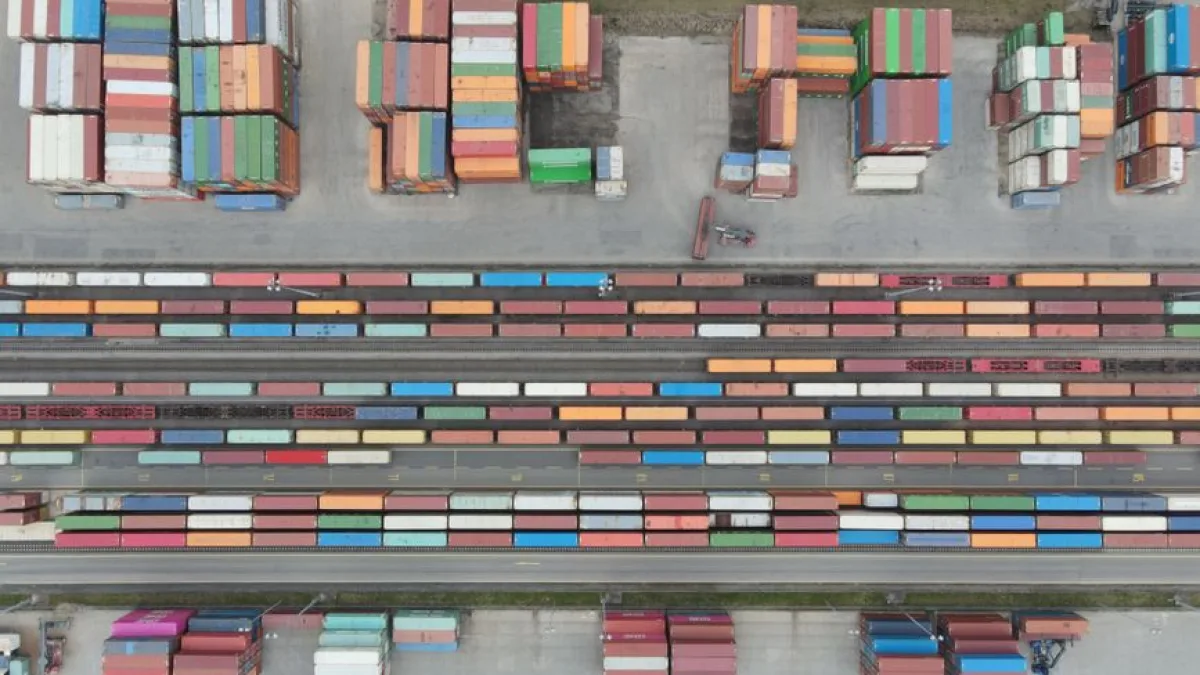
Customers today expect instant access to the status of their cargo regardless of the transit mode. Integrated tracking systems pull live data from global carriers and port terminals to provide your clients with accurate information and proactive milestone alerts.
- Proactive Milestone Alerts: Automated systems notify your customers automatically as cargo passes through specific milestones which reduces the volume of incoming status inquiries for your support team.
- Global Carrier Integration: Connecting directly with major ocean and air carrier APIs ensures that you always receive the latest tracking information without logging into separate portals.
- Predictive Arrival Forecasting: Using advanced analytics and historical data allows your platform to provide accurate arrival estimates that help your clients plan their inventory and warehousing needs.
- Enhanced Client Trust: Sharing live tracking links with your shippers demonstrates professional transparency and reinforces your commitment to providing a superior service in a complex global market.
Visibility serves as the backbone of modern freight forwarding services and client retention. By providing a clear view of where cargo resides at any given moment, you build credibility and trust with your customers. This level of transparency makes your services indispensable, turning your logistics company into a reliable partner that shippers can depend on for their most critical global supply chain movements.
Seamless Financial Integration

Financial health depends on accurate accounting and fast invoicing cycles. Connecting your freight platform with robust accounting software ensures that every shipment cost and revenue item is captured instantly to improve your cash flow and financial reporting accuracy.
- Instant Invoice Generation: Once a shipment is finalized, the system automatically creates professional invoices based on the agreed rates, drastically reducing the time spent on manual billing cycles.
- Accurate Cost Tracking: Syncing expense data directly into your ledger helps you maintain a clear view of margins per shipment while preventing any missed charges from carriers.
- Faster Payment Cycles: Automated billing reminders and seamless integration with payment gateways encourage faster payments from clients, which keeps your company cash flow healthy and stable.
- Simplified Tax Reporting: Centralized financial data makes the end of month or year reporting much easier because all shipment revenue is already categorized and reconciled inside your software.
Optimized financial integrations save your business from the common traps of manual ledger errors and delayed billing. When your operational software talks to your accounting tools, you gain total control over your margins and profitability. This integration approach removes the friction from your financial processes, allowing you to scale your business while keeping a firm grip on your company bottom line performance.
Scalable Cloud Infrastructure

Cloud infrastructure provides the flexibility to scale your resources according to the seasonal demands of global trade. By utilizing web-based systems, you ensure that your entire global team can access the platform from anywhere at any time.
- Remote Access Capabilities: Cloud based systems allow your agents, partners, and employees to collaborate from any location with internet access, ensuring operations continue smoothly around the clock.
- Regular Software Updates: With a cloud platform, you receive the latest security patches and feature updates automatically without needing to manually install new versions or hardware.
- High Security Standards: Reputable cloud providers implement sophisticated security measures including end to end encryption to keep sensitive shipping data safe from unauthorized access and cyber threats.
- Flexible Resource Scaling: As your forwarding business grows in volume or complexity, your software infrastructure adapts effortlessly to handle increased workloads without needing heavy investment in servers.
Scalability ensures that your technological investments remain relevant as the logistics landscape continues to evolve. Moving away from legacy on premise systems to cloud solutions protects your business from obsolescence while enhancing overall flexibility. This adaptability allows your team to respond to market changes instantly, ensuring that you remain a top tier service provider in a highly competitive global forwarding industry.
Conclusion

Embracing modern technology integrations is the most effective way to future proof your freight forwarding business. By connecting your workflows, visibility, financial data, and infrastructure, you build a resilient operation capable of handling global complexities. Start evaluating your current tech stack today to identify where you can eliminate manual friction and drive growth. Partnering with the right software is the key to lasting success.