Optimizing Freight Forwarding Through Strategic Tech Integrations
Sunday, September 6 2026

Modern logistics environments demand high levels of precision and speed to remain competitive in a volatile global market. Freight forwarders often struggle with fragmented systems that hinder real-time visibility and increase manual workload. By embracing cloud-based platforms and strategic API integrations, businesses can unify their operations into a single source of truth. This technological transformation is not just about adopting new tools but about fundamentally restructuring workflows to enhance customer satisfaction. As we explore the integration landscape, it becomes clear that interconnected data streams represent the future of efficient supply chain management and sustainable business growth for logistics providers.
Centralized Data Management

Unified dashboards serve as the command center for your entire operation, allowing teams to view critical shipment data without toggling between disconnected programs. This shift removes data silos and ensures that every stakeholder accesses accurate, up to the minute tracking information.
- Eliminated manual entries: Automating data entry reduces human error significantly while freeing up your team to focus on high-value client communication and complex troubleshooting tasks that require genuine human oversight.
- Real-time synchronization: Automated sync processes ensure that all internal departments receive immediate updates on cargo status changes to facilitate faster decision making across the entire global logistics network.
- Improved system accuracy: Standardizing data inputs across all digital channels prevents the common discrepancies that often plague manual reporting and cause friction between forwarders and their local carriers.
- Enhanced operational speed: Centralized platforms accelerate document processing cycles by allowing instant access to digitized customs forms and bills of lading through a single secure cloud based environment.
Adopting a centralized approach allows your logistics firm to scale effectively without adding unnecessary headcount. By removing the friction associated with fragmented data entry and conflicting record keeping, you empower your staff to operate with greater confidence. This investment in structural clarity ultimately results in improved profit margins and a significantly stronger competitive position within the crowded and demanding global freight industry.
Automated Carrier Communication

Instant connectivity with ocean and air carriers is essential for maintaining a seamless supply chain. Automated messaging protocols ensure that booking requests and status updates flow directly into your software, eliminating the need for tedious manual email tracking and confirmation.
- Instant booking confirmation: Automated request handling allows your team to secure vessel space within seconds, preventing the delays typical of manual email exchanges and long telephone waiting periods with agents.
- Dynamic status alerts: Integrated tracking systems provide automatic updates to clients the moment a carrier reports a delay or milestone change, keeping them informed through every logistical step.
- Optimized rate procurement: Electronic data exchange makes it easy to compare multiple carrier quotes simultaneously, ensuring you always secure the most cost effective options for your specific shipments.
- Streamlined document sharing: Automated systems facilitate the secure transfer of commercial invoices and packing lists between partners, reducing transit times and potential customs clearance issues at international borders.
By automating how you talk to carriers, you drastically reduce the time wasted on administrative overhead. This digital efficiency allows your team to focus on solving complex logistical problems rather than chasing information. Forwarders who prioritize these direct software integrations gain a significant advantage in speed and reliability, which directly contributes to higher customer retention rates and increased operational stability across your network.
Enhanced Client Visibility
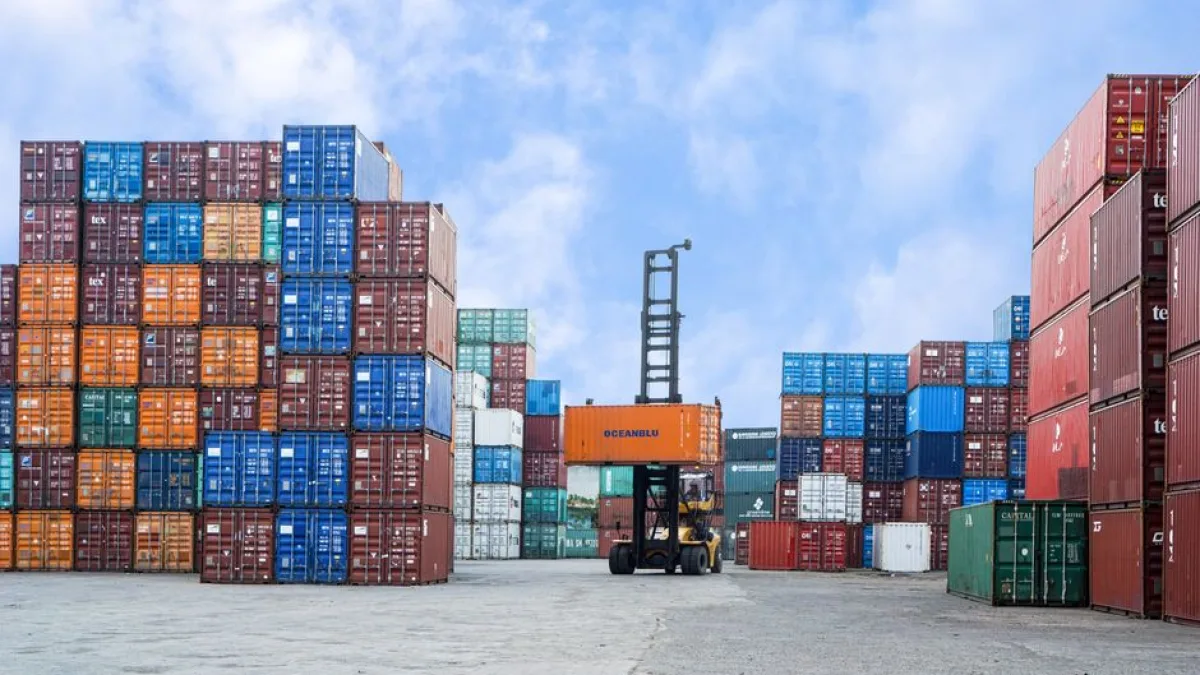
Providing clients with a transparent view of their shipments is the hallmark of a top tier freight forwarder. Modern portal integrations enable customers to track their cargo journey, view invoices, and download documentation at their own convenience without manual interaction.
- Self-service portals: Giving customers access to their own shipment data empowers them to answer their own questions, reducing the volume of status inquiries flooding your customer support team.
- Transparent milestone tracking: Live updates provide clients with confidence and trust in your services, as they can monitor their cargo progress through every terminal and transit point.
- Custom reporting tools: Analytical features enable your clients to extract valuable data regarding their shipping history and performance, which helps them make better informed logistical decisions themselves.
- Proactive issue resolution: Automated alerts allow you to notify clients of potential disruptions before they impact their business, showcasing your professional reliability and commitment to high performance.
Transparency acts as a powerful differentiator in the modern logistics market. When you give clients the tools to monitor their goods, you build trust and solidify long term relationships. By reducing the noise and constant back and forth communication, your team gains time to focus on strategic growth initiatives. Digital portals transform a basic service into a premium partnership experience for your customers.
Advanced Analytics Reporting

Data is the lifeblood of efficient freight forwarding, providing the insights necessary for long term planning and operational refinement. Advanced reporting tools integrated into your platform allow you to identify cost leaks, carrier performance bottlenecks, and recurring shipment delays easily.
- Cost leakage identification: Detailed reports reveal hidden expenses and discrepancies in vendor billing, allowing you to recover lost funds and negotiate better service level agreements with your partners.
- Carrier performance metrics: Measuring the reliability of your service providers helps you identify top performing lanes and partners while phasing out those that consistently fail service expectations.
- Predictive trend analysis: Leveraging historical data allows you to anticipate seasonal demand spikes or capacity shortages, helping you plan resources and manage space allocations with superior accuracy.
- Strategic business insights: Visual data representations assist management in making informed decisions about service expansions or cost cutting measures that directly impact your overall company profit margins.
Data driven decision making turns your freight forwarding operation into a precise and high performing machine. By constantly reviewing your operational metrics, you can refine your processes and eliminate inefficiencies before they accumulate into major issues. Investing in robust analytics ensures that you remain proactive rather than reactive, providing a sustainable foundation for your company to grow in a competitive market.
Conclusion

Integrating technology into your freight forwarding workflows is essential for modern business success. By centralizing data, automating communication, and providing deep visibility to your clients, you create a robust framework for long term growth. Embrace these digital tools today to enhance efficiency, reduce costs, and deliver superior service. Start optimizing your operations with MakeCargo and lead the future of logistics with confidence.