Optimizing Freight Forwarding Through Strategic Tech Integrations
Monday, September 7 2026
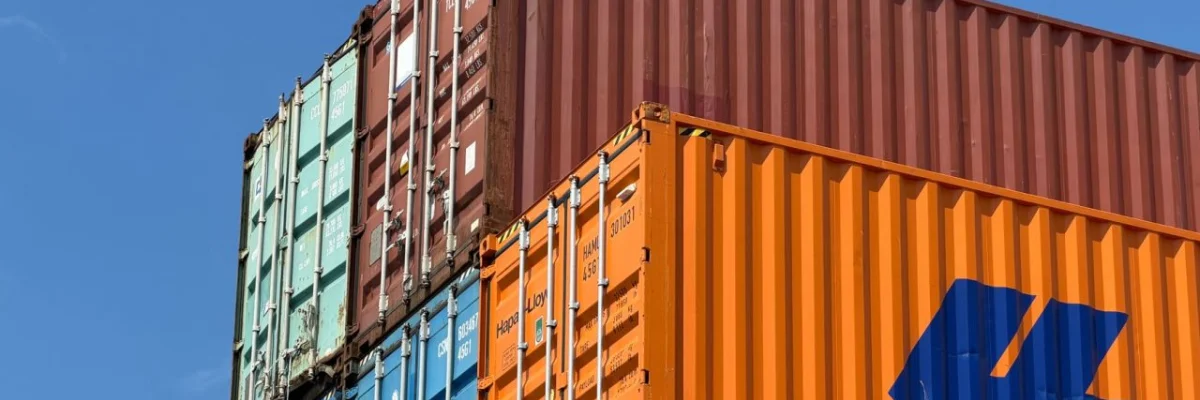
The global logistics landscape is undergoing a massive digital transformation, pushing traditional freight forwarders to move beyond manual processes and embrace cloud-based solutions. As supply chain complexities rise, the ability to integrate disparate systems becomes the primary differentiator for competitive advantage. Modern platforms provide the agility needed to manage real-time tracking, automated documentation, and seamless partner communication. By leveraging sophisticated software integrations, forwarding firms can eliminate data silos, reduce operational overhead, and provide clients with the transparency they demand. Transitioning to a tech-forward approach is no longer just an optional upgrade; it is a critical necessity for survival in today's fast-paced international market.
Unified Data Architecture

Centralizing operational data into one cohesive ecosystem allows for unprecedented visibility across every shipment. When systems speak the same language, the resulting flow of information creates a single version of truth that guides every strategic business decision you make.
- Seamless Cloud Connectivity: Cloud-based platforms allow your team to sync shipment statuses across multiple global locations instantly, ensuring everyone has access to the exact same information without manual updates.
- Automated Workflow Synchronization: By linking your forwarding software with carrier APIs, you remove the need for redundant data entry, drastically reducing human errors that often cause costly shipment delays.
- Real-time Data Access: Stakeholders can view precise shipment locations and transit status updates through a unified dashboard that updates automatically as new information arrives from transit partners.
- System Compatibility Layer: Modern software uses open APIs to bridge the gap between legacy databases and current digital tools, ensuring your business stays operational during necessary system upgrades.
A unified data architecture acts as the backbone of your modern freight forwarding operation, reducing the time spent toggling between fragmented windows. By automating the transfer of critical shipping information, your team can pivot their focus toward value-added tasks such as client management and strategic planning. This integrated approach ensures that your business remains scalable while maintaining high service levels despite increasing global trade volume.
Automated Documentation Workflows

Paperwork remains a significant bottleneck for forwarders, often leading to slow processing times and compliance risks. Adopting automated document workflows ensures that bills of lading, commercial invoices, and packing lists are generated, verified, and distributed with minimal manual effort.
- Intelligent Document Parsing: AI-driven tools extract essential data from incoming shipping documents automatically, routing the information directly into your management platform to save your staff hours of typing.
- Compliance Verification Engines: Integrated software checks your export documentation against international trade regulations in real-time, preventing customs holdups and heavy penalties for incorrect or incomplete shipment filings.
- Automated Filing Protocols: Your system can automatically generate and file digital versions of required customs declarations, ensuring that all regulatory obligations are met before the cargo reaches port.
- Digital Signature Integration: Secure electronic signature tools allow for the legal approval of transport documents from anywhere in the world, speeding up the release of goods significantly.
Transitioning away from physical document handling transforms your office into a lean digital environment. This shift not only accelerates the overall pace of your shipments but also improves accuracy across the entire supply chain process. By reducing the reliance on manual inputs, your firm can significantly decrease administrative costs while ensuring that every piece of documentation remains perfectly compliant with global standards.
Enhancing Partner Collaboration
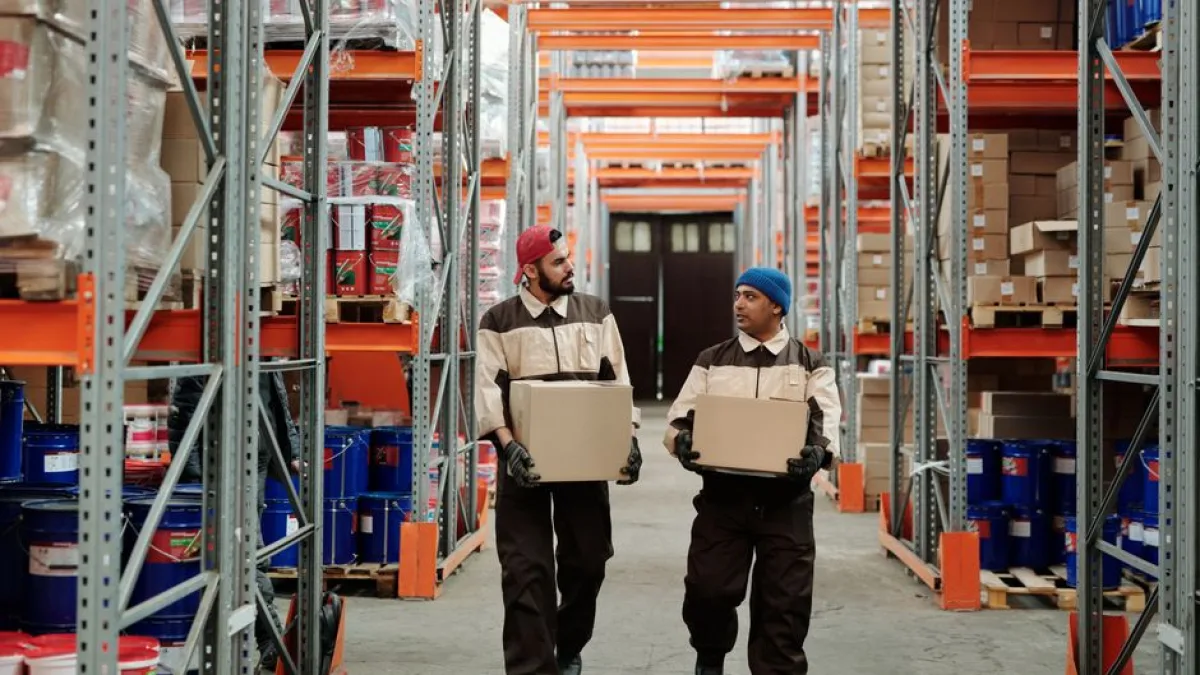
Freight forwarding is a collaborative effort involving carriers, agents, and local transporters. Digital integration tools bridge these entities by providing a shared digital space where tasks are tracked and communications are archived, preventing the loss of vital information during transit.
- Instant Partner Communication: Secure portals provide a dedicated channel for sharing updates, meaning you no longer have to rely on endless email threads to resolve simple shipping queries.
- Task Assignment Tracking: Clear digital assignments ensure that agents know exactly which steps they need to complete, providing full accountability for every stage of the transit process.
- Collaborative Exception Management: When a delay occurs, all parties can view the issue in real-time and coordinate solutions through the platform, preventing information gaps that extend delays.
- Shared Vendor Portals: Give your international partners access to a controlled portal where they can upload necessary documents, reducing your administrative workload during peak operating seasons.
Effective collaboration relies on having a transparent digital interface that unites all parties in the shipping chain. When your partners are integrated into your operational platform, the coordination of complex multi-modal movements becomes fluid and predictable. This connectivity reduces the friction that often exists between logistics providers, creating a stronger network that delivers reliable results for your clients every single day.
Real-Time Cargo Visibility
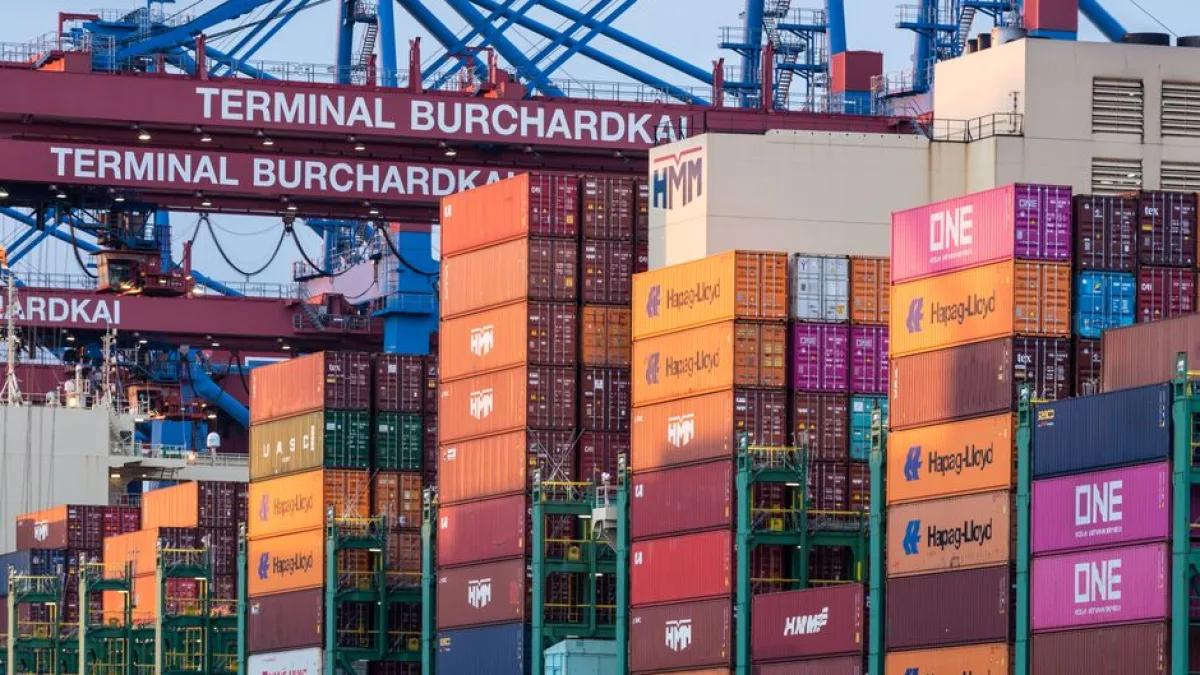
Providing your clients with real-time visibility is no longer a luxury but a fundamental service expectation. Integrated tracking systems pull data from multiple sources, offering a comprehensive view of cargo location and health from origin to the final delivery destination.
- Integrated GPS Tracking: Connecting your dashboard to carrier GPS systems allows for highly accurate arrival predictions, helping your clients better plan their inventory and warehouse storage requirements.
- Proactive Exception Alerts: Automated systems monitor shipment progress and immediately notify your team of any potential delays, allowing you to inform clients before issues become major problems.
- Temperature Monitoring Integration: If you handle cold chain logistics, software can pull data from connected container sensors to ensure your cargo stays within required temperature thresholds throughout transit.
- Automated Client Notifications: Configure your platform to send personalized, automated email updates to your clients, keeping them informed without requiring constant interaction from your internal support staff.
Real-time visibility transforms your customer service from reactive to proactive, building long-term trust with every successful delivery. Clients appreciate the ability to monitor their goods through customized portals, which reduces their anxiety and limits the number of status requests sent to your office. This high level of transparency strengthens your reputation and helps you retain clients who value reliability and technical innovation.
Conclusion

The integration of technology into freight forwarding is the most effective way to secure a competitive edge in today's global logistics market. By centralizing data, automating manual documentation, enhancing collaborative efforts, and providing real-time visibility, your firm can operate with far greater efficiency. Start your digital transformation today to ensure that your business remains resilient, scalable, and prepared for future industry challenges.