Optimizing Freight Forwarding Through Strategic Tech Integrations
Monday, September 7 2026
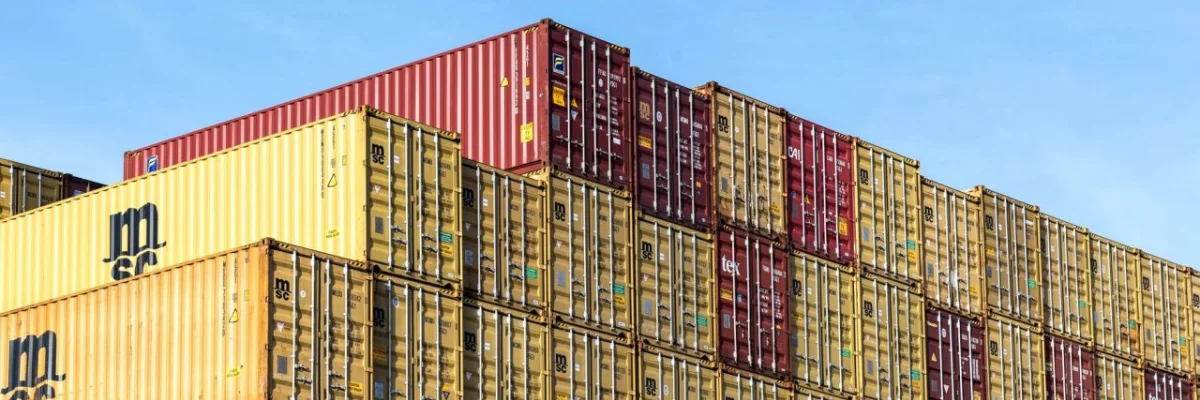
Modern logistics environments demand unprecedented levels of agility and precision to remain competitive in a volatile global market. Freight forwarders often struggle with fragmented systems that prevent the seamless flow of data across multiple supply chain stakeholders. By adopting robust software platforms, companies can bridge these operational gaps and unlock new efficiencies in documentation, real time tracking, and cost management. Integrating intelligent tools into your workflow is no longer a luxury but a fundamental requirement for scaling operations, reducing manual errors, and providing the transparent experience that today's sophisticated shippers expect from their logistics partners.
Unified Data Ecosystems

Creating a centralized digital hub allows your team to access critical shipment information from a single interface, eliminating the need for constant spreadsheet updates. This coherence ensures every team member stays informed while reducing communication bottlenecks across your global network.
- Seamless System Integration: Connect your existing ERP and accounting tools with the freight platform to automate data entry and prevent costly human errors during the documentation and invoicing stages.
- Centralized Shipment Visibility: Consolidate tracking data from various carriers and regional partners into one dashboard to provide your customers with accurate and consistent status updates at all times.
- Automated Workflow Routing: Configure automated tasks that move shipment files through the necessary stages of approval and filing without requiring manual intervention from your logistics coordinators or agents.
- Enhanced Data Security: Implement modern encryption and role based access controls within your cloud environment to protect sensitive client information while maintaining accessibility for authorized personnel on your team.
- Scalable Cloud Infrastructure: Leverage a flexible architecture that grows with your business volume, allowing you to add new branches or service lines without investing in expensive physical hardware.
By unifying your data streams, your firm effectively transforms scattered information into actionable intelligence. This transition reduces the time spent on administrative reconciliation and allows your staff to focus on high value activities like account management and strategic growth. When all systems communicate flawlessly, the result is a more resilient operation that can easily adapt to fluctuating market demands while maintaining exceptional service quality standards.
Automated Documentation Workflows

Managing complex shipping documents manually is prone to errors that cause significant delays at customs and ports. Implementing smart automation tools helps capture, store, and process essential paperwork with speed, accuracy, and full compliance for every international shipment.
- Intelligent Document Parsing: Utilize optical character recognition technology to automatically extract relevant data points from bills of lading and commercial invoices directly into your central management software.
- Automated Compliance Checking: Enable real time verification against international trade regulations and restricted party lists to ensure your documentation remains compliant and avoids unexpected border agency penalties.
- Electronic Signatures Integration: Streamline the approval process by utilizing integrated digital signature tools that allow your partners to sign and return critical shipping documents in seconds online.
- Smart Version Control: Maintain an organized history of every document version generated during the shipping lifecycle to ensure full transparency and accountability during any external business audits.
- Standardized Template Library: Access a comprehensive repository of pre-formatted templates that accelerate the preparation of recurring shipping documents while reducing the risk of missing mandatory compliance fields.
Transitioning to automated documentation workflows dramatically lowers the administrative burden on your logistics staff while increasing reliability for your clients. By minimizing manual input, you reduce the probability of costly clerical mistakes that often lead to port detention or demurrage fees. This methodical approach to paperwork management ensures that your operations remain smooth, professional, and audit ready at all times, fostering long-term trust.
Real-Time Tracking Capabilities
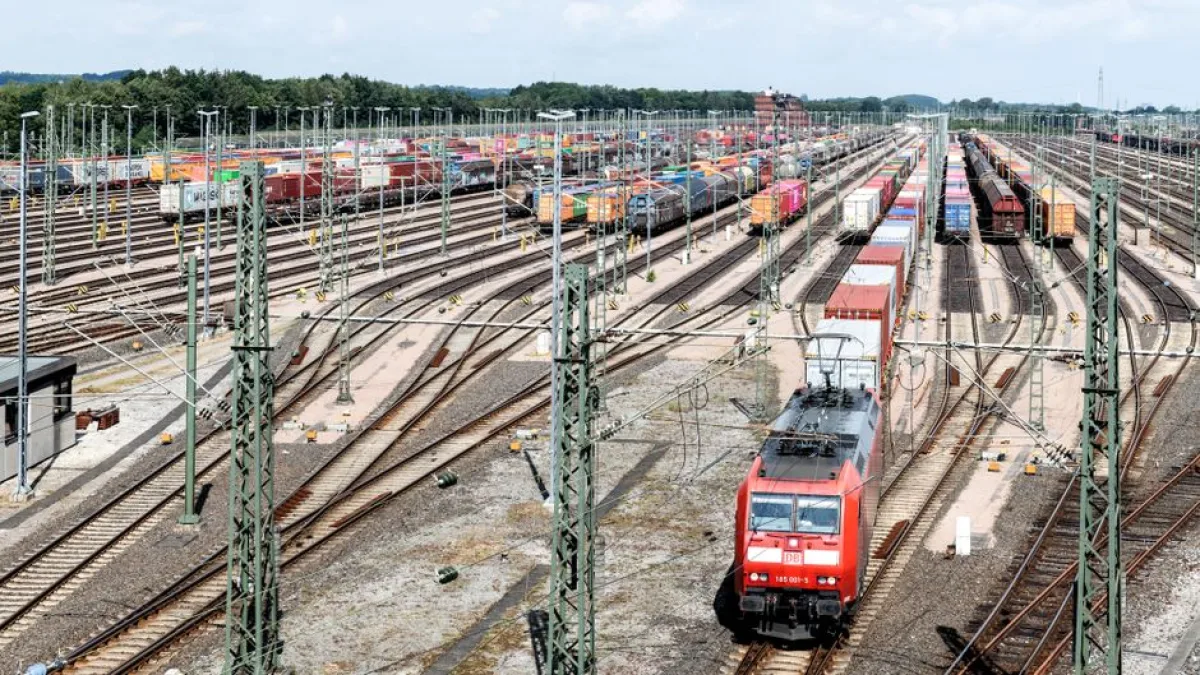
Transparency has become the primary metric by which shippers measure the success of their freight forwarders. Integrating high quality GPS and carrier API tracking tools gives your customers the granular visibility they require throughout the entire transport cycle.
- Carrier API Synchronization: Link directly with major ocean and air carriers to pull precise location updates into your dashboard, removing the need for manual check in requests.
- Custom Alert Notifications: Set up automatic triggers that notify your team and your clients whenever a shipment reaches a specific milestone or experiences an unexpected transit delay.
- Proactive Exception Management: Identify potential bottlenecks or weather related disruptions early by monitoring your active shipments through integrated intelligence platforms that predict and highlight possible delivery risks.
- Client Portal Transparency: Grant your shippers access to a self service tracking portal that showcases their active shipments, reducing the volume of status inquiries to your desk.
- Historical Performance Analytics: Analyze previous shipment data to identify trends in carrier performance or transit times, allowing you to make data-driven decisions for future bookings and routing.
Providing real-time tracking transforms the relationship between the forwarder and the shipper from a transactional one into a deep partnership based on clarity. When customers can see exactly where their goods are, their anxiety decreases and their satisfaction scores rise. This level of openness builds deep institutional trust, helping you retain existing clients while establishing a reputation for operational excellence in the market.
Advanced Financial Reporting

Managing the financial health of your freight forwarding business requires more than basic bookkeeping. Integrated reporting tools help you track profitability by lane, client, or service type to optimize your margins and maintain a sustainable growth trajectory.
- Automated Profit Analysis: Generate detailed reports that calculate the exact margin for each individual shipment by automatically aggregating all revenue streams and associated operational cost components.
- Cash Flow Management: Keep a close watch on accounts receivable and payable with integrated financial alerts that remind you of upcoming deadlines and pending payments from clients.
- Currency Conversion Tools: Process invoices involving multiple international currencies with built in tools that automatically apply current exchange rates for accurate and fair financial reconciliation tasks.
- Custom Financial Dashboards: Visualize your core business metrics through intuitive graphical interfaces that highlight your most profitable routes and alert you to underperforming service areas in real.
- Integrated Accounting Exports: Export your finalized shipment data directly into your primary accounting software to maintain accurate records without the need for redundant double entry work.
Advanced reporting capabilities empower you to make informed decisions that directly improve your bottom line performance. By understanding the true cost of every route and service, you can negotiate better rates with carriers and offer more competitive pricing to your valued shippers. This financial rigor is the backbone of a resilient forwarding company that thrives despite the inherent volatility of global trade.
Conclusion
Technology remains the greatest lever for freight forwarders seeking to scale their operations in a digital world. By embracing unified ecosystems, automated workflows, granular tracking, and advanced financial insights, you position your business at the forefront of the industry. Start optimizing your digital strategy today to eliminate manual friction, reduce costly errors, and deliver the superior visibility your customers demand for every single shipment.