Optimizing Freight Forwarding Through Strategic Tech Integrations
Monday, September 7 2026
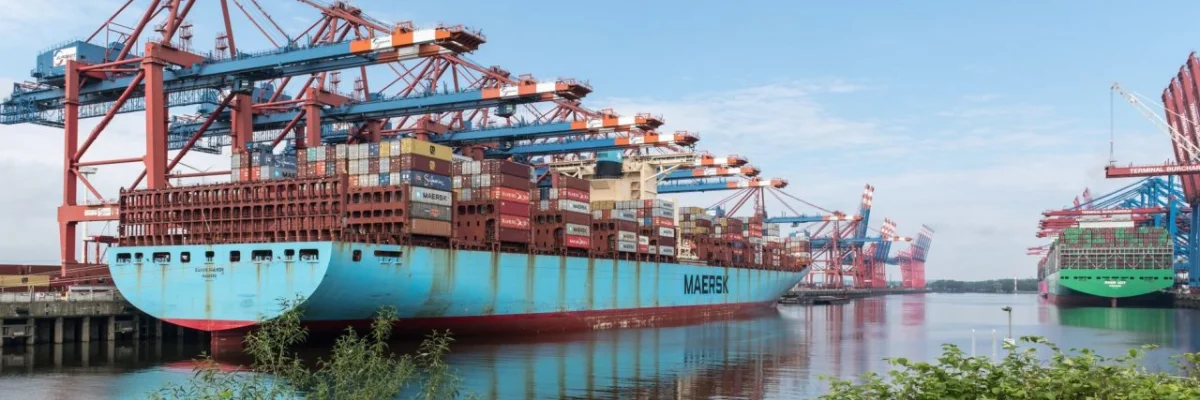
The global logistics landscape is undergoing a massive digital transformation that demands agility and precision from every freight forwarder. As client expectations for real-time visibility and seamless data flow continue to rise, relying on fragmented systems or manual spreadsheets is no longer a viable path to growth. Modern freight forwarding software platforms like MakeCargo serve as the central nervous system for your operations, connecting disparate workflows into one cohesive environment. By prioritizing strategic technology integrations today, your team can eliminate data silos, reduce human error, and unlock new levels of efficiency that drive sustainable profitability for your organization.
Seamless API Connectivity

Modern logistics platforms rely on robust application programming interfaces to facilitate smooth data exchange between carriers, customs authorities, and internal teams. Integrating these systems eliminates redundant data entry while ensuring that information remains accurate throughout the entire cargo lifecycle.
- Real-time data synchronization: Our platform ensures that updates from shipping lines or warehouses are immediately reflected in your dashboard, providing clients with precise information without the need for manual status checks.
- Automated documentation flows: Integrated systems automatically generate commercial invoices and packing lists using existing data, significantly reducing the administrative burden on your staff during the busy export process.
- Enhanced carrier communication: Direct API connections allow for instant booking requests and capacity checks, saving valuable hours that would otherwise be spent navigating third-party portals or phone calls.
- Reliable error reduction: Automated data transfers remove the risk of manual typos, ensuring that critical details like weight, dimensions, and port codes are perfectly consistent across all documents.
By shifting to an integrated API model, forwarders effectively bridge the gap between complex logistical requirements and software functionality. This move not only optimizes internal workflows but also improves the overall service quality provided to your clients. As you remove the friction associated with fragmented data, your team gains the freedom to focus on high-value tasks such as account management and strategic growth.
Scalable Cloud Infrastructure
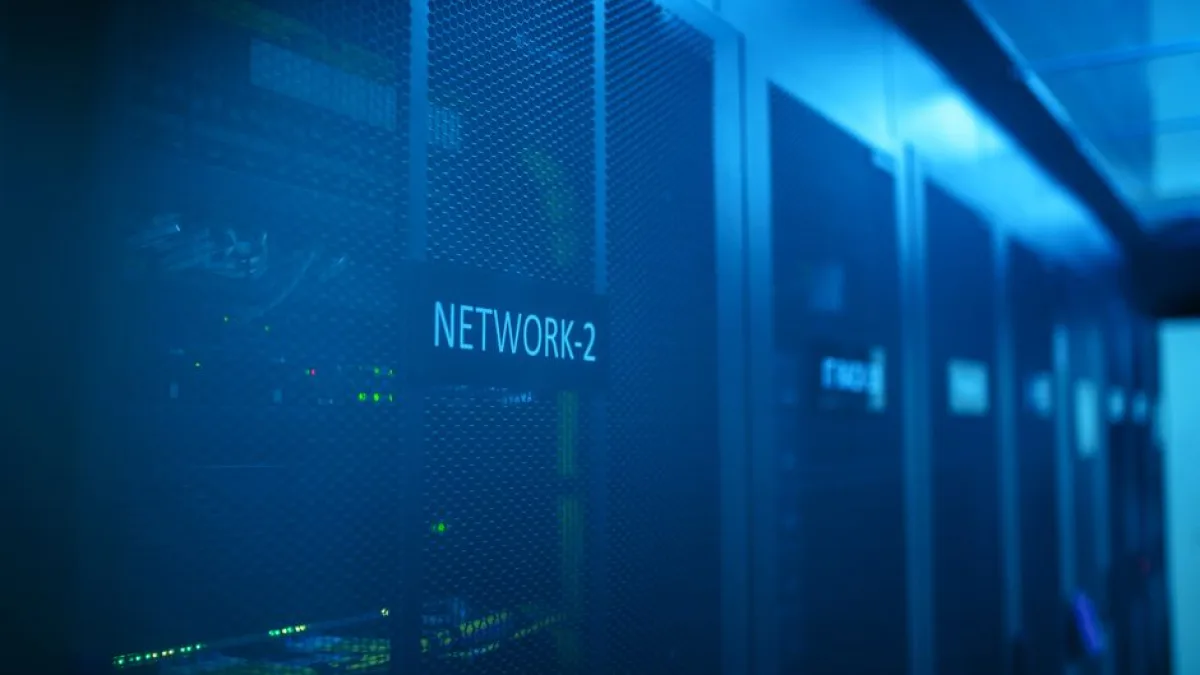
Cloud-based architecture provides the flexibility required to scale operations without the constraints of local hardware limitations. By hosting your freight operations in the cloud, you ensure that your data is accessible from anywhere while maintaining high security standards.
- Anywhere operational access: Staff members can securely access critical shipping files from home or remote branch offices, enabling a truly flexible workforce that maintains high productivity levels every day.
- Automatic security updates: Our cloud servers receive regular patches and security updates, protecting your sensitive business data from evolving digital threats without requiring manual intervention from your IT department.
- Unlimited storage capacity: Grow your business without worrying about hardware upgrades or server maintenance, as cloud systems expand effortlessly to accommodate your increasing volume of digital trade documents.
- Disaster recovery protection: Robust cloud backups ensure that your operational data remains safe and recoverable even in the event of local office disruptions or hardware failure, ensuring continuity.
Adopting a cloud-first approach is essential for any modern forwarder aiming to stay competitive in a fast-moving market. The ability to deploy resources rapidly and maintain a secure digital environment allows your company to handle fluctuations in volume with ease. Investing in cloud infrastructure today creates a stable foundation that supports your long-term success and adapts to your expanding global business needs.
Automated Financial Workflows

Financial reconciliation in freight forwarding is often prone to delays and errors when handled manually. Automating your accounting processes through software integrations links operational milestones directly to your ledger, ensuring timely invoicing and improved cash flow management across shipments.
- Automated billing cycles: Systems trigger invoices based on actual milestones reached in the shipping process, ensuring that your company gets paid faster and maintains a healthy cash position.
- Integrated expense tracking: Capture costs from various vendors instantly, allowing for accurate profit analysis on every individual shipment handled by your team throughout the fiscal year.
- Currency management tools: Advanced software handles multi-currency invoicing with live exchange rate updates, eliminating the complexity of manual conversions during the billing process for your international clients.
- Simplified audit trails: Maintain a complete history of every financial transaction within the software, making it incredibly easy to prepare for audits or internal financial performance reviews.
Automated finance tools transform the way you approach profitability and account management. By removing the guesswork from your billing cycle, you gain a clear view of your margins and can make data-driven decisions that impact your bottom line. Integrating these financial workflows into your primary software is the most effective way to maintain accuracy and reliability in all your accounting activities.
Advanced Analytics Reporting

Data is the most valuable asset for a freight forwarder, yet it remains underutilized if not converted into actionable insights. Powerful reporting tools allow you to track performance metrics and identify trends that help guide your future business strategy.
- Customizable performance dashboards: Create personalized views that highlight key performance indicators, such as transit times or operational costs, allowing your management team to monitor company health effortlessly.
- Predictive shipping trends: Use historical data to anticipate seasonal capacity fluctuations, enabling you to secure space with carriers well in advance and keep your clients informed at all times.
- Operational efficiency mapping: Identify bottlenecks in your current processes by analyzing time-stamped logs, providing the evidence needed to refine your workflows and increase the speed of your service.
- Client reporting tools: Generate professional and detailed performance reports for your high-value customers, demonstrating the tangible value you provide while strengthening your long-term business partnerships through transparency.
Leveraging advanced analytics shifts your focus from reactive management to proactive planning. When you understand the underlying patterns of your logistics operations, you can optimize routes, negotiate better carrier rates, and provide superior service levels that set you apart from competitors. Make data your primary guide by integrating robust reporting features that turn everyday shipment information into clear, strategic growth opportunities.
Conclusion
Transforming your freight forwarding business through strategic technology integration is the ultimate catalyst for success in a competitive global market. By connecting your operations, finance, and data analytics into one powerful software ecosystem, you simplify complexity and empower your staff to deliver exceptional value. Start your digital journey with MakeCargo today to ensure your company remains agile, profitable, and ready for future growth.