Optimizing Freight Forwarding Through Strategic Tech Integrations
Thursday, September 10 2026
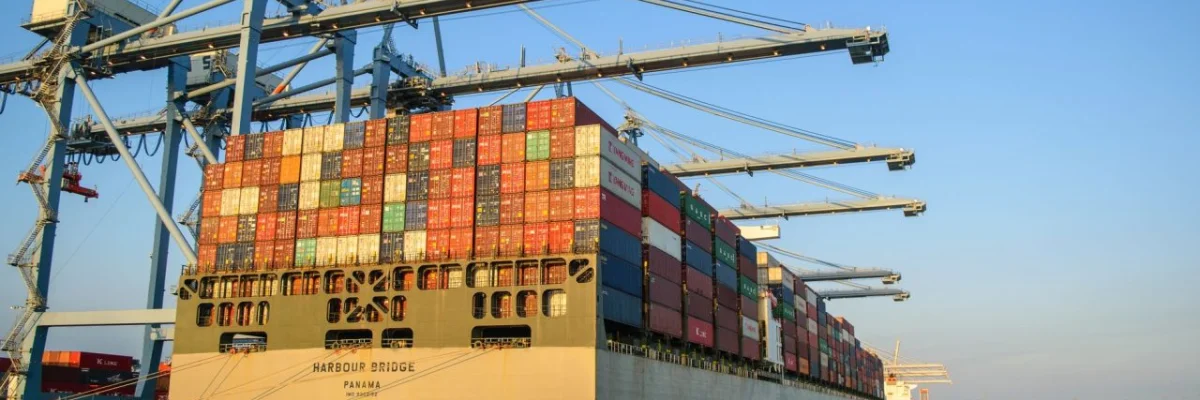
Modern freight forwarding is undergoing a rapid digital transformation where manual processes are being replaced by high-speed automation. For professionals navigating the complexities of global supply chains, integrating advanced software is no longer a luxury but a fundamental necessity for survival. By connecting disparate systems into a unified platform like MakeCargo, forwarders can achieve unprecedented levels of visibility and operational efficiency. This shift towards a cloud-native architecture allows companies to scale effectively while reducing overhead costs. Embracing these technological advancements empowers teams to focus on strategic client relationships and complex logistics problems rather than spending hours on repetitive data entry tasks.
API-Driven Data Exchange
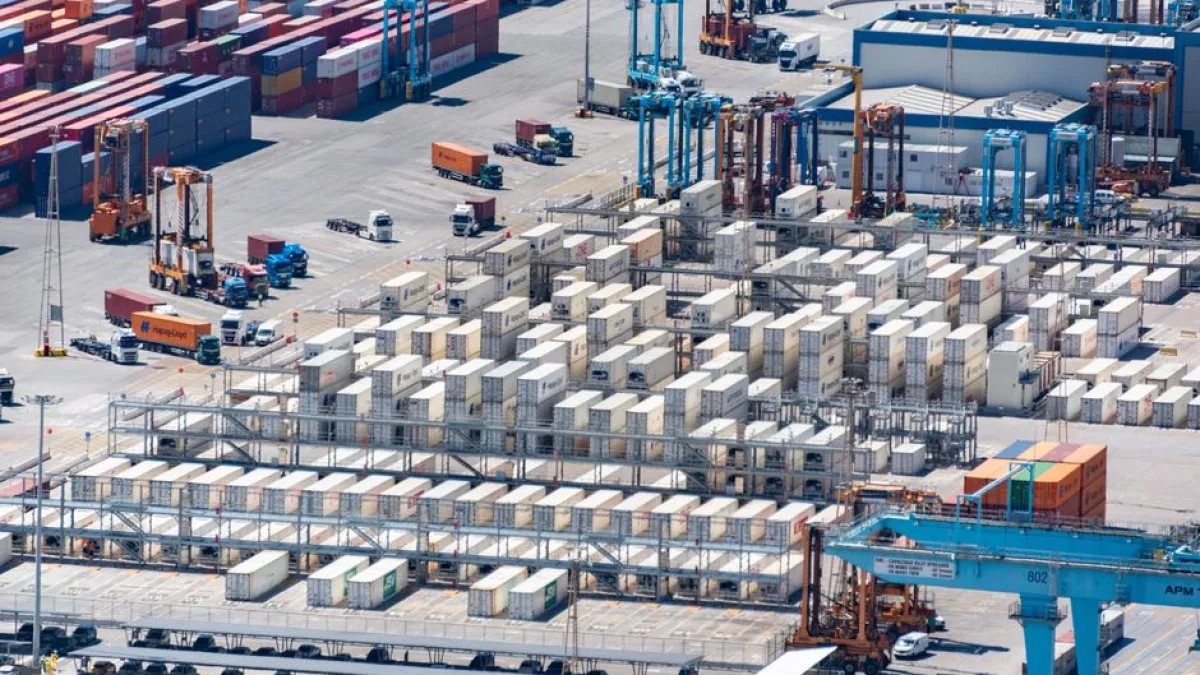
Application Programming Interfaces act as the digital bridge connecting your freight platform to carriers, customs authorities, and internal ERP systems. This real-time data flow ensures that every stakeholder remains informed, minimizing communication gaps and reducing errors inherent in manual updates.
- Seamless system connectivity: APIs enable your logistics software to talk directly with shipping lines and trucking fleets, eliminating the need for fragmented spreadsheets and manual data input throughout your operations.
- Automated status tracking: Real-time tracking feeds provide constant updates on cargo location and milestone events, ensuring that your customers receive accurate and timely information without extra manual effort.
- Customs compliance integration: Direct connections to government filing portals accelerate the documentation process, helping you avoid costly delays and ensuring that regulatory requirements are met with total precision.
- Financial data synchronization: Automated syncs between your freight software and accounting tools prevent reconciliation errors, ensuring that invoices are accurate and paid within your defined credit terms.
Integrating these systems creates a unified ecosystem where information flows without friction. When data moves autonomously between platforms, your staff can transition from being data managers to being logistics strategists. This transition not only boosts overall productivity but also improves the accuracy of every shipment record. By leveraging these powerful API connections, your firm establishes a competitive advantage that is difficult for traditional competitors to replicate.
Cloud-Based Operational Scalability

Transitioning to cloud platforms provides the flexibility needed to scale your operations rapidly. Unlike legacy on-premise hardware, cloud environments allow your team to access critical shipment documentation from anywhere in the world, facilitating true remote work and global collaboration.
- Anywhere remote access: Cloud-based systems ensure your logistics team has secure access to critical shipment files from any location, supporting distributed teams and enhancing your overall global service reach.
- Automated software updates: Cloud platforms push updates in real-time, meaning your team always works with the latest features and security patches without needing manual installation or downtime.
- Infinite storage capacity: Digital document management in the cloud eliminates the need for physical filing cabinets and provides instant retrieval for audits or long-term record keeping needs.
- High-level data security: Professional cloud environments offer robust encryption and disaster recovery protocols, protecting sensitive client information against data loss or unauthorized access better than local machines.
The move to the cloud is fundamentally about agility and future-proofing your forwarding business. By removing the physical constraints of local servers, you empower your staff to operate with speed and confidence. This structural change reduces maintenance burdens on your IT department while simultaneously providing your clients with a modern, responsive service experience that meets the demands of today's fast-paced international market.
Automated Workflow Management

Manual document handling and repetitive administrative tasks drain time and resources from your core business objectives. Workflow automation tools within modern logistics platforms identify these bottlenecks and execute routine tasks, allowing human talent to address exceptions and complex supply chain challenges.
- Smart document processing: Automated extraction tools capture key information from commercial invoices and packing lists, significantly reducing the time your clerks spend manually entering critical shipment data details.
- Dynamic task assignment: Intelligent routing software automatically assigns tasks to specific agents based on their expertise, current workload, or time zone, ensuring efficient management of every single file.
- Proactive milestone alerts: Automated triggers notify your team and clients about pending deadlines or potential delays, allowing you to manage exceptions before they escalate into serious service issues.
- Standardized operational templates: Creating predefined workflows for specific shipment types ensures consistency across your entire organization, maintaining high quality standards even as your total volume of cargo grows.
Automation serves as the engine that drives your freight forwarding business forward. By delegating routine clerical tasks to intelligent software, you minimize the risk of human error while dramatically increasing your throughput capacity. This approach allows your business to grow without requiring a linear increase in staff size. Ultimately, automation transforms your operations into a high-performance machine that consistently delivers value to clients.
Predictive Analytics for Logistics

Turning raw shipping data into actionable intelligence is the ultimate goal of any tech-forward logistics provider. Predictive analytics tools help freight forwarders anticipate market shifts, manage carrier performance, and provide deeper visibility into the health of their clients supply chains.
- Carrier performance scoring: Analytics dashboards track carrier reliability and transit times, empowering you to select the best shipping partners based on actual historical data rather than simple guesswork.
- Cost forecasting accuracy: Predictive models analyze past expenses to help you provide more accurate quotes to your clients, which protects your profit margins in volatile market conditions.
- Demand pattern identification: Recognizing seasonal shipment trends allows your team to anticipate peak volumes, enabling proactive capacity planning and superior service delivery during busy global trade periods.
- Financial health monitoring: Visual reports highlight your most profitable trade lanes and accounts, allowing management to make data-driven decisions regarding business growth and strategic resource allocation efforts.
Harnessing the power of your own data turns every shipment into a learning opportunity. Instead of reacting to past problems, you can begin to forecast future needs and optimize your logistics strategy accordingly. This foresight allows you to act as a consultant to your clients, building trust and loyalty. Data remains your most valuable asset when it is used correctly to drive decisions.
Conclusion

Successful integration of freight forwarding technology requires a clear strategy and the right digital partner. By focusing on API connectivity, cloud scalability, automated workflows, and predictive analytics, you can build a resilient logistics operation. MakeCargo supports these goals by providing a robust platform tailored to modern industry needs. Start your digital evolution today to ensure your forwarding business remains competitive and highly efficient.