Optimizing Freight Forwarding Through Strategic Tech Integrations
Friday, September 11 2026
The global logistics landscape is undergoing a massive transformation driven by digital innovation and the demand for real time visibility. Modern freight forwarders face increasing pressure to balance efficiency with complex cross border regulations and shifting customer expectations. By leveraging cloud based platforms, companies can automate routine tasks, reduce human error, and facilitate seamless data exchange between partners. Adopting sophisticated software solutions is no longer just a competitive advantage but a fundamental necessity for survival. This article explores how strategic technology integrations empower forwarders to scale operations, optimize workflows, and deliver superior service in an increasingly volatile global supply chain environment.
The Power of Automated Data Exchange

Digital transformation relies heavily on automated data exchange to eliminate manual entry errors. By connecting diverse systems through robust APIs, forwarders ensure that critical shipment data flows seamlessly across carriers, customs brokers, and end customers without any human intervention or delays.
- Seamless API Integration: Modern platforms utilize advanced application programming interfaces to link your core systems directly with carrier networks for instant, accurate updates regarding container movements and transit status.
- Reduced Manual Entry: Automation tools extract vital information from documents, drastically lowering the risk of costly typos and administrative backlogs that often plague traditional freight forwarding operations and workflows.
- Standardized Data Formats: Implementing universal data structures allows disparate software systems to communicate effectively, ensuring that every stakeholder views the exact same shipment details in real time.
- Improved Data Accuracy: Automated validation rules catch discrepancies during the initial data entry phase, preventing errors from propagating through your billing, documentation, and operational management life cycles.
Adopting automated data exchange acts as the foundation for a truly agile business model. By removing the friction of manual reporting, your team can focus on solving complex logistical challenges rather than correcting simple clerical mistakes. This shift empowers employees to take proactive roles in service delivery, ultimately building stronger trust with clients who demand precision and reliability from their freight forwarding partners every single day.
Enhancing Real Time Shipment Visibility
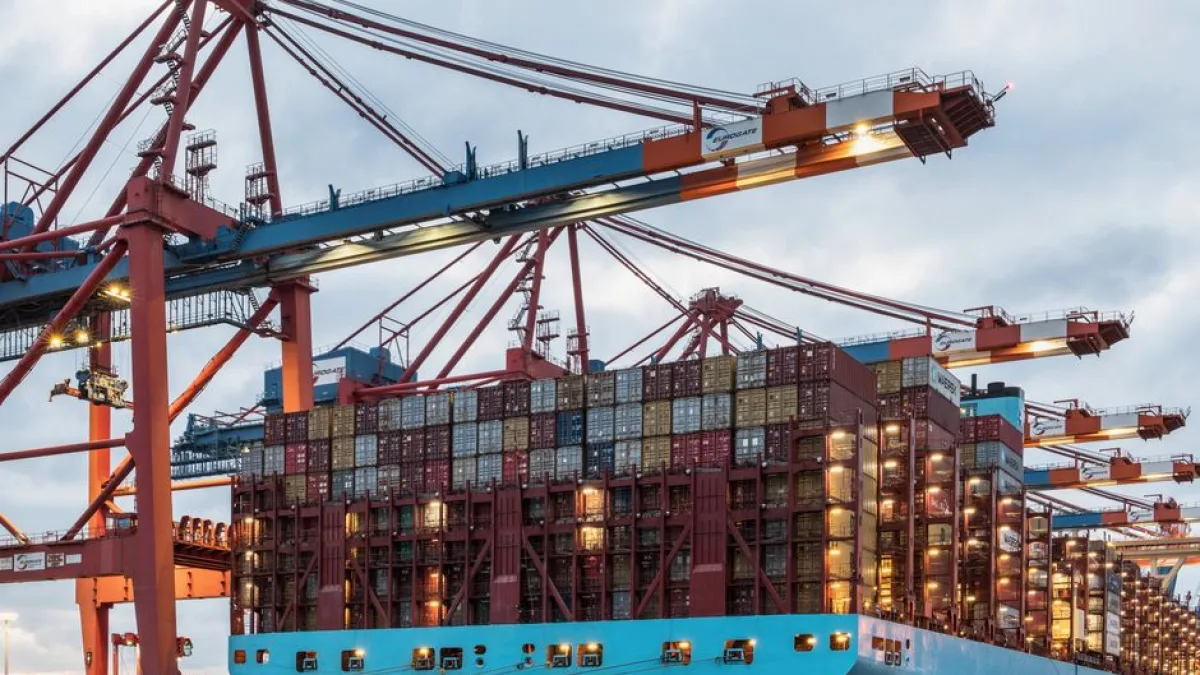
Visibility is the top priority for modern shippers who require granular updates on their goods. Advanced tracking integrations provide a unified view of the entire supply chain, allowing forwarders to anticipate potential bottlenecks and communicate status changes to clients immediately.
- End to End Tracking: Integrated systems monitor cargo from departure to final delivery, providing a comprehensive view of the supply chain that satisfies the demands of high value customers.
- Proactive Exception Management: Advanced software alerts your team to potential transit delays or customs issues as they occur, enabling rapid response plans that protect your clients shipment schedules.
- Customer Self Service Portals: Providing clients with secure access to their own data via customized dashboards increases transparency while simultaneously reducing the volume of status update inquiries received.
- Carrier Performance Analytics: Monitoring data across multiple providers helps you identify which partners consistently meet delivery targets, allowing for data driven decisions when selecting your future logistics vendors.
Providing exceptional visibility transforms your service from a commodity into a premium experience. When clients can access their shipment status at any time, they feel more confident in your capabilities. This level of transparency prevents unnecessary communication overhead and allows your operations team to manage by exception. Investing in high quality visibility tools positions your brand as a reliable partner in global trade.
Streamlining Documentation and Compliance

Managing complex international documentation is one of the most time consuming aspects of freight forwarding. Cloud based integrations simplify this process by centralizing digital filing, automating form population, and ensuring that all trade compliance requirements are met with precision.
- Automated Document Generation: Intelligent software templates pull data directly from your shipment files, creating bills of lading and commercial invoices in seconds to ensure absolute operational efficiency levels.
- Compliance Database Synchronization: Real time updates from global regulatory bodies ensure that your internal systems always reflect the current rules regarding dangerous goods, tariffs, and cross border restrictions.
- Secure Cloud Archiving: Digital document storage ensures that all your sensitive business records remain organized, protected, and easily retrievable during audits or when customer disputes require immediate proof.
- Digital Signature Integration: Replacing wet ink signatures with secure digital versions accelerates the approval process, allowing documents to move through the supply chain with zero physical paper friction.
Handling documentation digitally is a significant step toward modernizing your firm. By integrating compliance tools, you minimize the risk of fines and shipment seizures that occur due to missing or incorrect paperwork. This reliability not only saves significant administrative time but also enhances your professional reputation. Focusing on digital compliance is essential for any forwarder aiming to operate safely and efficiently today.
Maximizing Financial and Operational Efficiency

Technology integrations are critical for managing the financial health of a forwarder. By connecting operations with accounting modules, companies gain better control over profitability, invoice processing speeds, and overall cash flow management across all global service routes and regional operations.
- Integrated Billing Cycles: Automatically generating invoices as soon as milestones are reached improves cash flow and eliminates the lag time typically associated with manual accounting and billing processes.
- Real Time Profit Analysis: Monitoring expenses and revenues per shipment allows for instant identification of unprofitable lanes or services, providing actionable insights to optimize your pricing strategies effectively.
- Automated Vendor Reconciliation: Matching carrier invoices against expected costs reduces discrepancies, helping your finance team reconcile payments quickly and maintain healthy relationships with your core logistics partner network.
- Scalable Cloud Infrastructure: Cloud platforms grow alongside your business, allowing you to add new users or regions without the need for massive hardware investments or complex system migrations.
Optimizing financial workflows is the key to sustainable growth. When operations and finance teams share the same data, billing disputes drop significantly, and the speed of payment increases. This integration provides a clear picture of your actual costs, which is vital for maintaining competitive margins. Relying on cloud based tools ensures your operations remain agile, scalable, and profitable in a demanding market.
Conclusion

Integrating technology into your freight forwarding business is the most effective way to improve operational efficiency and client satisfaction. By focusing on automation, visibility, compliance, and financial health, you create a robust system that can withstand the challenges of modern global trade. Start small by prioritizing the most painful manual processes and expand your digital ecosystem to stay ahead of the competition.