Optimizing Freight Forwarding Through Strategic Tech Integrations
Saturday, September 12 2026
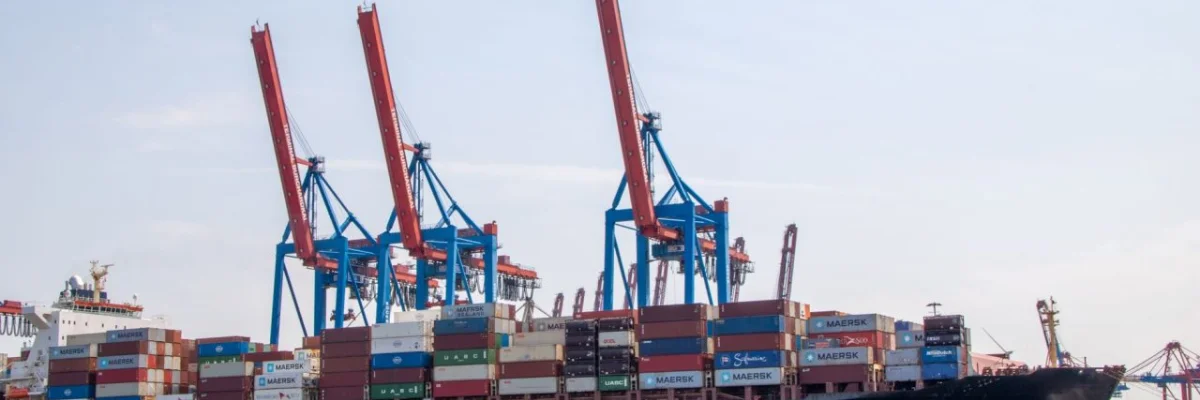
The global logistics landscape is undergoing a massive transformation driven by the necessity for real-time visibility and operational agility. Freight forwarders are increasingly moving away from disconnected legacy systems toward unified cloud platforms that facilitate seamless data flow. By integrating specialized software solutions, companies can eliminate manual entry errors, reduce processing times, and enhance the overall customer experience. As market demands become more complex, adopting a robust digital infrastructure is no longer a luxury but a fundamental requirement for staying competitive. This evolution enables logistics professionals to focus on high-value strategic decision-making while automation handles the repetitive daily tasks of shipping management.
Centralized Data Architecture

A centralized data platform acts as the brain of your logistics operation, pulling fragmented information into a single interface. This architectural shift eliminates data silos and provides teams with a single source of truth for every shipment across all carrier networks.
- Real-time data synchronization: Our platform ensures that every status update from carriers is reflected instantly, allowing your team to respond proactively to potential delays or exceptions without manual checking.
- Unified client portals: Providing your customers with a branded portal allows them to track their shipments independently, significantly reducing the volume of status inquiries handled by your operations staff.
- Standardized reporting tools: Advanced analytics modules convert raw logistics data into actionable business intelligence, helping you identify performance bottlenecks and optimize your supply chain costs over the long term.
- Automated document management: Storing all shipping documentation in a secure cloud environment eliminates paper waste and allows for rapid retrieval during customs audits or internal compliance reviews.
By investing in a centralized architecture, your firm gains the clarity needed to navigate complex supply chain disruptions with ease. When every team member accesses the same live data, internal communication improves drastically. This transparency reduces the likelihood of costly errors and ensures that your clients receive accurate information every single time they interact with your business, fostering long-term trust and loyalty.
Automated Customs Compliance
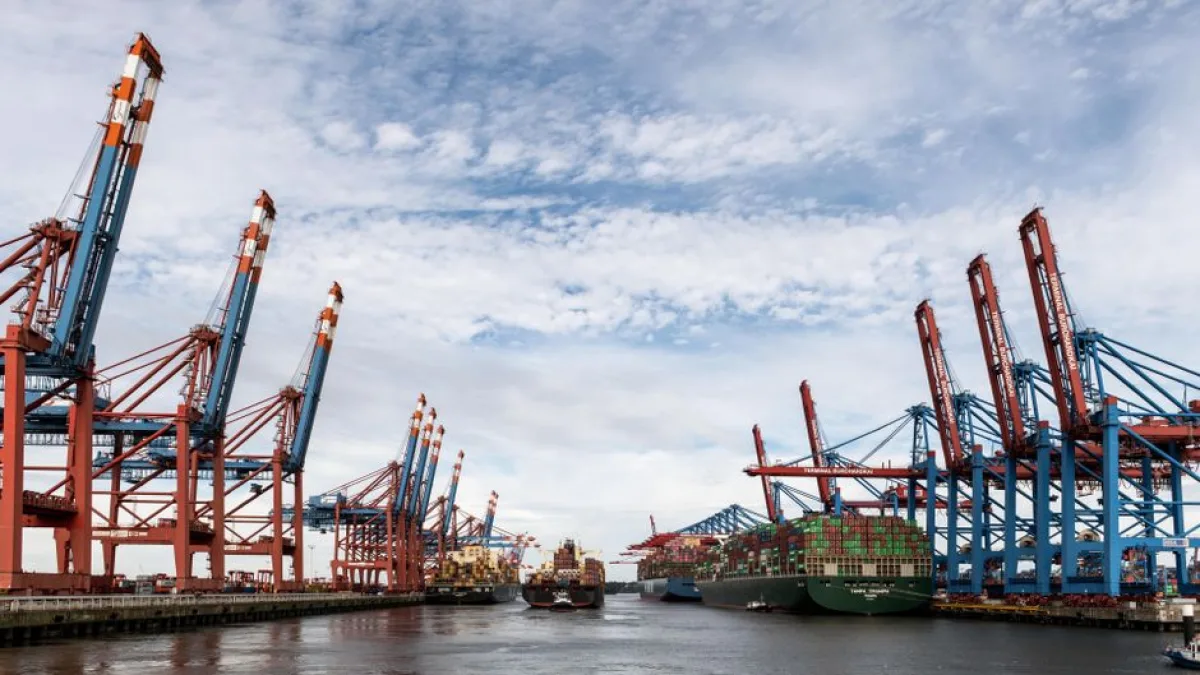
Automating customs documentation reduces the risks associated with human error and accelerates the clearance process. Integrated compliance engines validate data against international trade regulations before submissions are sent, ensuring your freight moves through borders without unnecessary stalls or legal complications.
- Automated tariff classification: Smart algorithms suggest the correct HS codes for your goods based on historical shipment data, which minimizes the risk of incorrect declarations and potential fines during inspections.
- Electronic data submission: Direct integration with government systems allows for the electronic filing of customs entries, which cuts processing time from days down to a matter of minutes.
- Compliance rule updates: Stay ahead of shifting trade policies with automated system alerts that update compliance parameters globally, ensuring your operations remain aligned with the latest legal requirements.
- Validation error alerts: Proactive notifications flag incomplete or incorrect shipping documentation before it reaches the authorities, providing you with time to rectify issues and avoid shipment holds.
Precision is the cornerstone of successful international trade, and automated tools are the most effective way to guarantee accuracy. By removing manual verification from the customs workflow, your staff can concentrate on handling complex exceptions that require expert judgment. This shift not only accelerates the transit speed of your cargo but also elevates your firm as a reliable and compliant global trade partner.
API-Driven Carrier Connectivity

Establishing direct API connections with your carrier partners bridges the gap between your internal software and external service providers. This high-speed digital handshake allows for a constant stream of information, ensuring that tracking, booking, and scheduling remain perfectly aligned at all times.
- Seamless booking requests: Direct integration allows your platform to send booking requests directly to carrier systems, bypassing inefficient email chains and web portal logins for your shipping team.
- Dynamic rate retrieval: Fetch live pricing and transit time options from multiple carriers instantly, empowering your team to select the most cost-effective and efficient routes for clients.
- Automated status updates: Receive instant push notifications for container milestone events, which ensures your clients are always informed about the exact status of their cargo without manual intervention.
- Digital invoice reconciliation: Automatic matching of carrier invoices against original bookings ensures that your billing remains accurate, preventing overcharges and reducing the time spent on financial auditing tasks.
Transitioning to API-based connectivity transforms how your business interacts with the broader logistics ecosystem. Instead of reacting to carrier data as it arrives, your team functions in a state of constant, proactive awareness. This level of digital sophistication helps you negotiate better rates and deliver superior service. By automating the communication layer, you turn carrier relationships into a powerful driver for growth.
Scalable Cloud Infrastructure

Scalability is vital for freight forwarders planning for long-term expansion in a volatile market. Cloud-based software offers the flexibility to scale your computing resources up or down, ensuring that your tech stack keeps pace with your company growth and fluctuating shipping volumes.
- Rapid user onboarding: Adding new team members or branches to a cloud environment takes seconds, allowing you to expand your physical footprint without the burden of hardware installation.
- Geographic flexibility: Access your entire shipping dashboard from anywhere in the world with an internet connection, supporting remote work and global teams with ease and security.
- Continuous system updates: Managed cloud providers push software improvements and security patches automatically, so your team always works with the latest features without undergoing complex system migrations.
- Data redundancy measures: Cloud storage includes automated backups, protecting your critical shipping records from hardware failures, cyber threats, or natural disasters that could otherwise halt your operations.
A scalable cloud foundation provides the stability your company needs to pursue new markets without technical limitations holding you back. As your cargo volume scales, your infrastructure grows with you automatically. This allows you to focus on strategy and client acquisition rather than managing server hardware. Choosing a resilient cloud partner ensures your operations remain robust, secure, and ready for any future challenges.
Conclusion

Mastering the integration of modern technology is essential for any forward-thinking freight forwarder. By centralizing data, automating compliance, connecting with carriers through APIs, and utilizing scalable cloud infrastructure, your business will achieve unprecedented operational efficiency. Start your digital transformation today to outpace the competition and deliver exceptional service. Reach out to MakeCargo to learn how our cloud platform can modernize your specific freight forwarding operations.