Optimizing Freight Forwarding Through Strategic Tech Integrations
Sunday, September 20 2026

The modern logistics landscape is evolving at a breakneck pace, demanding more than just manual data entry to maintain a competitive edge. Freight forwarders are increasingly shifting toward cloud-based software platforms to automate workflows, minimize errors, and deliver superior customer experiences. By centralizing operations, companies can eliminate data silos and bridge the gap between disparate systems. Leveraging technology integrations is no longer a luxury for industry leaders but a fundamental requirement for operational resilience. This transformation empowers teams to focus on high-value logistics challenges while letting sophisticated digital tools handle the repetitive tasks that typically slow down international supply chain growth.
Seamless Data Connectivity

Real-time data exchange forms the backbone of efficient freight forwarding, ensuring that every participant in the supply chain remains updated. Modern integrations allow for smooth communication between your forwarding platform and external partners, reducing latency and manual verification burdens significantly.
- Automated Data Sync: Real-time synchronization between your freight platform and carrier systems ensures that all shipment details remain accurate without requiring repetitive manual input from your staff.
- Reduced Error Rates: By utilizing automated data mapping, you eliminate human intervention during documentation transfers which drastically decreases the occurrence of costly customs or transit errors.
- Instant Status Updates: Integration tools push status changes directly into your dashboard so you can provide clients with transparent tracking updates without requesting manual reports.
- System Interoperability Layers: Modern API connections allow disparate legacy systems to communicate effectively, creating a unified digital environment that supports growth rather than hindering your daily operational processes.
Achieving this level of connectivity transforms how your business operates by removing the friction often associated with legacy manual processes. When information flows freely across your tech stack, your team gains the ability to identify potential bottlenecks before they impact your clients. This proactive management style fosters deeper trust with partners, solidifying your position as a reliable, data-driven leader within the global logistics marketplace.
Optimized Carrier Management
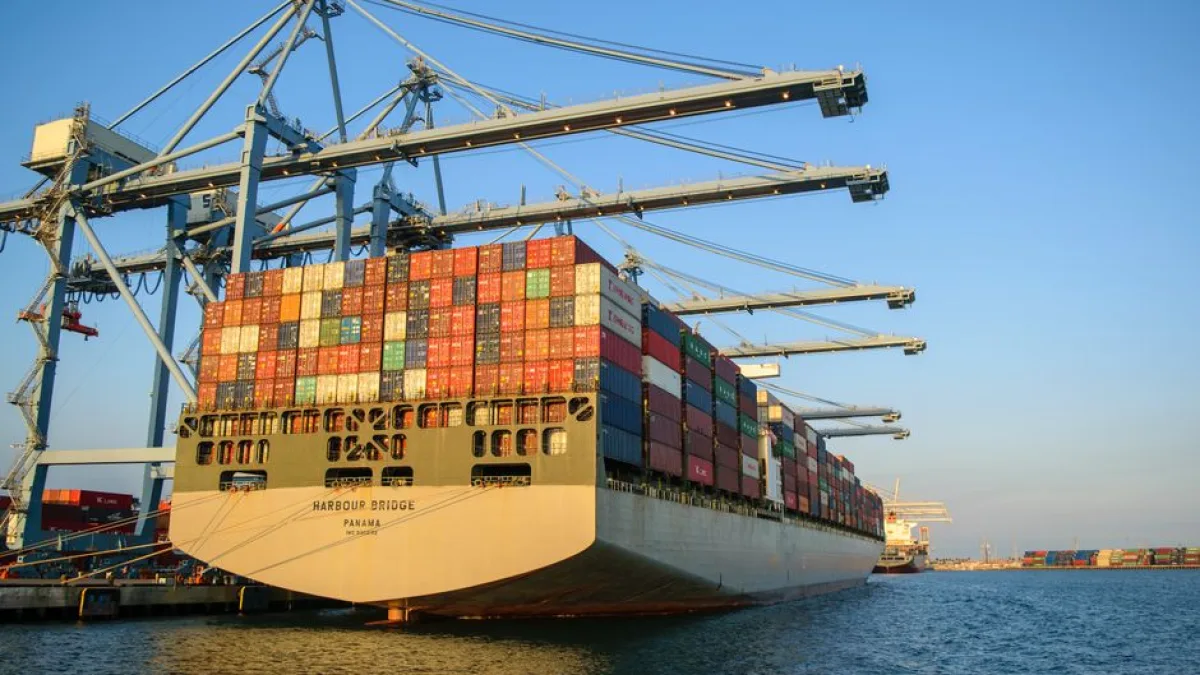
Managing multiple carrier relationships manually creates administrative overhead that distracts from core shipping activities. Integrated software modules enable freight forwarders to streamline carrier communication, automate scheduling, and optimize rate comparisons to ensure the most cost-effective and efficient shipping routes are chosen.
- Dynamic Rate Comparison: Software tools automatically fetch and compare live quotes from your entire network of partners, allowing you to secure the best pricing for every shipment.
- Carrier Portal Integration: Directly connecting to carrier portals enables your team to book space and manage documents within a single workspace, saving significant time during peak periods.
- Automated Schedule Tracking: Automated systems monitor carrier schedules constantly and alert your team to delays immediately, allowing you to pivot shipment plans without any manual investigative effort.
- Centralized Documentation Access: Keeping all carrier documentation in one digital repository makes audits simpler and ensures that every team member can access vital files when necessary.
By streamlining carrier management, you allow your logistics team to dedicate their valuable time to strategic decision making rather than repetitive scheduling tasks. This optimized approach to vendor relations creates a scalable infrastructure that grows alongside your business. You will find that standardizing these interactions leads to improved response times, higher profitability per shipment, and a more robust network of international partners.
Enhanced Financial Accuracy

Financial operations represent the most sensitive aspect of freight forwarding, requiring extreme precision in billing, invoicing, and auditing. Integrating your forwarding software with accounting tools ensures that financial data remains consistent, compliant, and visible, minimizing the risk of revenue leakage across your operations.
- Automated Invoice Creation: Generate accurate freight invoices immediately upon shipment completion by pulling data directly from your logistics records to ensure no charges are ever missed.
- Real-time Currency Conversion: Automated systems handle complex international currency fluctuations in real-time, ensuring that your financial statements reflect accurate margins for every cross-border transaction executed.
- Integrated Payment Gateways: Secure payment processing tools allow your clients to pay invoices directly through your platform, which significantly improves your cash flow and reduces collection times.
- Automated Audit Trails: Digital logs track every financial change made within your system, providing full transparency for audits and maintaining strict compliance with global trade regulations.
Maintaining tight control over financial workflows is essential for protecting your bottom line in a low-margin industry. When your software handles the heavy lifting of billing and reconciliation, you minimize the risks associated with manual data entry errors. This level of financial transparency not only improves your internal cash management but also enhances client satisfaction through fast, reliable, and error-free invoicing processes.
Improved Customer Experience

Providing a top-tier customer experience requires consistent engagement and immediate access to information. By integrating customer-facing portals into your platform, you give clients the autonomy to track shipments and access documents, which builds loyalty and reduces the volume of repetitive support inquiries.
- Client Self-Service Portal: Empower your customers to log in and track their cargo status or download documentation independently, providing them with the professional transparency they demand.
- Automated Notification Alerts: Proactively notify your clients via email or text when shipments move between key milestones, ensuring they never have to chase you for vital updates.
- Instant Quote Requests: Allow registered clients to submit quote requests through your platform, which creates a structured internal lead and pricing process for your sales department.
- Digital Document Archive: Provide customers with secure access to their own history of bills of lading and commercial invoices, fostering a sense of partnership and long-term trust.
Focusing on the client experience is the ultimate differentiator in the freight forwarding industry today. By giving your customers the tools to manage their shipping needs independently, you demonstrate professional excellence and reliability. This high level of service reduces the administrative burden on your support staff while simultaneously increasing the overall value that your clients associate with your freight forwarding brand.
Conclusion

Embracing technology integrations is the most effective way to modernize your freight forwarding operations and prepare for future growth. By connecting data, carriers, finance, and customer service, you create a cohesive and highly efficient business model. Start evaluating your current software stack today to identify where automation can replace manual labor. Implementing these changes will ensure your organization remains competitive and profitable for years.