Optimizing Freight Forwarding Through Strategic Tech Integrations
Wednesday, September 23 2026
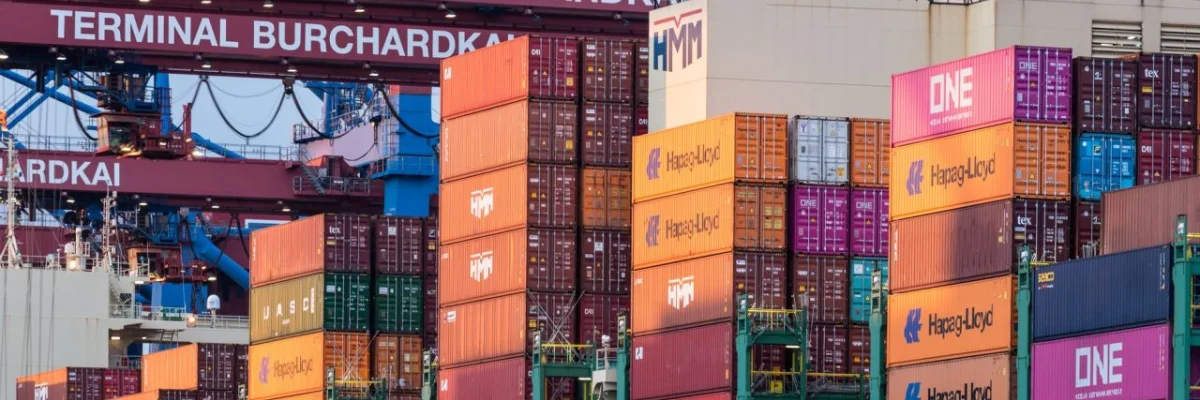
The modern logistics landscape demands unprecedented speed and transparency to keep global supply chains moving efficiently. As competition intensifies, freight forwarders are moving away from manual data entry and fragmented spreadsheets toward integrated cloud-based platforms. By connecting disparate systems like accounting, booking portals, and tracking services, companies can unlock real-time visibility into every shipment. Technology is no longer a luxury but a fundamental necessity for scaling operations and improving client satisfaction. Adopting a unified software ecosystem allows your team to focus on high-value decision making rather than repetitive administrative tasks, ensuring that your business remains resilient in a dynamic international market.
Automating Manual Documentation Workflows

Automating documentation is the first step toward reclaiming thousands of billable hours per year. By integrating automated optical character recognition tools directly into your workflow, you eliminate the high risk of human error associated with manual data entry tasks.
- Seamless Data Extraction: Advanced capture systems automatically pull critical information from invoices and packing lists, significantly reducing the time spent manually typing shipment details into your primary freight management software.
- Centralized Document Storage: Moving all paperwork into a cloud repository ensures that every team member can access the latest versions instantly, which prevents costly delays caused by lost or outdated files.
- Standardized Export Templates: Built-in generation tools create industry standard documents automatically, ensuring full compliance with customs regulations and reducing the likelihood of rejected paperwork during the critical clearance process.
- Real-time Validation Checks: Integrated systems perform instant checks against shipping databases to catch inconsistencies early, preventing potential disputes between carriers and clients before shipments leave the warehouse floor.
By shifting your team toward digital-first processes, you create a scalable infrastructure that thrives under heavy volume. Automation reduces the physical burden on your employees and improves overall data accuracy across every department. When your software handles the repetitive administrative burden, your staff gains the freedom to focus on complex logistics challenges and building stronger long-term relationships with your growing global customer base.
Enhancing Real-time Shipment Tracking

Visibility is the primary expectation for modern shippers who demand constant updates on their assets. Integrating live tracking APIs directly into your software platform allows you to provide accurate status reports without manually refreshing multiple carrier web portals.
- Live Status Updates: Connecting your freight platform to vessel and flight tracking feeds provides your clients with precise arrival times that update automatically as the global shipping conditions evolve.
- Proactive Exception Management: Automated notifications alert your operations team immediately if a cargo delay occurs, allowing you to inform customers early and propose alternative routing solutions before issues escalate.
- Unified Customer Portals: Providing clients with their own secure login to monitor their cargo prevents unnecessary phone calls and emails, which dramatically improves your service quality and brand reputation.
- Geofencing Alert Systems: Integration with warehouse monitoring tools allows you to receive instant updates when cargo reaches specific checkpoints, ensuring you know exactly where goods are at all times.
High-level visibility turns your forwarding service into a strategic partner rather than a simple shipping provider. By delivering transparent, minute-by-minute tracking data, you differentiate your brand in a crowded market. These technical integrations build deep trust with your clients, as they no longer need to wonder about the safety or location of their valuable freight throughout the long transit journey.
Integrating Accounting with Logistics Operations

Financial health depends on the smooth flow of data between your operations team and the accounting department. Direct integration ensures that every shipment cost is accurately tracked and billed to the correct client without any manual double entry.
- Automated Invoice Creation: System integrations automatically convert completed shipment data into professional invoices, ensuring that your billing cycle remains fast and your cash flow stays positive throughout the year.
- Direct Expense Reconciliation: Syncing your logistics platform with accounting software allows you to match carrier bills with client invoices, which effectively eliminates missing charges or costly billing discrepancies forever.
- Real-time Profit Analysis: Integrated dashboards calculate margins on every individual shipment in real-time, helping you identify which lanes or carriers offer the best financial returns for your company.
- Currency Exchange Automation: Modern software integrations automatically pull current exchange rates to provide accurate billing for international shipments, removing the burden of manual calculation from your talented accounting team.
Unified financial reporting provides you with the clarity needed to make data-driven business decisions for the future. When your logistics data speaks directly to your accounting software, you remove the barriers that typically lead to revenue leakage. This tight integration ensures that your profitability remains protected and your team maintains a clear view of your financial performance at all times during operation.
Scaling Through API Connectivity

Future-proofing your logistics business requires an open approach to software connectivity and platform expansion. Utilizing robust API connections ensures that your company can add new carriers, insurance partners, or custom modules as your specific operational needs continue to grow.
- Seamless Carrier Integrations: Building direct API connections to major steamship lines and airlines allows you to secure quotes and book cargo space without leaving your core software management platform.
- Custom Module Development: Modern cloud platforms support external plugins, enabling you to add specialized tools for customs clearance or warehouse management that fit your unique company workflow requirements perfectly.
- Rapid Partner Onboarding: API-driven connections allow your company to share data with new trade partners instantly, which accelerates the onboarding process and helps you expand into new shipping regions.
- Data Security Protocols: Established integration standards ensure that all sensitive shipment data is encrypted and transferred safely between systems, protecting your clients from cyber threats and data leaks.
Connectivity is the bridge that links your current success to future growth opportunities in the global trade market. By choosing software that prioritizes open API architecture, you guarantee that your internal processes will not become stagnant or outdated. This flexible strategy allows your company to adapt quickly to changing industry demands, ensuring that you remain competitive and highly efficient for years to come.
Conclusion

Technology remains the greatest asset for any forwarder aiming to increase operational efficiency and provide better customer experiences. By embracing integrated systems, you turn complex logistics workflows into streamlined, automated processes that save time and money. Start assessing your current software stack today to identify gaps where better integration can drive significant growth for your business and strengthen your position in the competitive freight market.