Optimizing Freight Forwarding Through Strategic Tech Integrations
Wednesday, September 30 2026
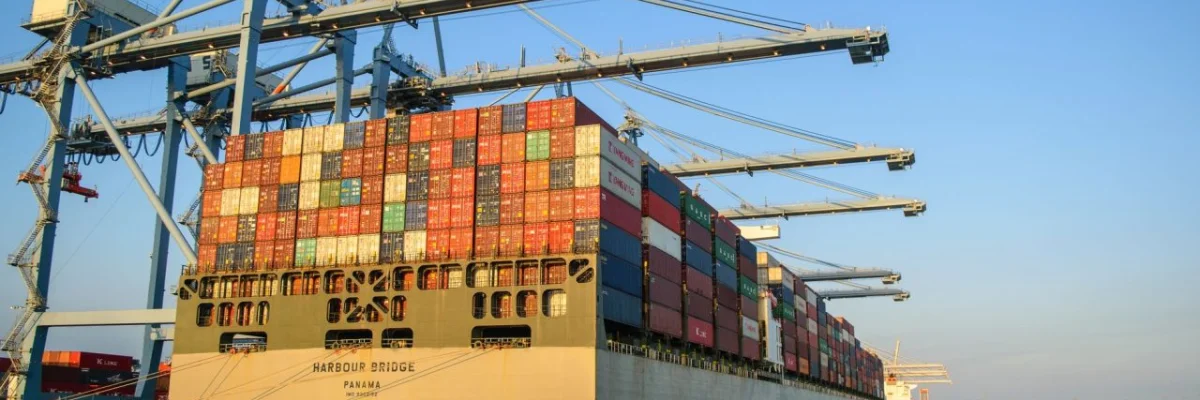
The freight forwarding industry is currently undergoing a massive digital transformation, moving away from manual data entry and fragmented communication channels. As global supply chains grow increasingly complex, professionals must leverage integrated cloud platforms to maintain a competitive edge. By consolidating operations into a single ecosystem, forwarders can eliminate data silos and improve transparency for their clients. Modern technology is not just an optional upgrade but a fundamental requirement for scaling logistics services in a volatile market. Adopting a unified platform allows teams to focus on strategy rather than repetitive tasks, ultimately driving efficiency and boosting overall profit margins across every shipment.
Unified Data Connectivity
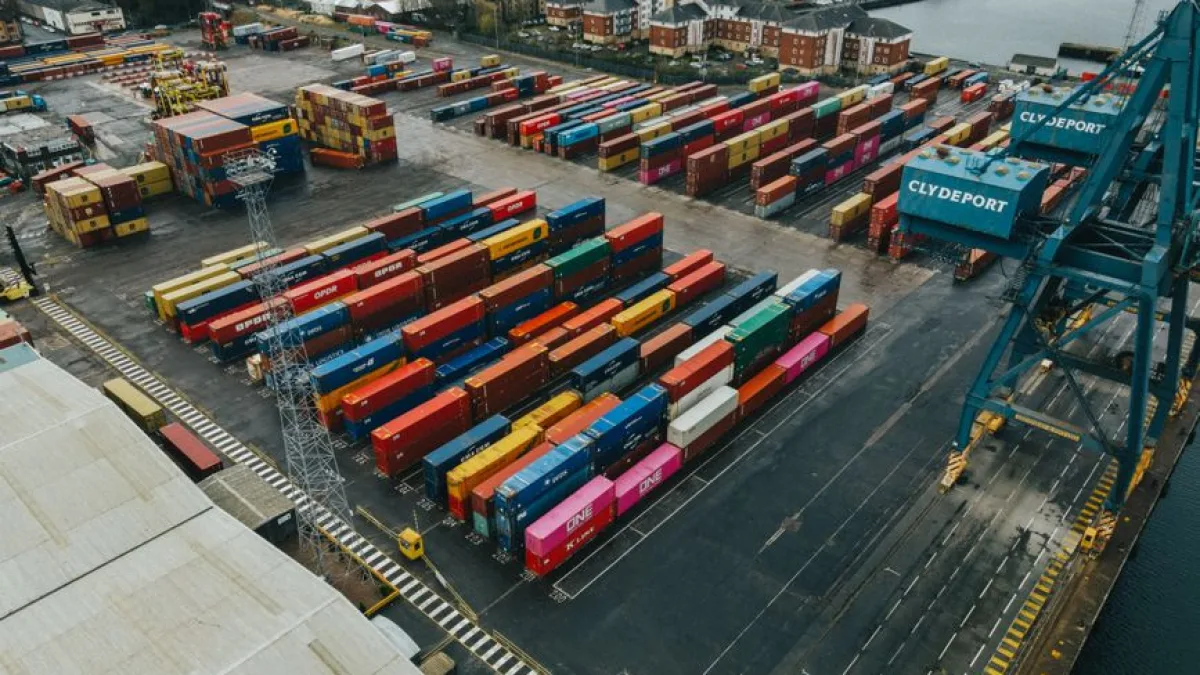
Connecting disparate systems remains a critical challenge for modern freight forwarders handling high volumes of documentation. Centralized platforms bridge the gap between carriers, customs authorities, and shippers to ensure that critical shipment details remain synchronized throughout the entire global journey.
- Seamless API Integration: Connect your existing software ecosystem to real time data streams that update shipment statuses automatically without requiring manual intervention from your back office logistics support staff members.
- Data Accuracy Improvement: Eliminate human error by utilizing automated data extraction tools that populate your shipping documents with verified information directly from commercial invoices and packing lists provided by clients.
- Real Time Visibility: Monitor every container movement through an integrated dashboard that displays live location data from multiple carriers across all ocean, air, and road freight transport routes worldwide.
- Automated Reporting Tools: Generate comprehensive analytics reports for your stakeholders using stored historical data to highlight cost saving opportunities and operational bottlenecks that require immediate attention from your management team.
Achieving total connectivity significantly reduces the time spent chasing updates across multiple carrier websites. By housing all project data within one secure cloud environment, your team gains a single source of truth that simplifies internal communication and external reporting. This unified approach prevents costly delays caused by miscommunication, allowing you to deliver a superior customer experience while reducing the administrative burden on your operations staff.
Cloud Based Scalability

Growing a logistics business requires infrastructure that can handle fluctuating shipment volumes without performance degradation. Cloud platforms offer the elasticity needed to expand operations during peak seasons while maintaining stable system speeds for all your remote and office employees.
- Dynamic Resource Allocation: Scale your operational capacity instantly by accessing cloud features that accommodate increased shipment demands during seasonal spikes without needing expensive hardware upgrades or complex local server maintenance.
- Global Access Anywhere: Enable your workforce to manage shipments from any location globally through secure cloud interfaces that support collaboration between international branches and remote partners in real time.
- Enhanced Security Protocols: Protect your sensitive client data with advanced encryption standards and automatic backups that prevent information loss during system outages or local hardware failures within your office.
- Flexible Subscription Models: Manage your software costs effectively by selecting scalable tiers that align with your current business size and growth trajectory instead of paying for unused software features.
Transitioning to cloud based infrastructure ensures that your business remains agile in an unpredictable global marketplace. When technology scales alongside your company, you avoid the common pitfalls of legacy systems that limit expansion. Providing your team with reliable, accessible, and high performing software allows for consistent service delivery, ensuring that your freight forwarding operations stay ahead of the competition regardless of market fluctuations.
Automated Workflow Efficiency

Manual processes are the primary cause of delays and increased operational costs in modern logistics environments. Automating routine tasks enables forwarders to handle more shipments per employee, transforming the daily workflow from reactive problem solving into proactive strategic management of cargo.
- Automated Document Generation: Create essential shipping documents like bills of lading and arrival notices instantly using system templates that pull data directly from your verified shipment database records.
- Instant Notification Alerts: Trigger automated email or platform alerts for clients and partners when shipment milestones are reached, ensuring that all parties stay informed without manual status updates.
- Workflow Task Assignment: Assign specific operational tasks to team members based on their roles and expertise to ensure that every shipment follows your standard operating procedure without exception.
- Exception Management Triggers: Receive automated alerts when a shipment deviates from its planned path, allowing your team to address potential delays before they escalate into major customer complaints.
Removing manual bottlenecks allows your logistics team to focus on high value activities like client relationship management and vendor negotiations. By automating documentation and task assignments, you reduce the time required to process a single file by significant margins. This efficiency shift drives higher throughput and improves your firm ability to manage complex logistics networks while maintaining a consistently high standard of service.
Customer Centric Digital Portals

Providing customers with a transparent view of their logistics chain is a powerful tool for building long term trust and retention. Digital portals offer a self service experience that empowers your clients to track their own goods and documentation.
- Self Service Tracking: Empower your clients to log in and view shipment statuses independently, which reduces the volume of status update requests sent to your internal customer service team.
- Centralized Document Access: Provide secure storage for invoices, customs declarations, and transport documents so clients can retrieve their files at any time without asking for email attachments.
- Interactive Client Feedback: Incorporate built in feedback loops that allow customers to rate their experience, providing you with actionable insights to improve your freight services and operational standards.
- Customizable Client Dashboards: Offer personalized interface views that prioritize the metrics most relevant to each specific client, fostering a sense of partnership and long term strategic value for them.
Digital portals transform the client experience from a series of disjointed emails into a cohesive, branded journey. When customers have instant access to their own data, they feel more confident in your ability to manage their supply chain. This transparency reduces overhead for your team while strengthening client relationships, making your freight forwarding services feel indispensable in an increasingly transparent and digital global marketplace.
Conclusion

Embracing integrated technology is the only path forward for freight forwarders aiming to survive and thrive in today's digital economy. By centralizing data, automating workflows, and providing transparent portals, your firm can achieve unprecedented operational efficiency. Evaluate your current software stack today and consider how a cloud based platform like MakeCargo can help you streamline operations, reduce human error, and grow your revenue.