Optimizing Freight Forwarding Through Strategic Tech Integrations
Friday, October 16 2026
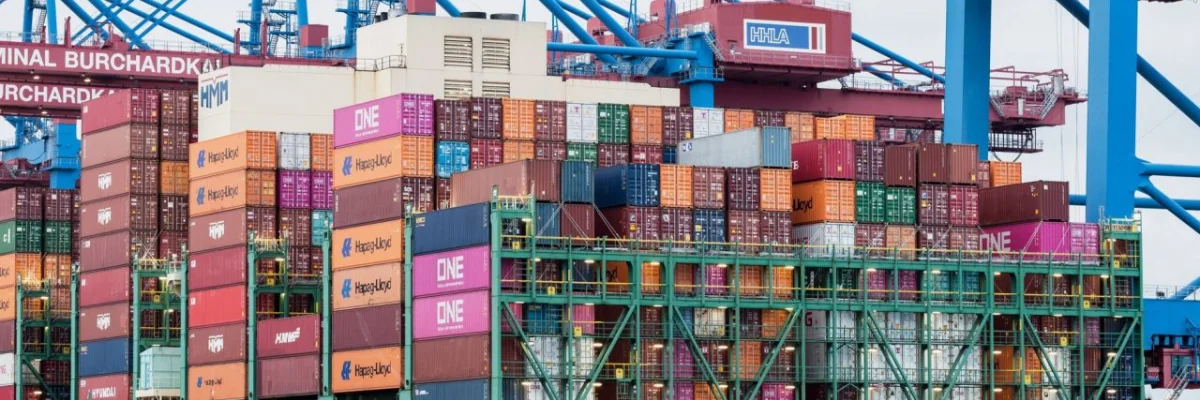
Modern freight forwarding is undergoing a profound transformation driven by rapid technological advancement and the demand for seamless data connectivity. As global supply chains become increasingly volatile, forwarders must move beyond manual processes to remain competitive. Cloud-based platforms provide the essential infrastructure needed to bridge the gap between fragmented logistics systems and real-time operational requirements. By integrating disparate tools into a unified digital ecosystem, logistics providers can enhance their agility, reduce administrative overhead, and deliver superior customer experiences. This article explores how strategic technology integrations serve as the backbone for scalable growth, operational efficiency, and long-term success in an industry where time and data accuracy are paramount.
Unified Data Management
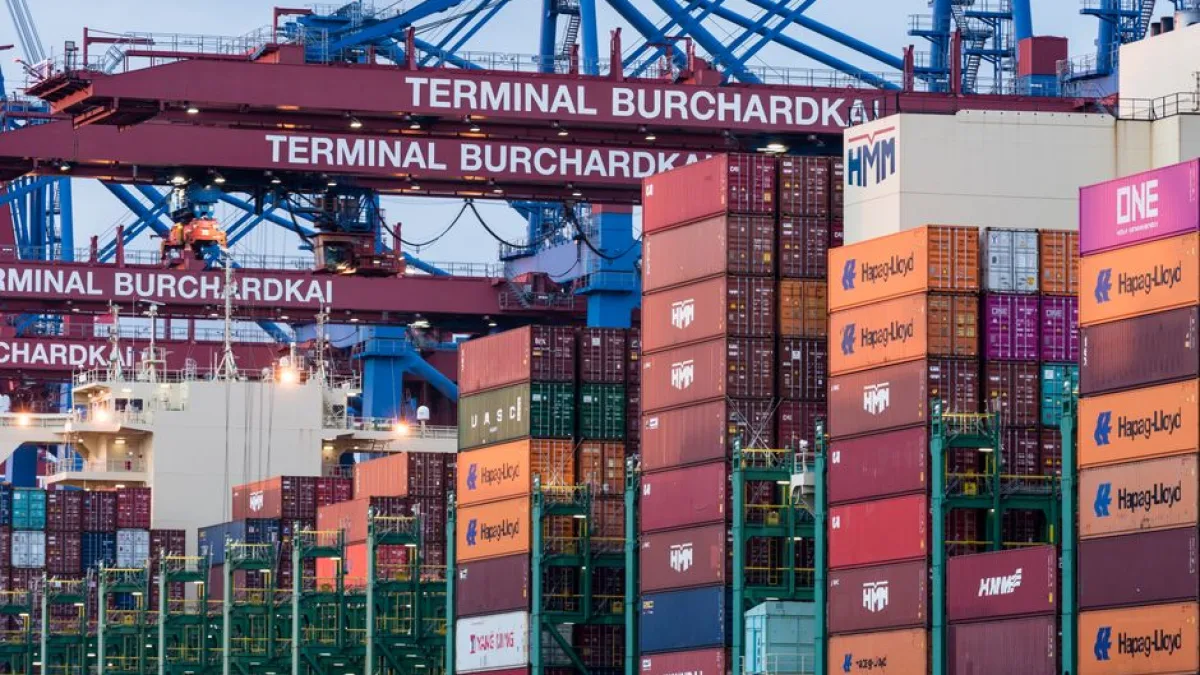
Centralizing data flows eliminates the persistent problem of information silos within logistics operations. By consolidating shipment status, customs documentation, and carrier interactions, forwarders can ensure that every stakeholder accesses a single source of truth to drive better decision-making processes daily.
- Improved Data Accuracy: Automated data entry features drastically reduce human error by syncing information directly from carrier portals into your central management system without requiring repetitive manual input tasks.
- Real-time Visibility: Integrated dashboards allow logistics coordinators to monitor shipments across multiple transit legs, providing instant updates that prevent unexpected bottlenecks and allow for rapid adjustments.
- Seamless Document Workflow: Digitizing paperwork through automated integrations ensures that customs declarations and bills of lading are stored securely and retrieved quickly during time-sensitive port inspections.
- Historical Trend Analysis: Access to unified data sets enables firms to identify recurring shipping delays and optimize future routing choices based on proven performance metrics from carriers.
Adopting a unified data management strategy creates a resilient foundation for modern logistics operations. By reducing the time spent hunting for documents or verifying shipment statuses, your team can focus on higher-value client relationship management. This digital transformation not only improves current workflows but also positions your freight forwarding business to handle larger shipping volumes with consistent precision and lower overhead costs throughout.
API-Driven Carrier Connectivity

Connecting your internal software directly to global carrier systems via robust APIs facilitates an automated exchange of critical shipping data. This eliminates the reliance on outdated manual updates or sporadic email communications that frequently lead to preventable communication errors.
- Instant Rate Quotes: API integrations allow clients to receive competitive shipping rates in seconds by pulling live pricing data directly from multiple connected ocean and air carriers.
- Automated Tracking Updates: Push notifications triggered by real-time status changes keep your customers informed about their cargo location without requiring constant manual inquiries from your staff.
- Dynamic Schedule Syncing: Carrier schedule fluctuations are automatically captured and updated within your platform, ensuring that your team always works with the most accurate transit timelines.
- Streamlined Booking Requests: Digital booking integrations allow users to transmit shipping instructions to carriers instantly, cutting down on lead times and accelerating the overall export process.
Implementing API-driven connectivity transforms how your company interacts with the broader global logistics network. Instead of chasing information, your team benefits from a steady flow of automated data that keeps projects on track. This proactive approach to carrier management reduces internal friction and elevates your professional reputation by providing customers with reliable, transparent, and high-quality service at every stage of transit.
Financial Process Automation

Automating financial transactions is a vital step toward improving cash flow and reducing the administrative burden on your accounting staff. Integrating your billing and payment systems ensures that every shipment is accounted for correctly and processed with maximum financial security.
- Automated Billing Cycles: Invoice generation happens automatically once shipment milestones are reached, ensuring that your company receives payments on time without manual drafting of complex billing documents.
- Simplified Currency Conversion: Modern software integrations handle multi-currency payments automatically, reducing the risk of calculation errors and ensuring compliance with international financial reporting standards across borders.
- Bank Reconciliation Efficiency: Direct connections between your accounting software and banking platforms allow for automatic transaction matching, which significantly reduces the month-end closing workload for teams.
- Reduced Payment Latency: Electronic payment gateways integrated into the booking platform provide clients with convenient, fast ways to settle accounts, ultimately improving your organization's overall cash flow.
Efficient financial automation provides the fiscal clarity required to scale your freight forwarding business effectively. By removing manual entry from your billing department, you reduce the potential for costly errors and allow your finance team to concentrate on growth strategy rather than basic data entry. These digital tools ensure your firm remains profitable while maintaining strong relationships with your valued international customers.
Enhanced Client Portals

Providing clients with self-service access to their logistics data is a key differentiator in today's crowded market. A custom-branded portal gives your customers the transparency they demand while simultaneously reducing the volume of inbound status inquiry calls your team receives.
- Self-Service Document Retrieval: Clients gain instant access to their digital shipping documents and customs records, removing the need for them to email your office for basic updates.
- Customizable Reporting Tools: Users can generate detailed shipment reports on demand, giving them a clear view of their supply chain performance and inventory movement over time.
- Interactive Shipment Maps: Visualizing cargo transit routes on an interactive map improves customer satisfaction by providing intuitive, easy-to-understand information about current and past shipping operations.
- Streamlined Communication Channels: Built-in messaging features allow for secure collaboration on specific shipments, ensuring that all project-related notes are saved directly within the context of the order.
Investing in intuitive client portals effectively turns your logistics services into a self-service experience that modern customers prefer. By offering total transparency and immediate access to critical shipment information, you build lasting trust and loyalty. This strategic integration not only empowers your customers to help themselves but also frees your staff to focus on solving complex logistical challenges that truly require human intervention.
Conclusion
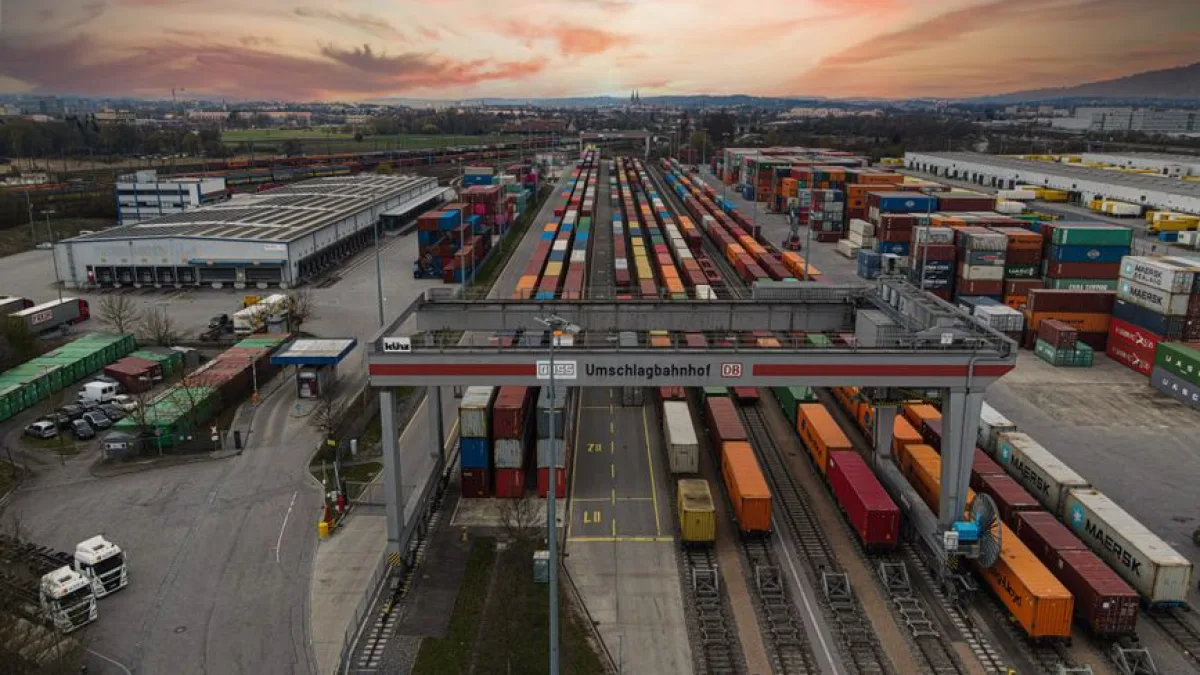
Leveraging the right technology and integrations is no longer a luxury but a fundamental necessity for competitive freight forwarders. By centralizing data, automating carrier communications, and prioritizing client transparency, your organization can achieve operational excellence. Start your digital transformation journey today by evaluating your current software stack and identifying which manual processes can be replaced by scalable, automated solutions designed for modern global logistics needs.