Optimizing Freight Forwarding Through Strategic Tech Integrations
Tuesday, October 27 2026
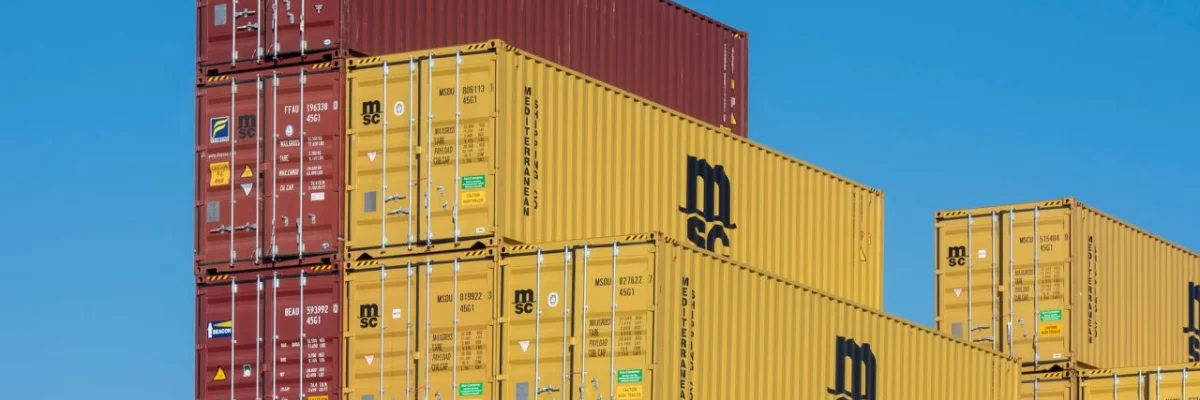
Modern freight forwarding is evolving at an unprecedented pace as global supply chains demand higher transparency and operational speed. For logistics companies, the ability to integrate disparate systems into a unified digital ecosystem is no longer just a luxury but a fundamental necessity for survival. By leveraging cloud-based platforms, forwarders can break down data silos, reduce manual errors, and provide real-time updates to stakeholders. This shift towards technological maturity empowers teams to focus on complex decision-making rather than repetitive administrative tasks. Embracing these advanced integrations allows businesses to scale efficiently while meeting the rigorous demands of today's fast-moving international shipping landscape.
The Power of API Connectivity
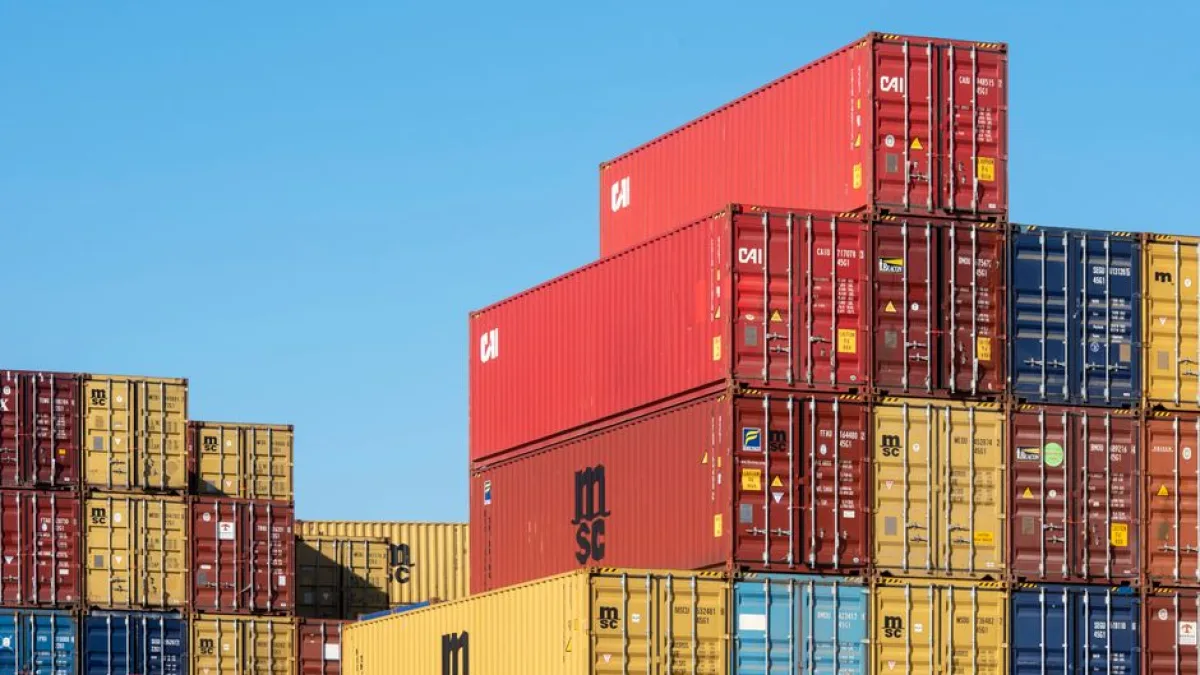
API integrations serve as the digital bridge connecting your freight management software to carriers, customs brokers, and shippers. This seamless exchange of information eliminates redundant data entry, ensures accuracy across platforms, and drastically reduces the time spent on manual tracking updates.
- Real-time data synchronization: Automated systems update your shipment statuses instantly across all platforms without manual intervention. This ensures that every stakeholder remains informed with the most accurate tracking information available.
- Automated booking workflows: Digital connections to carrier portals allow your team to request space and confirm bookings directly within your software interface. This process saves valuable hours every single week.
- Reduced manual errors: By removing the need for human data entry between systems, you significantly lower the risk of costly typos or duplicated booking information for shipments.
- Enhanced carrier visibility: Direct links provide granular insights into carrier performance and scheduling changes, allowing for proactive adjustments to your logistics strategy during unexpected port delays.
Adopting robust API connectivity transforms how your team interacts with global logistics partners. Instead of juggling multiple browser tabs and fragmented email chains, your staff gains access to a single source of truth. This technological upgrade translates into higher productivity and improved client satisfaction, as your organization can respond to shipment changes with precision and speed while maintaining a competitive edge in the market.
Streamlining Documentation Management

Handling thousands of documents monthly remains a significant bottleneck for many forwarding firms. Digitizing the workflow through smart integrations allows for automated document generation, parsing, and storage, which simplifies compliance processes and makes auditing a much smoother and faster experience.
- Automated document generation: Generate essential bills of lading, invoices, and customs declarations with a single click using pre-filled data templates. This feature ensures consistency and reduces administrative overhead.
- Cloud storage integration: Keep all shipment documentation organized and accessible in a centralized cloud vault that adheres to strict industry security and compliance standards for data.
- OCR data extraction: Use advanced recognition tools to scan incoming documents and pull relevant details into your system automatically. This eliminates the tedious process of manual input.
- Secure document sharing: Provide clients and partners with secure access to necessary files, ensuring privacy while maintaining transparency throughout the shipping lifecycle for all involved parties.
Transitioning to a digital document management system significantly reduces the physical clutter of traditional offices while boosting security and compliance efforts. By keeping records centralized, your team can retrieve important files instantly during audits or customer inquiries. This transition not only protects sensitive information but also demonstrates your commitment to technological excellence, building long-term trust with your global client base and network.
Boosting Visibility with Real-time Tracking
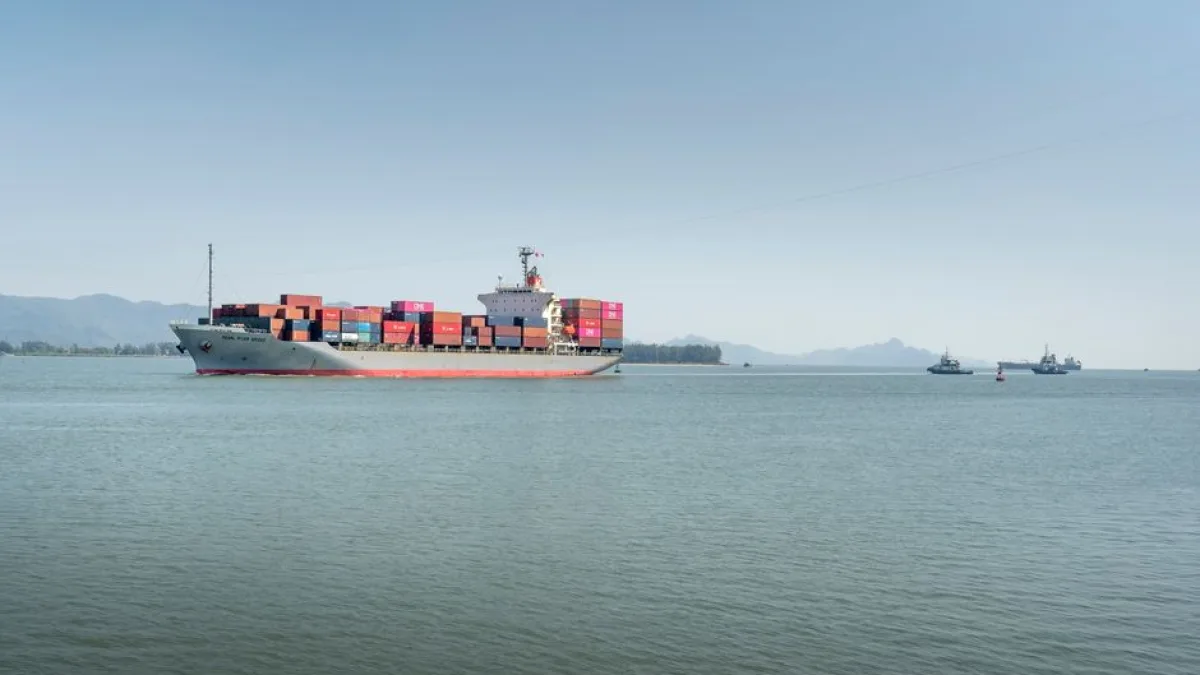
End-to-end visibility is the defining characteristic of a modern logistics operation. By integrating live tracking data from vessels and trucks into your platform, you provide clients with the transparency they need to manage their inventory and plan their supply chain activities.
- Live location updates: Track every shipment across ocean, air, and road segments with live map interfaces that provide instant clarity regarding the current position of cargo.
- Custom notification triggers: Set up automated alerts to notify clients and your team when shipments arrive at key milestones or experience unexpected delays in transit.
- Predictive delay analytics: Leverage historical and live data to anticipate potential transit issues, allowing you to inform customers early and propose alternative routing solutions effectively.
- Interactive client portals: Give your customers the power to view their shipment progress independently, reducing the volume of status inquiries handled by your operations staff daily.
Providing real-time tracking transforms the client experience from reactive to proactive. When you enable customers to monitor their own cargo, you build deeper trust and loyalty. This level of transparency distinguishes your services in a crowded market, positioning your company as a modern leader that leverages technology to provide superior visibility and reliability to shippers around the globe during complex global transit.
Scalability Through Cloud Infrastructure

Cloud infrastructure provides the foundation for sustainable growth by allowing your business to scale resources as your shipment volume increases. Moving your operations to the cloud ensures that your software remains performant, secure, and accessible from anywhere at any time.
- Global access anywhere: Enable your team members to manage operations from home, the office, or while traveling through a secure, browser-based freight forwarding software platform today.
- Instant system updates: Benefit from automatic feature rollouts and security patches without needing to maintain expensive internal server hardware or IT maintenance teams on site.
- Elastic resource scaling: Adjust your software capacity and user seat licenses dynamically based on your current volume, ensuring you only pay for what you actually use.
- Robust data security: Protect your sensitive business information with enterprise-grade encryption and regular automated backups that guard against data loss or cyber threats effectively.
Cloud-based operations are the engine of modern logistics growth and agility. By migrating from legacy desktop applications, your business gains the freedom to grow without being hindered by infrastructure limitations or local hardware failures. This flexible approach secures your data and ensures that your workforce remains productive regardless of external conditions, setting a solid foundation for long-term innovation in the freight sector.
Conclusion

Integrating advanced technology into your freight forwarding workflows is essential for modernizing operations and maintaining a competitive edge. By focusing on API connectivity, document automation, real-time tracking, and cloud scalability, your team can unlock new levels of efficiency and client trust. Start assessing your current software capabilities today to identify opportunities for seamless digital transformation and prepare your business for the future of global logistics.