Optimizing Freight Forwarding Through Strategic Technology Integrations
Friday, July 31 2026
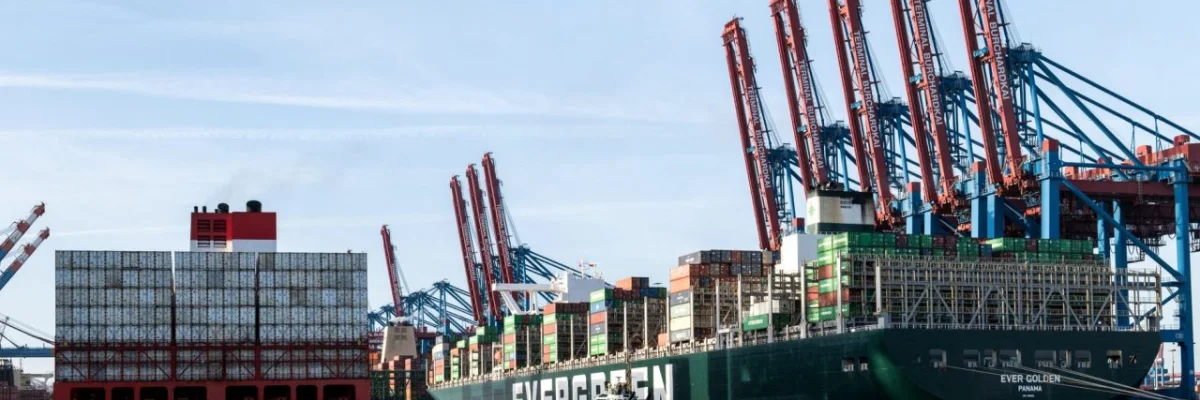
The global logistics landscape is undergoing a massive transformation driven by the rapid adoption of cloud-based freight forwarding software. Modern forwarders are moving away from fragmented, paper-heavy processes toward unified digital ecosystems that prioritize transparency and speed. As international trade routes become increasingly complex, the ability to integrate disparate systems into a single, cohesive platform is no longer a luxury but a fundamental necessity for operational survival. By leveraging sophisticated technology, businesses can automate routine tasks, minimize human error, and unlock real-time data insights, ultimately positioning themselves to meet the evolving demands of shippers who expect constant visibility throughout the entire supply chain.
Automated Workflow Management

Digital dashboards serve as the command center for modern logistics, consolidating complex data points into actionable intelligence. By automating routine documentation, forwarding teams reclaim countless hours, allowing them to focus on high-value client relationships rather than manual data entry tasks that slow growth.
- Seamless Data Sync: Automated systems ensure that information flows instantly between platforms, reducing the risk of manual input errors that often cause costly delays during cross-border transit operations.
- Reduced Administrative Burden: Software tools handle repetitive tasks like invoice generation and tracking updates, which frees your staff to concentrate on solving urgent logistical problems for key accounts.
- Optimized Task Routing: Intelligent workflows automatically assign shipments to the right agents based on capacity and expertise, ensuring that operational bottlenecks are identified and resolved before they escalate.
- Enhanced Document Accuracy: Standardized digital templates minimize discrepancies in bills of lading and customs declarations, keeping your documentation compliant and improving overall processing speeds for global shipments.
Adopting automated workflows does more than just speed up internal processing times. It fundamentally changes the employee experience by removing the frustration of legacy manual systems. When teams spend less time fighting with spreadsheets, morale improves significantly. Forwarders who invest in these digital tools create a scalable foundation that supports rapid business growth while maintaining a consistent quality of service for every single client.
Real-Time Supply Chain Visibility
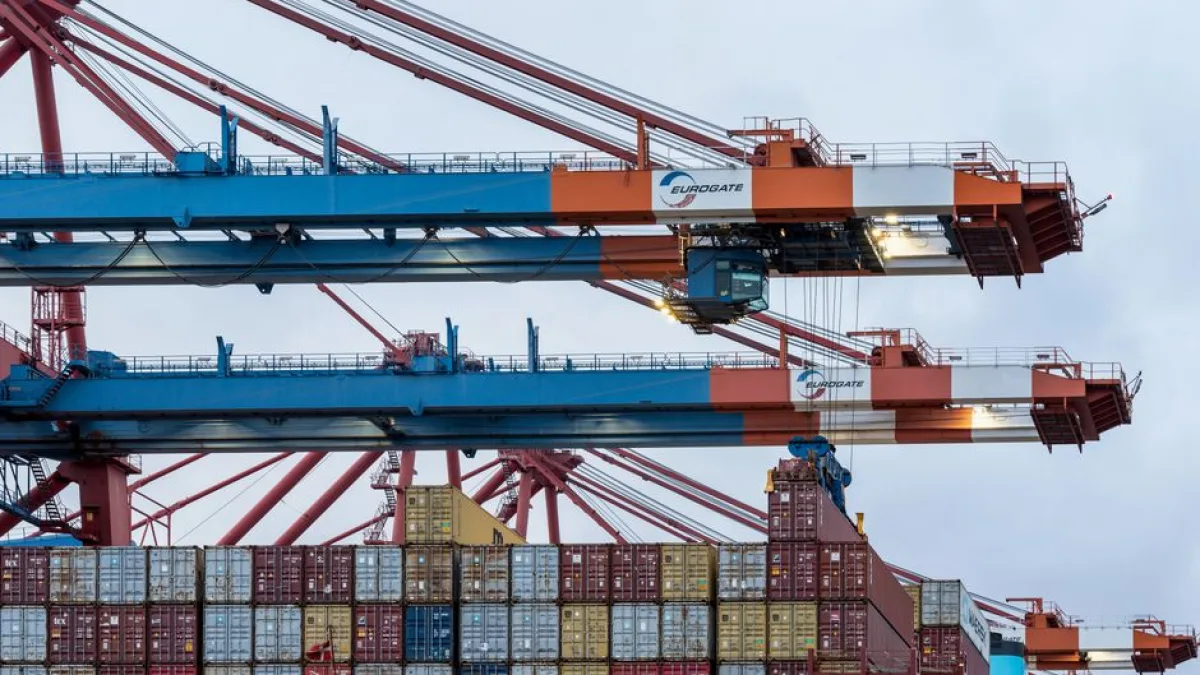
True supply chain visibility transforms how forwarders interact with their clients by providing live updates on shipment status. When stakeholders can access accurate tracking data around the clock, trust improves and the need for constant status update emails vanishes entirely.
- Live Tracking Updates: Integration with ocean and air carrier APIs ensures that clients receive precise location data and arrival times directly within the platform for every shipment.
- Proactive Exception Alerts: Automated notifications warn managers about potential port congestion or carrier delays, allowing them to implement contingency plans immediately and maintain strict delivery schedules consistently.
- Unified Tracking Portal: A single, branded interface allows customers to view their entire pipeline, fostering long-term loyalty through transparency and demonstrating clear technical competence to all stakeholders.
- Carrier Performance Analytics: By aggregating tracking data over time, companies can evaluate carrier reliability and make better procurement decisions that ultimately protect profit margins and client satisfaction.
Visibility serves as the cornerstone of the modern customer experience in the logistics sector. By providing a clear window into their cargo journey, forwarders prove their value beyond simple transit. This level of openness builds deep trust with shippers who need reliable data to manage their own internal operations. Ultimately, superior visibility tools help your brand differentiate itself in a crowded market.
Financial Integration and Accuracy

Connecting freight forwarding platforms directly with accounting software solves the age-old problem of billing delays. Accurate financial data is the lifeblood of any logistics business, and direct integrations ensure that invoicing happens the moment a job is marked as complete.
- Faster Billing Cycles: Automated invoice generation based on finalized shipment data drastically shortens the cash conversion cycle, improving overall liquidity for your freight forwarding business on a daily basis.
- Error-Free Calculations: Automated currency conversion and tariff application ensure that billing remains precise, avoiding disputes with clients over surcharges or miscalculated freight rates at month end.
- Instant Payment Reconciliation: Integration with banking gateways provides real-time visibility into incoming payments, helping finance teams track receivables and manage cash flow with unprecedented speed and precision.
- Regulatory Compliance Reporting: Standardized financial reporting tools simplify tax compliance and audit preparation, ensuring your business stays in line with regional and international accounting standards without extra effort.
Effective financial management is the key to maintaining a healthy and profitable forwarding operation. By removing the lag between service delivery and billing, firms gain better control over their financial stability. The reduced need for back-office manual reconciliation also helps minimize overhead costs. Embracing these integrated financial tools allows owners to make data-driven decisions that fuel long-term stability and sustained market growth.
API-Driven Connectivity Solutions

Open API architectures empower freight forwarders to build custom ecosystems that fit their specific niche needs. Unlike closed legacy systems, modern API connectivity allows businesses to plug in new modules or third-party services as the company expands into new markets.
- Modular Software Scaling: APIs allow you to add new features, such as advanced cargo insurance or customs brokerage, without replacing your entire core platform as your business grows.
- Customized Partner Portals: Build specialized gateways for truckers, agents, and local vendors that share only the data they need, maintaining security while keeping the entire logistics chain connected.
- Future-Proofing Infrastructure: An open, API-centric strategy ensures that your platform can always adopt the latest emerging technologies like artificial intelligence or blockchain as they become industry standards.
- Third-Party Tool Fusion: Connect your existing CRM or customer support platform to your freight system, creating a holistic view of client interactions and shipment status within one interface.
Connectivity is the bridge to the future of the logistics industry. By utilizing robust APIs, forwarders are no longer locked into outdated service models that cannot evolve. This flexibility is critical for surviving the rapid changes in global trade. When your software can communicate effortlessly with external tools, you create a powerful digital advantage that keeps your operations lean and extremely adaptable.
Conclusion

Embracing integrated technology is no longer optional for freight forwarders aiming to lead the market. By automating workflows, enhancing visibility, and ensuring financial accuracy, your business gains a massive competitive edge. Start evaluating your current software stack today to identify areas for integration. Investing in the right digital tools now will save your team time, money, and stress while ensuring long-term success.