Optimizing Operations: Why Freight Forwarders Must Adopt Cloud Platforms
Monday, October 5 2026
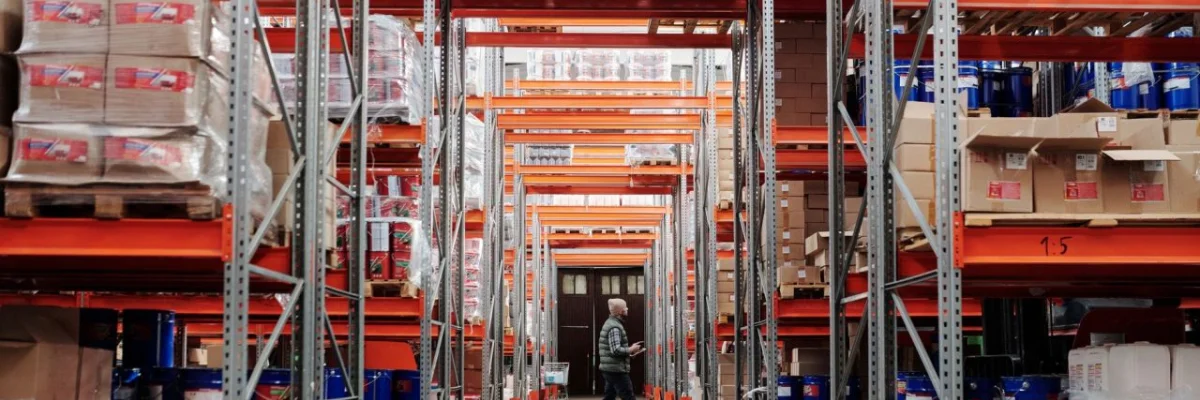
The global logistics landscape is undergoing a massive transformation where digital agility determines market survival. Traditional manual processes and disconnected spreadsheet workflows are rapidly becoming liabilities in a fast-paced environment that demands real-time visibility and instant communication. Freight forwarding companies that resist technological integration risk losing their competitive edge to more nimble, data-driven rivals. By leveraging cloud-based platforms like MakeCargo, logistics professionals can centralize fragmented data, automate repetitive tasks, and provide clients with the transparency they now expect. This shift is not merely about updating software; it is about building a scalable foundation for future growth in an increasingly volatile industry.
The Power of Centralized Data

Centralizing your operational data into one cohesive cloud environment removes the silos that plague traditional offices. When information is accessible from anywhere in the world, your team can collaborate effectively, minimize human error, and accelerate the decision-making process for complex shipments.
- Unified Data Access: Every stakeholder accesses the same reliable source of truth, ensuring that shipment status and documentation remain consistent across all departments regardless of physical office locations.
- Automated Workflow Efficiency: Digital platforms automate the tedious task of data entry, allowing your staff to focus on high-value client relationship management instead of manual document processing burdens.
- Enhanced Data Security: Cloud providers implement robust encryption and regular security updates that far exceed the protective capabilities of standard on-premise servers or insecure local email storage.
- Real-time Information Syncing: Every update made within the system triggers immediate synchronization across your entire network, keeping customers informed while preventing costly delays caused by outdated shipment information.
Consolidating your logistics data creates a leaner and more responsive business model that supports sustainable growth. By moving away from decentralized paper trails and isolated software tools, your firm gains the clarity needed to spot bottlenecks before they impact delivery timelines. This operational cohesion empowers your team to deliver superior service levels while simultaneously reducing overhead costs associated with managing fragmented legacy systems.
Automating Complex Customs Documentation
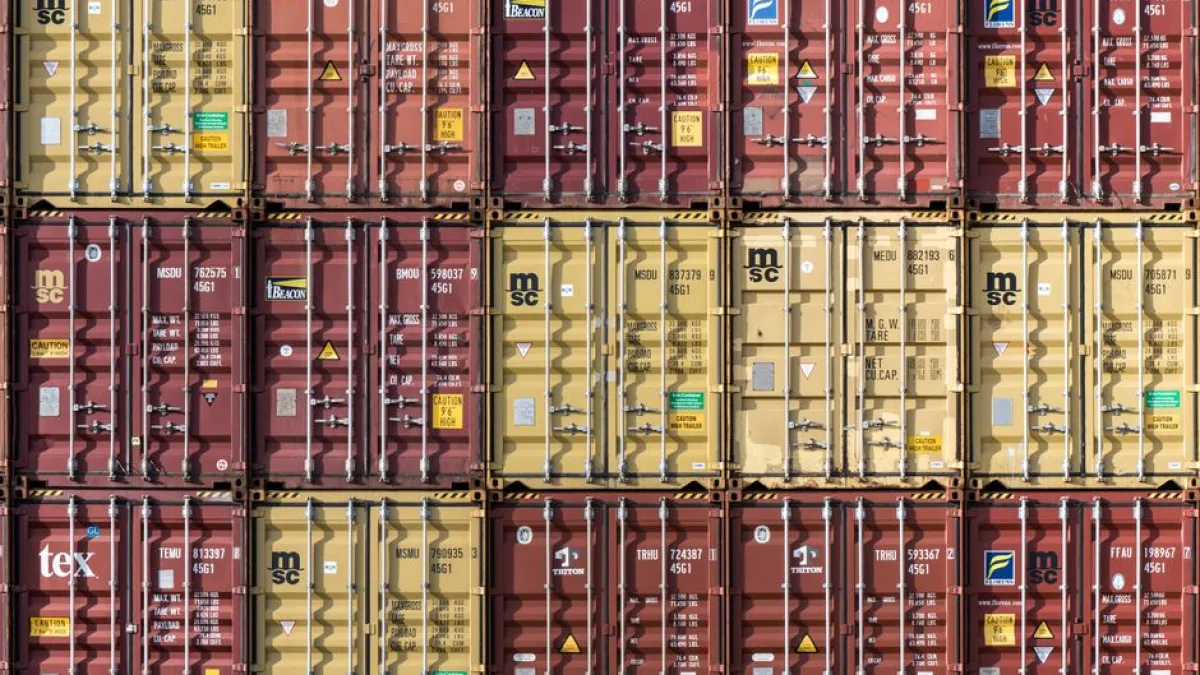
Customs clearance remains one of the most significant pain points for forwarders worldwide. By automating the generation and verification of essential trade documentation, you can significantly reduce the risk of compliance errors that often lead to heavy fines or delays.
- Error Rate Reduction: Automated validation tools cross-reference cargo details against regulatory databases to ensure that every customs declaration form is accurate before it reaches the authorities.
- Faster Document Processing: Integrated software solutions allow you to generate bills of lading and commercial invoices in seconds, drastically cutting down the time spent on manual documentation.
- Regulatory Compliance Support: Modern software platforms receive automatic updates regarding changing international trade laws, helping you remain compliant without requiring constant manual research on your behalf.
- Simplified Filing Procedures: Digital submission gateways enable your team to transmit documentation directly to customs agencies, bypassing the need for physical courier services or archaic transmission methods.
Streamlining the documentation process is essential for maintaining a high volume of global trade without compromising accuracy. By integrating automated compliance checks, your freight forwarding business avoids the common pitfalls of human error during intense high-traffic periods. This proactive approach to trade regulations ensures that your shipments sail through customs checkpoints smoothly, keeping your clients satisfied and your operational reputation untarnished.
Real-Time Tracking and Client Transparency

Modern clients demand full visibility into their supply chains at every single stage of transit. Offering a robust tracking portal not only satisfies this requirement but also reduces the high volume of status inquiries that frequently overwhelm your customer support staff.
- Instant Status Updates: Customers receive automated notifications as their cargo moves through various checkpoints, providing them with peace of mind through consistent and proactive status communication updates.
- Interactive Client Portals: Providing a user-friendly interface allows your clients to download their own documents and monitor shipment progress without having to call your office for updates.
- Proactive Issue Mitigation: Automated alerts regarding potential disruptions allow you to inform clients about delays before they become major problems, preserving trust through honest and early communication.
- Branded Customer Experience: Customizing your client interface with your own company branding reinforces your professional identity while delivering high-tech logistics solutions that mirror global industry leaders.
Investing in client-facing technology transforms your service from a basic utility into a premium digital experience. By providing stakeholders with self-service tracking tools, you effectively reduce administrative overhead while improving overall client retention rates. Transparency is the currency of modern logistics, and by equipping your customers with the data they need, you build lasting partnerships founded on reliability and technical competence.
Scalability Through Software Integration
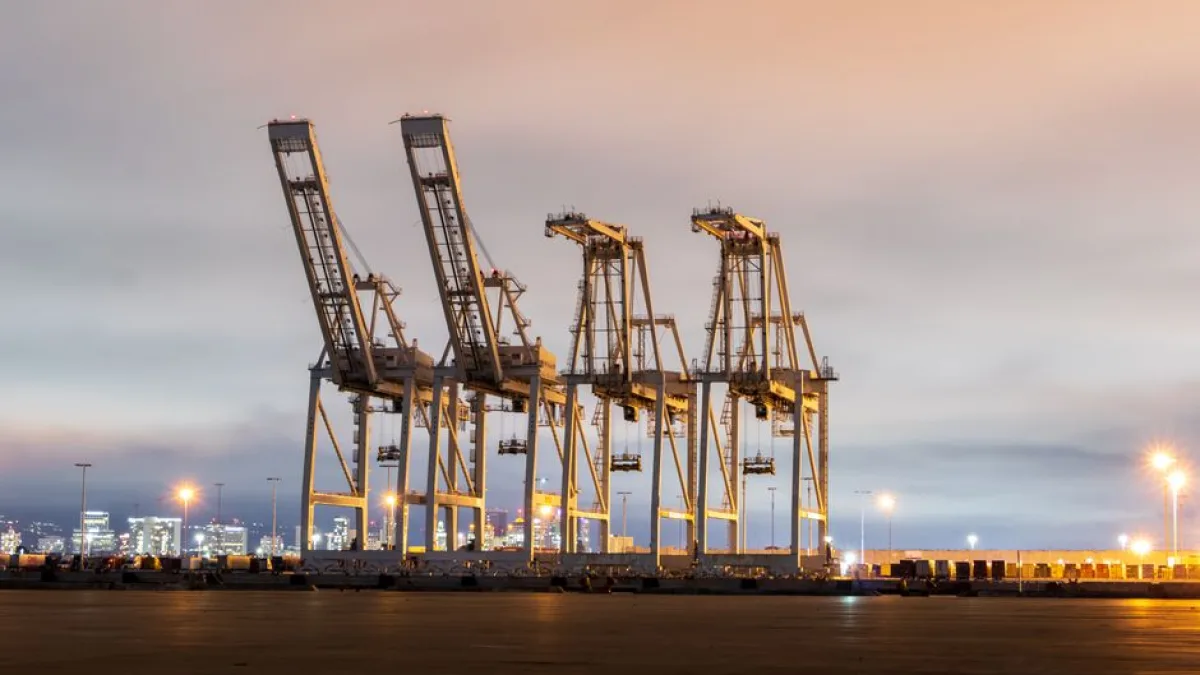
As your business expands into new markets, your software must be able to scale alongside your increased shipment volumes. Integrations between your freight platform and accounting or carrier software ensure that your systems grow without becoming fragmented or unstable over time.
- Seamless API Connectivity: Modern software platforms utilize open APIs to connect with existing accounting, warehousing, and carrier systems, creating an interconnected ecosystem that supports your business as it scales.
- Efficient Resource Scaling: Cloud-based infrastructure allows you to handle seasonal spikes in logistics demand without needing to invest in expensive hardware upgrades or additional on-site server maintenance.
- Interoperable Software Ecosystem: Building a cohesive tech stack allows different parts of your organization to share information effortlessly, ensuring that financial data flows smoothly into your primary logistics database.
- Future-Proofing Your Business: Choosing a modular platform enables you to add new features or service modules as your freight forwarding business diversifies into new global transport routes.
Planning for long-term scalability requires a flexible technology architecture that evolves with your company requirements. By prioritizing integrations that support seamless data flow, you avoid the common trap of using disconnected tools that hinder communication. A well-integrated platform ensures that your operations remain smooth regardless of how fast your freight volumes grow, setting the stage for future expansion and sustainable profitability.
Conclusion

Embracing cloud-based technology is the most effective way to modernize your freight forwarding operations and ensure long-term success. By centralizing data, automating compliance, providing client visibility, and scaling through integration, you build a resilient business that thrives in the global market. Start your digital transformation today to reduce costs, improve accuracy, and deliver the exceptional service quality that your clients expect.