Optimizing Freight Operations with a Dedicated Customer Portal
Wednesday, August 26 2026

Modern freight forwarding requires seamless digital interactions to maintain a competitive advantage in a fast-paced global logistics market. For forwarders, the shift toward cloud-based technology is no longer optional but a fundamental requirement for operational efficiency. A robust customer portal serves as the central interface where transparency meets productivity, allowing clients to track shipments, upload critical documentation, and manage logistics queries in real-time. By moving away from disjointed email threads and manual updates, freight forwarders can provide a sophisticated self-service experience that reduces internal administrative burdens while significantly increasing client satisfaction and long-term brand loyalty.
Boosting Operational Efficiency

The implementation of a centralized portal allows your team to automate routine information requests, effectively freeing up staff to focus on complex logistical challenges instead of basic status checks. By providing a self-service environment, you significantly minimize repetitive manual data entry.
- Automated status updates: Real-time tracking features allow your clients to view the current location and milestone status of their cargo without needing to contact your operations team for updates.
- Document management hub: Centralizing invoices, bills of lading, and customs paperwork within the portal ensures that all stakeholders have instant access to necessary documents during the shipping process.
- Simplified communication channels: Built-in messaging tools keep all logistics conversations tied directly to specific shipment files, eliminating the risk of lost emails and ensuring clear audit trails throughout.
- Reduced manual labor: Automating repetitive tasks such as quote generation and basic shipment monitoring allows your staff to focus on high-value tasks that require genuine human expertise and judgment.
By streamlining these daily interactions, your firm creates a more professional image that attracts high-volume shippers. When clients have the power to resolve their own inquiries through your secure portal, the frequency of disruptive phone calls and emails drops dramatically. This transition empowers your employees to operate with greater focus and precision, ensuring that high-level strategy and problem solving take precedence over administrative maintenance.
Enhancing Client Transparency
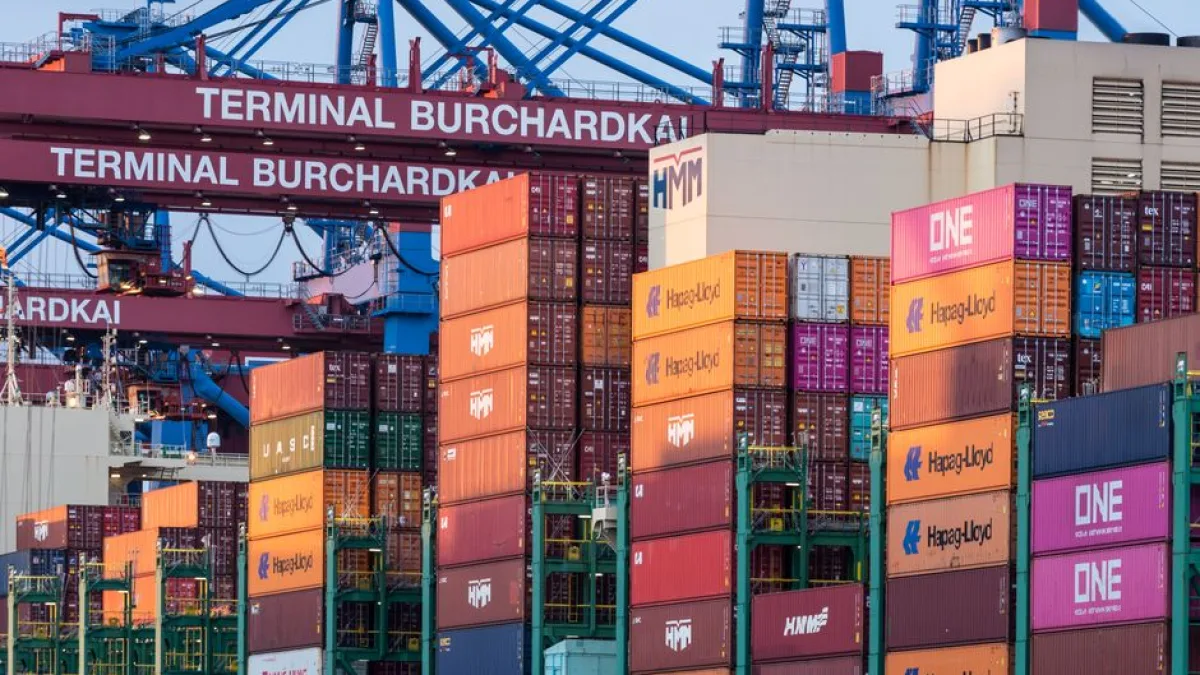
Transparency builds trust, and in the logistics industry, clear visibility is the ultimate currency. Clients who can monitor their freight movements at every transition point are far more likely to remain loyal to your brand for future shipments.
- Real-time shipment visibility: Offering live tracking dashboards provides clients with a clear window into their supply chain, which directly improves their ability to plan inventory and distribution schedules.
- Detailed milestone tracking: Granular reporting on each stage of the shipping journey helps clients anticipate potential delays and manage expectations regarding their own downstream customer commitments and deadlines.
- Customized user permissions: Administrative controls allow you to assign specific access levels to different client users, ensuring that sensitive financial or operational data remains protected and secure throughout.
- Instant reporting tools: Providing on-demand analytics and performance reports empowers your clients to evaluate their own logistics spend and identify areas for potential growth or efficiency improvements internally.
When clients feel fully informed, they develop a sense of confidence in your service capabilities. A dedicated customer portal acts as a permanent record of your reliability, proving your worth through consistent data availability. By providing this high level of service, you effectively differentiate your business from competitors who still rely on fragmented and slow manual communication methods for their clients.
Strengthening Data Security

Security is a paramount concern for companies handling sensitive supply chain data and financial transactions. A cloud-based portal provides a hardened environment that protects your clients and your internal operations from common digital vulnerabilities found in email systems.
- Encrypted file transfers: Utilizing high-level encryption standards for all document exchanges ensures that confidential shipping information and trade documents are protected from unauthorized access during transit.
- Controlled data access: Multi-factor authentication and role-based access management keep your systems secure by ensuring that only authorized personnel can view or edit sensitive logistics data points.
- Consistent backup protocols: Cloud hosting ensures that all your data is backed up regularly, preventing the permanent loss of vital records in the event of hardware failures.
- Compliance with standards: Operating through a secure, cloud-based platform makes it easier to meet international data protection regulations, protecting your firm from potential legal risks and penalties.
Maintaining a secure platform is a critical component of your professional credibility. When clients know their trade information is handled within a dedicated, secure environment, they are far more comfortable sharing the necessary data to expedite complex shipments. By investing in these security protocols, you protect the reputation of your company while offering a peace of mind that truly sets your freight forwarding business apart.
Improving Client Retention

The long-term value of a customer portal lies in its ability to foster repeat business through a superior user experience. Clients who find your system easy to navigate will naturally prefer your services over those of your competitors.
- Intuitive user interfaces: Designing a clean and simple navigation layout ensures that your clients can find the information they need without needing extensive training or support assistance.
- Personalized brand experience: Customizable interfaces allow you to apply your company logo and color scheme, creating a branded portal that reinforces your firm identity with every login.
- Feedback loop integration: Incorporating survey tools directly into the portal allows you to capture client sentiment immediately after a delivery, helping you identify areas for immediate service improvements.
- Long term account history: Archiving years of shipping history within a single dashboard makes your portal a valuable long-term resource that clients rely on for their annual business reporting.
Retaining clients is significantly more cost-effective than constant acquisition. By providing a high-quality portal, you turn your freight forwarding service into an indispensable part of your client daily workflow. This level of integration builds a strong partnership that transcends simple price-based competition, allowing you to focus on developing deep, long-term relationships with your most valuable clients and increasing overall company profitability.
Conclusion

Investing in a customer portal is the most effective way to modernize your freight forwarding business and scale your operations efficiently. By prioritizing transparency, security, and ease of use, you provide a level of service that modern shippers demand. Take the first step toward digitizing your customer experience by auditing your current communication processes and choosing a cloud-based solution that aligns with your specific goals.