Optimizing Freight Operations for Global Logistics Success
Saturday, August 1 2026

Modern freight forwarding is an intricate dance of moving goods across borders while maintaining profitability and customer satisfaction. As global supply chains grow more complex, forwarders must embrace digital transformation to remain competitive. By leveraging cloud-based platforms, logistics providers can eliminate manual bottlenecks, reduce costly administrative errors, and gain real-time visibility into every shipment. This evolution in operations is not merely a technological upgrade but a fundamental shift in how business is conducted. Mastering these operational workflows is essential for any professional aiming to scale their freight business effectively in today's demanding and fast-paced international trade environment.
Streamlining Documentation Workflows

Managing shipment documentation requires precision and speed to avoid costly delays at customs and ports. Modern software tools automate the generation of bills of lading and commercial invoices to ensure data consistency and accuracy throughout the entire shipping cycle.
- Automated Data Entry: Implement automated extraction tools to convert scanned paperwork into digital formats instantly, which minimizes human data entry errors and saves significant time for your operations team.
- Centralized Document Storage: Maintain a secure cloud repository where all shipping documents are stored, ensuring that your staff and partners can access vital files from any location worldwide.
- Real-time Compliance Checks: Use built-in validation rules that cross-reference cargo details against international trade regulations to prevent shipping errors before they lead to potential financial penalties or delays.
- Digital Approval Chains: Create customized digital workflows that require manager sign-offs for specific shipment phases, which helps maintain high quality standards and accountability across all organizational levels.
By moving away from physical paper trails, companies can accelerate their documentation turnaround times significantly. This shift allows forwarding teams to focus on high-value tasks like customer communication rather than mundane data entry. Maintaining clean digital records also supports better auditing processes, ensuring your business stays compliant with shifting international standards while simultaneously enhancing the overall efficiency of your daily freight forwarding operations.
Enhancing Real-time Shipment Visibility
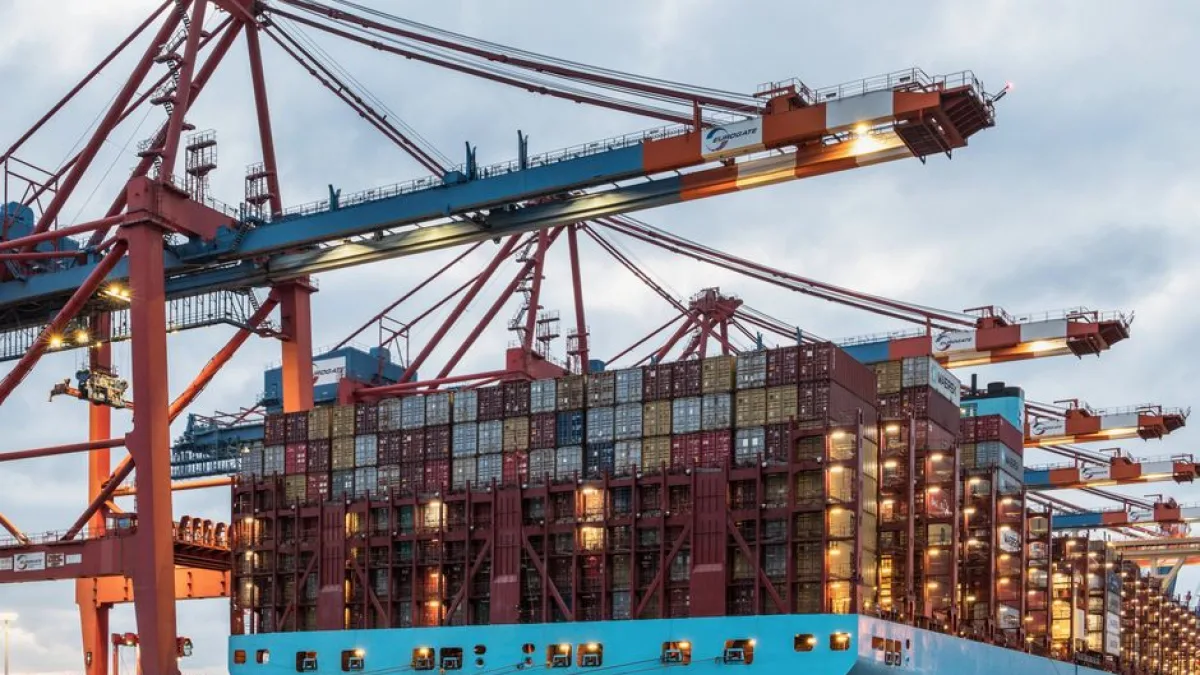
Visibility is the backbone of modern freight forwarding services that clients demand today. Providing stakeholders with live tracking updates reduces the need for constant status check calls, allowing forwarders to focus on managing exceptions and resolving urgent logistical issues proactively.
- Live Tracking Integration: Connect your platform with carrier APIs to pull live status updates directly into your dashboard, providing clients with accurate information about their cargo movement.
- Exception Management Alerts: Set up automated notifications for your team whenever a shipment faces a delay, allowing for rapid response and proactive communication with your worried cargo owners.
- Client Tracking Portals: Offer branded customer portals where clients can monitor their shipments in real time without calling your office, which improves satisfaction and lowers administrative overhead.
- Geofencing Capabilities: Utilize advanced mapping features that notify you immediately when a container reaches a specific port or warehouse, providing precise milestones for your entire supply chain.
Transparency is no longer just an advantage but a core requirement for retaining high-value clients. When customers feel empowered by information, they are far more likely to maintain a long-term partnership with your logistics firm. By investing in robust tracking technology, you demonstrate professional reliability and a commitment to service quality that distinguishes your brand from competitors operating with outdated, manual tracking methods.
Managing Carrier Relationships Efficiently

Building strong partnerships with international carriers is crucial for securing competitive rates and reliable space allocation. Managing these interactions through a unified digital platform ensures that all communication is logged and that performance metrics remain accessible for strategic decision making.
- Digital Rate Management: Organize all carrier pricing sheets within a centralized database, enabling your team to search, compare, and select the best routes based on current market trends.
- Performance Analytics Dashboards: Track carrier reliability and transit time metrics over long periods to make informed decisions about which partners provide the best value for your operations.
- Integrated Communication Channels: Keep all email correspondence and carrier negotiation logs linked to specific shipments, ensuring your team has full context during critical delivery negotiations or disputes.
- Automated Booking Requests: Utilize built-in tools to send booking requests directly to carrier portals, reducing the time spent on manual emails and speeding up your cargo allocation.
Strong carrier management relies on consistent data and clear communication channels. When you centralize your carrier data, you remove the guesswork from route planning and financial negotiations. This systematic approach allows you to optimize your margins while ensuring that your cargo reaches its destination on time. Cultivating these professional relationships digitally will ultimately provide more stability and growth opportunities for your firm.
Scaling Operations Through Automation

Scaling a freight forwarding business requires a robust foundation that can handle increased volume without sacrificing service quality. Automation allows teams to process more shipments with fewer resources, effectively maximizing profitability without the need for constant, proportional increases in your total headcount.
- Task Automation Sequences: Configure automated triggers for repetitive tasks like email notifications or status updates to free up your operations staff for more complex problem-solving duties.
- Custom Workflow Templates: Build repeatable project templates for common shipping routes, ensuring that every team member follows the same standardized process for maximum consistency and efficiency.
- Scalable Cloud Infrastructure: Select software solutions that grow alongside your business, ensuring that your system performance remains steady even as your shipment volume and data needs increase.
- Integrated Accounting Modules: Automate the transition from freight operations to invoicing, which helps reduce billing cycles and improves your company cash flow by minimizing manual payment processing.
Automation serves as the primary engine for sustainable business growth in the logistics sector. By delegating routine tasks to smart software, you empower your staff to focus on strategic growth initiatives rather than fighting daily fires. This operational stability is what allows top-tier forwarders to handle surges in market demand while maintaining the high service levels that their clients expect and demand daily.
Conclusion
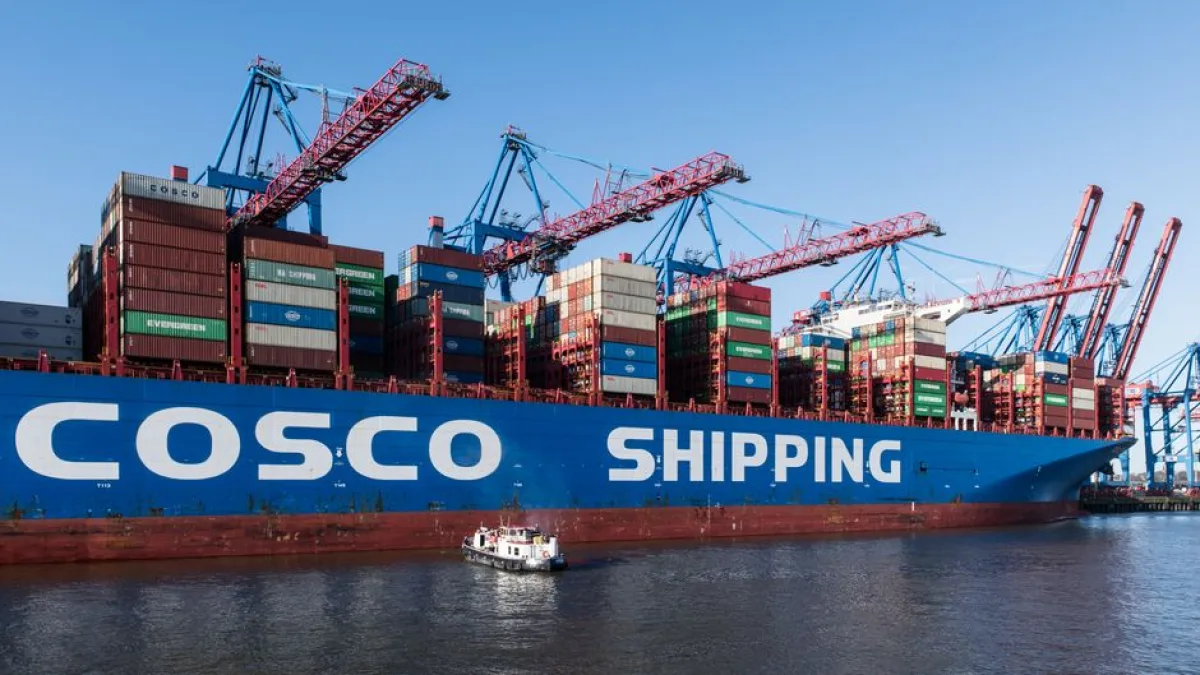
Mastering freight operations requires a deliberate commitment to digital integration and process efficiency. By implementing the strategies outlined above, you position your forwarding company for long-term success in an increasingly competitive global marketplace. Start by identifying your most significant operational bottlenecks today and choose one area to automate. Consistent improvement will ensure that your business remains agile, profitable, and ready for future challenges.