Optimizing Freight Operations for Global Logistics Success
Friday, September 11 2026

Modern freight forwarding requires a delicate balance between complex logistical demands and the need for rapid digital transformation. As global supply chains face increasing volatility, forwarders must leverage advanced technology to maintain transparency and efficiency throughout the shipping lifecycle. By focusing on process automation and data-driven decision-making, professionals can eliminate manual errors that plague traditional operations. Adopting cloud-based platforms ensures that communication stays seamless across borders, allowing teams to navigate customs regulations and transport bottlenecks with greater agility while providing superior service to clients who expect real-time updates and consistent reliability in an unpredictable market.
Streamlining Documentation Workflows

Effective documentation management is the backbone of successful freight operations. By automating the creation and filing of bills of lading, commercial invoices, and packing lists, forwarders reduce the administrative burden while simultaneously increasing accuracy and minimizing the risk of costly penalties.
- Automated Data Entry: Implement software solutions that extract information from documents directly into your system, significantly reducing the manual labor involved and preventing common human input errors during processing.
- Centralized Cloud Storage: Maintain all your critical shipping documentation in a secure cloud environment, ensuring that your team can access essential files instantly from any global location.
- Real-time Compliance Checks: Use built-in verification tools that automatically scan your documents against international trade regulations to ensure that every shipment meets all legal requirements before departure.
- Instant Client Sharing: Provide your customers with immediate access to their shipping documents through a secure portal, fostering transparency and reducing the number of repetitive status update emails.
Mastering document workflows allows freight forwarders to focus on high-value tasks rather than repetitive data entry. When documentation flows automatically, your internal teams gain the freedom to address complex logistics challenges instead of sorting through piles of paperwork. This strategic shift in operational focus builds trust with clients and allows your firm to handle higher volumes without increasing your permanent headcount or costs.
Leveraging Real Time Visibility
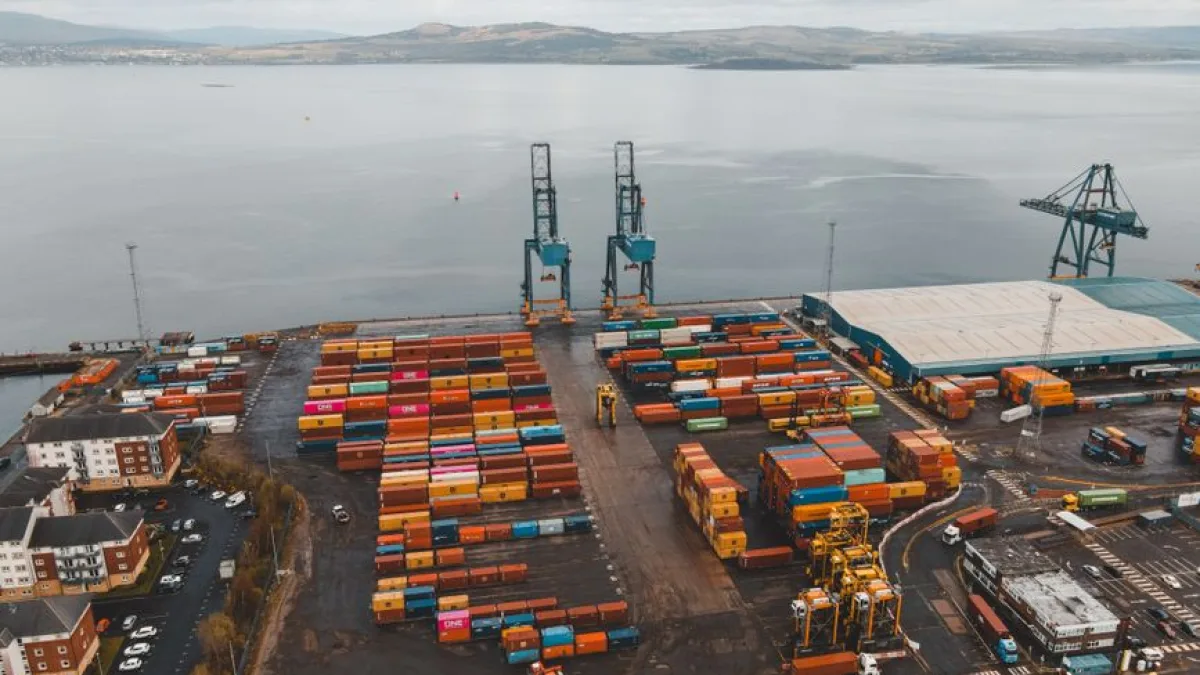
True visibility goes beyond basic tracking numbers. It involves integrating live data feeds from ocean carriers and trucking fleets to provide a comprehensive view of cargo movement from origin to the final destination for every shipment managed.
- Carrier API Integration: Connect your platform directly to major shipping lines using APIs, which provides automated and frequent status updates regarding vessel locations and expected arrival times daily.
- Proactive Exception Management: Utilize automated alerts that notify your operations team immediately when a shipment deviates from its planned schedule, allowing you to resolve issues before they escalate.
- End-to-End Mapping: Use visual dashboards to monitor the entire journey of a container, providing your team with the insights needed to optimize routes and improve transit speed.
- Client Reporting Tools: Generate automated performance reports for your customers that highlight delivery reliability and average transit times, helping you demonstrate the true value of your service.
Visibility serves as the foundation for modern client relationships in the freight industry. When forwarders can predict delays and communicate them proactively, they position themselves as essential partners rather than just service vendors. By turning raw data into actionable insights, your operations team can make informed decisions that improve overall supply chain reliability and strengthen your reputation for excellence across the global market.
Automating Financial Operations

Integrating financial workflows with your core logistics platform is essential for maintaining healthy cash flow. Automated invoicing and expense tracking remove the friction from billing cycles, ensuring that your company gets paid faster while reducing administrative overhead for accounting.
- Integrated Billing Cycles: Automatically generate invoices as soon as milestones are met, ensuring that your company maintains consistent cash flow without needing to manually track shipment status updates.
- Cost Analysis Tools: Review carrier charges against original quotes automatically to identify discrepancies, ensuring that your firm never overpays for services and maintains healthy profit margins throughout.
- Multi-Currency Handling: Support global operations by using software that automatically converts international currencies based on current exchange rates, simplifying your cross-border billing and accounting processes significantly.
- Payment Gateway Integration: Facilitate faster client payments by offering secure online payment options directly through your portal, reducing the time spent chasing outstanding invoices and unpaid account balances.
Streamlining finance allows your company to remain agile even when handling thousands of transactions per month. By removing manual reconciliations, your accounting team can focus on financial planning and performance analysis rather than data entry. This level of automation ensures that your operations stay profitable, scalable, and prepared for future growth in an increasingly competitive industry where speed and accuracy are paramount.
Enhancing Communication Channels

Clear communication is the bridge between stakeholders in the freight process. Utilizing a unified communication platform ensures that agents, carriers, and shippers are always aligned, effectively eliminating the common silos that often cause delays and miscommunication in international shipping.
- Unified Messaging Systems: Keep all conversations related to a specific shipment in one location, which prevents vital information from getting buried in personal email inboxes or chat applications.
- Customizable Client Portals: Create branded interfaces where your clients can view updates and ask questions, providing a professional experience that encourages long term loyalty and repeat business.
- Internal Task Assignment: Assign specific operational tasks to team members within your system, ensuring clear accountability and progress tracking for every single step of the cargo movement.
- Instant Notification Alerts: Configure automated notifications for your partners, which keep everyone informed about status changes without requiring constant manual check-ins or repetitive back and forth emails.
Efficient communication is the ultimate differentiator for modern freight forwarders who wish to stand out. When information flows seamlessly, your team reduces the time spent on administrative overhead and increases time dedicated to high-quality service delivery. By centralizing all stakeholder interactions, you foster a culture of transparency and accountability that leads to smoother operations, happier clients, and a much more resilient supply chain.
Conclusion
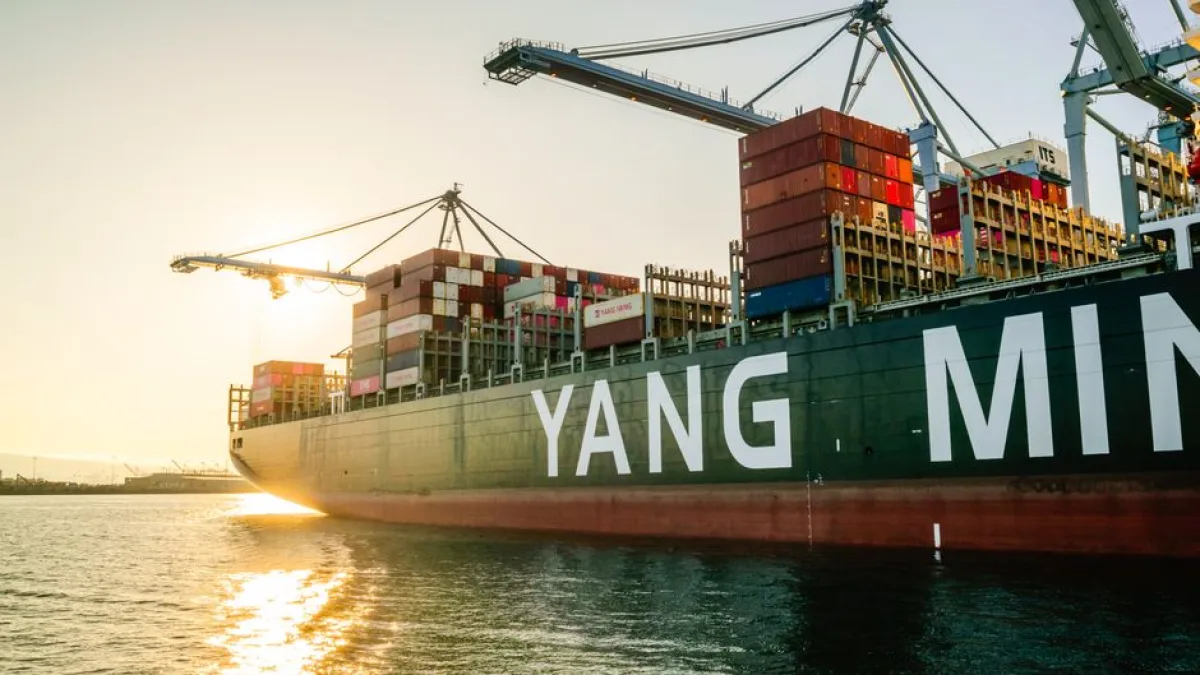
Optimizing freight operations requires a commitment to digital tools that enhance visibility and streamline daily tasks. By focusing on documentation, real-time tracking, financial integration, and communication, forwarders can build a robust foundation for success. Embrace these technological advancements today to improve your operational efficiency and deliver superior value to your global clients. Start your journey toward a more automated and profitable logistics future right now.