Optimizing Freight Operations for Global Logistics Success
Saturday, October 10 2026

Modern freight forwarding requires a delicate balance between precision, speed, and cost-efficiency to remain competitive in a volatile global market. As logistics networks grow more complex, manual processes often lead to bottlenecks that hinder operational growth and customer satisfaction. Adopting cloud-based platforms allows forwarders to centralize their data, automate repetitive tasks, and gain real-time visibility into every shipment. By leveraging smart technology, your team can eliminate human error and focus on high-value strategic decision-making. Transitioning to a digital-first approach is no longer just a luxury for early adopters but a fundamental necessity for businesses aiming to scale their international operations effectively.
Streamlining Documentation Workflows

Managing a massive influx of shipping documents requires a highly organized digital strategy to prevent costly delays at customs. By digitizing paperwork, your team can instantly verify information and ensure compliance across all international borders without losing precious time during transit.
- Centralized document management: Store all bills of lading, invoices, and packing lists in a secure cloud repository accessible to your entire team, reducing the search time for critical shipment files significantly.
- Automated data entry: Utilize intelligent scanning tools to extract information from physical documents directly into your system, effectively removing the risks associated with manual typing and repetitive data entry errors.
- Compliance tracking updates: Implement automated notifications that alert your staff when specific customs regulations change, ensuring that your documentation remains accurate and fully compliant with international trade laws at all times.
- Version control systems: Manage document revisions seamlessly to ensure that every stakeholder is viewing the most current version of shipping instructions, thereby preventing confusion during complex multi-modal freight movements.
- Secure digital signatures: Integrate electronic signing capabilities to finalize contracts and authorization forms instantly, removing the need for physical mailing and speeding up the overall processing time for export shipments.
Transitioning toward a paperless documentation environment is a significant step toward achieving operational excellence. By investing in these digital tools, forwarders can reduce the administrative burden on their employees while simultaneously increasing the speed at which goods move through the supply chain. This proactive approach to data management fosters trust with clients who demand transparency and reliability in every single transaction they perform.
Enhancing Real-Time Shipment Visibility
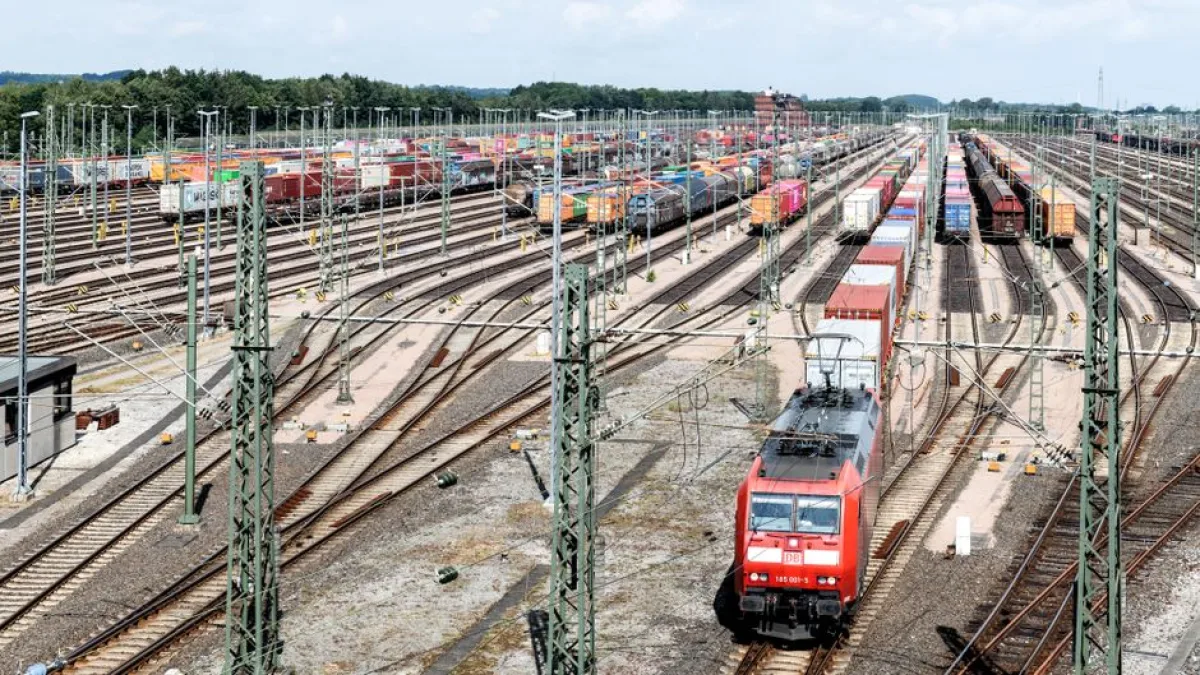
Visibility is the backbone of modern logistics, providing customers with peace of mind through constant updates on their cargo status. Modern software platforms turn complex tracking data into actionable insights, helping you predict potential disruptions before they impact your delivery schedules.
- Live tracking updates: Provide clients with real-time status alerts for their shipments, allowing them to monitor progress across ocean, air, and road segments through one unified and easy dashboard interface.
- Predictive delay analysis: Use historical data and current weather or port conditions to identify potential bottlenecks early, enabling your team to proactively suggest alternative routes for time-sensitive cargo deliveries.
- Custom client portals: Enable your customers to log into a dedicated portal where they can view their shipment milestones, access documentation, and communicate directly with your team without emails.
- Dynamic route optimization: Leverage advanced algorithms to calculate the most efficient shipping lanes, helping to lower fuel consumption and decrease the total transit time for complex international freight consignments.
- Exception management alerts: Receive automatic notifications the moment a shipment deviates from its planned path, giving you the necessary time to resolve issues quickly and keep your customers well informed.
True visibility requires more than just tracking numbers; it demands an integrated system that connects all stakeholders in one ecosystem. When information flows freely between the carrier, forwarder, and customer, the entire supply chain becomes more resilient to global disruptions. Investing in advanced visibility tools empowers your staff to solve problems faster while building stronger long-term relationships with your diverse client base.
Leveraging Automated Financial Reporting

Financial health is vital for any freight forwarding business, requiring accurate billing and tight control over operational expenses. Automation in your accounting processes ensures that your margins remain protected while providing deep insights into the profitability of every individual shipment.
- Instant invoice generation: Configure your software to trigger automated invoices immediately upon shipment milestones, ensuring that your cash flow remains healthy and reducing the time spent on manual accounting.
- Profit margin monitoring: Analyze the costs of every shipment segment in real time to identify which routes or carriers provide the best financial value for your company operations.
- Multi-currency handling: Process payments and invoices in various international currencies effortlessly, ensuring that exchange rate fluctuations are accounted for in your final profit and loss statements every month.
- Automated vendor reconciliation: Match carrier invoices against your internal shipment quotes automatically to catch discrepancies early, saving your finance department from tedious manual auditing tasks on a daily basis.
- Detailed financial reporting: Generate comprehensive reports with just a few clicks, allowing your management team to make data-driven decisions that improve the overall fiscal health of your business.
Automated financial tools do more than just save time; they provide the clarity needed to grow your freight business profitably. When you minimize the risk of human error in your billing and reconciliation processes, your finance team gains more capacity to focus on scaling operations. These insights enable management to identify high-value opportunities and optimize resources across the entire company network.
Building Resilient Customer Communication

Consistent and clear communication is the foundation of customer retention in the competitive logistics industry. By utilizing centralized communication tools, your team can ensure that no message goes unanswered and that every client feels valued throughout their unique shipping experience.
- Integrated messaging channels: Keep all client conversations tied directly to specific shipment files, ensuring that your team has full context whenever they respond to customer inquiries or urgent requests.
- Automated status notifications: Set up personalized alerts that keep customers informed automatically at every major milestone, reducing the need for them to reach out for simple status updates.
- Unified contact databases: Maintain a clean and accessible contact record for all your shippers and consignees, allowing for faster response times and improved personalization during every interaction you have.
- Collaborative internal messaging: Foster better teamwork by allowing staff to leave internal notes on specific shipment records, which ensures that everyone remains aligned throughout the entire logistics life cycle.
- Feedback collection loops: Send automated surveys after shipment completions to gather valuable data on service quality, helping your team identify areas where you can improve your customer service standards.
Exceptional communication transforms a basic logistics service into a strategic partnership that clients rely on for years. By removing silos and ensuring that information is shared transparently, you build a reputation for reliability that attracts new business through word of mouth. Providing this level of service consistently differentiates your company from competitors who rely solely on outdated manual communication methods.
Conclusion
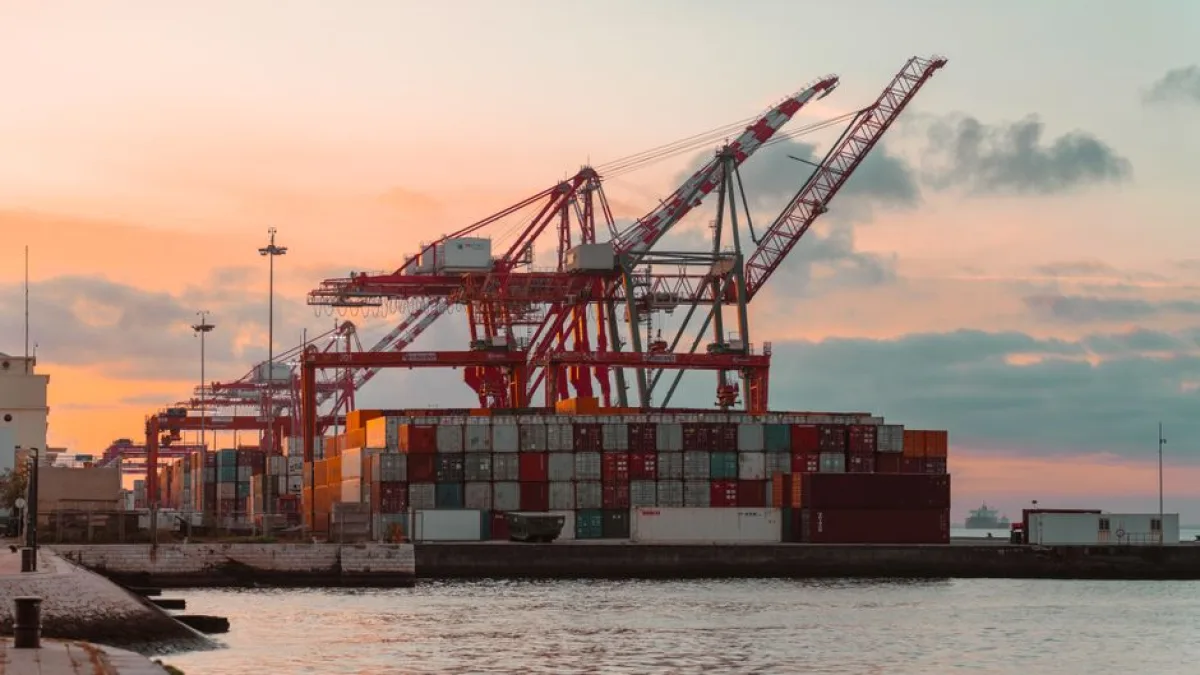
Achieving success in freight forwarding today requires a blend of human expertise and advanced cloud technology. By embracing automation, improving visibility, and prioritizing clear communication, you position your firm to overcome any logistical challenge. These improvements lead to happier clients and a more efficient workplace. Start refining your operational workflows today to stay ahead of the competition and build a future-proof logistics business.