Optimizing Freight Operations for Global Logistics Success
Tuesday, October 13 2026
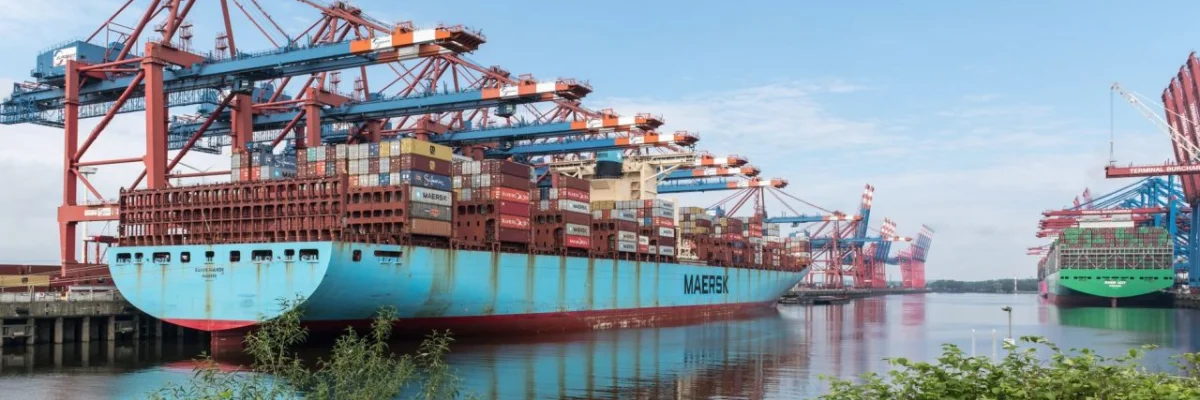
Modern freight forwarding requires a delicate balance between complex global regulations, fluctuating carrier rates, and the constant demand for real-time shipment visibility. As supply chain volatility becomes the new standard, freight forwarders must transition away from fragmented manual workflows and legacy systems. By embracing cloud-based digital infrastructure, professionals can reclaim lost time, reduce costly administrative errors, and improve communication across the entire logistics chain. This shift not only empowers teams to manage higher volumes with existing resources but also positions the business to provide superior service levels that drive long-term client retention in a highly competitive global market.
Digitizing Documentation Management

Transitioning from paper-heavy workflows to digital platforms eliminates the risk of misplaced documents and slows the processing speed for essential customs clearances. Digital storage ensures that compliance documents are instantly accessible for all authorized stakeholders across your global network.
- Automated Data Entry: Implement advanced optical character recognition tools to extract data directly from bills of lading, which drastically reduces manual typing errors and accelerates the processing of import paperwork.
- Centralized Document Repository: Maintain a single source of truth where every shipment document is stored in the cloud, allowing your team to access vital information from any location at once.
- Version Control Systems: Prevent confusion by utilizing systems that track document changes in real time, ensuring that all partners are working with the most recent version of cargo instructions.
- Encrypted Digital Signing: Replace outdated physical signatures with secure digital tools that satisfy international legal standards, speeding up the approval process for major freight agreements and urgent customs declarations.
- Enhanced Compliance Audits: Streamline the preparation for regulatory audits by organizing all historical documentation in searchable formats, making it easier to provide evidence for customs or industry regulators.
By shifting to digital documentation management, firms significantly reduce the time spent chasing emails or physical files. This foundational step allows operations teams to focus on high-value tasks like rate negotiations and customer relationship management. Ultimately, digitizing your workflow transforms the way your business handles compliance and accuracy, providing a measurable competitive advantage that scales as your company handles increasingly complex international freight shipping volumes.
Leveraging Real-Time Tracking Technology
Visibility is no longer a luxury but a fundamental expectation from every client moving goods internationally. Providing live updates on cargo location and status removes uncertainty and builds trust through transparency throughout the entire international transit lifecycle of the shipment.
- Live GPS Integration: Connect your operations platform directly with carrier APIs to receive automatic status updates, ensuring you always know the precise location of goods while in transit.
- Exception Management Alerts: Receive automated notifications when a vessel is delayed or a port encounter congestion, allowing your team to proactively communicate issues to clients before they notice.
- Customer Visibility Portals: Offer clients direct access to a personalized dashboard where they can view the real-time status of their shipments without needing to call or email staff.
- Predictive Arrival Estimates: Utilize historical data and current transit conditions to provide more accurate estimated time of arrival figures, helping clients better manage their own local inventory needs.
- Integrated Carrier Messaging: Centralize communications with ocean and air carriers within your tracking dashboard to keep all stakeholders aligned on the status of sensitive cargo shipments.
Adopting advanced tracking technology changes the conversation with your clients from reactive fire-fighting to proactive status reporting. When agents possess accurate data, they can manage expectations effectively even during unforeseen disruptions at major transshipment hubs. This level of reliability encourages repeat business and strengthens your reputation as a forwarder that prioritizes clear communication and operational efficiency at every stage of the transit.
Streamlining Carrier Rate Procurement

Managing multiple rate quotes from various ocean and air carriers often leads to significant inefficiencies and missed profit margins. Consolidating your procurement process into a unified platform allows for instant comparisons and data-backed decisions that optimize your overall freight spend.
- Dynamic Quote Comparison: Use software to aggregate quotes from multiple carriers side-by-side, making it effortless to identify the most cost-effective and efficient shipping routes for your clients.
- Historical Rate Analysis: Store past shipping costs to identify market trends and seasonal price fluctuations, which improves your future forecasting and allows for more strategic rate negotiations.
- Automated Quote Requests: Send out batch requests for freight quotes to your network of preferred carriers with a single click, saving hours of manual outreach time every single week.
- Margin Management Tools: Set automated markups on carrier quotes to ensure your team maintains consistent profit margins while staying competitive in the current international freight market landscape.
- Carrier Performance Scoring: Rank your carrier partners based on past transit times and billing accuracy to ensure you consistently choose the most reliable partners for your cargo.
Streamlined rate procurement is the key to maintaining healthy margins in a volatile market. By automating the comparison of different service levels and costs, your team can pivot quickly when carriers change their schedules or pricing structures. This operational agility ensures that your freight forwarding business remains profitable while consistently delivering high-quality routing solutions that meet the specific budget requirements of every customer.
Optimizing Warehouse and Yard Operations
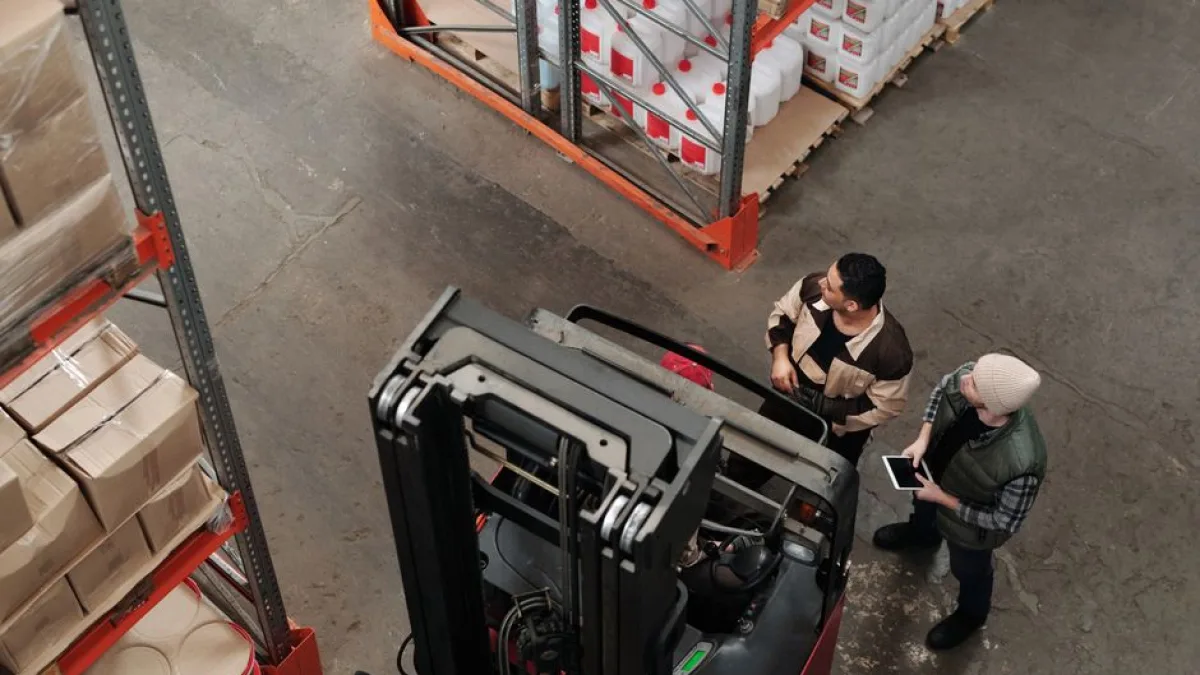
Efficient cargo handling at the warehouse level reduces dwell time and minimizes the risk of costly storage fees. Integrating your yard management software with core freight forwarding platforms creates a seamless handoff between land transport and international ocean or air transit.
- Inventory Tracking Integration: Sync warehouse stock levels with your main platform to ensure that documentation accurately reflects the current status of all goods awaiting further international distribution.
- Digital Loading Instructions: Send precise digital instructions to your warehouse staff regarding how to handle and load specific cargo types, reducing damage and ensuring faster container turnarounds.
- Yard Traffic Management: Coordinate truck arrivals and departures using scheduling software that reduces bottlenecks, helping your logistics operations stay on track despite busy peak seasons at the terminal.
- Automated Storage Monitoring: Set up alerts that track how long cargo has been sitting in storage, helping your team avoid surprise demurrage or detention charges for your clients.
- Enhanced Quality Control: Implement digital checklists for warehouse staff to perform upon cargo arrival, ensuring that damaged goods are documented and reported to the shipper immediately.
Optimizing warehouse operations is essential for preventing bottlenecks that delay international supply chains. By ensuring that cargo moves swiftly from the truck to the container, forwarders can avoid unnecessary fees and keep their promises regarding delivery timelines. Integrating warehouse data with your freight software ensures that every stakeholder remains informed, creating a cohesive operation that handles physical goods with the same precision applied to data.