Optimizing Freight Operations for Global Logistics Success
Saturday, October 31 2026

Modern freight forwarding requires a delicate balance of speed, accuracy, and regulatory compliance in an increasingly volatile global market. As supply chain complexities grow, traditional manual processes often become bottlenecks that hinder scalability and profitability. Forwarders must now transition toward integrated, cloud-based software solutions that provide real-time visibility across every stage of the shipment lifecycle. By embracing automation and data-driven insights, logistics professionals can reduce operational errors, improve communication with partners, and deliver superior service to their clients. This evolution in operational strategy is not just about adopting new technology but rather fundamentally transforming how your business manages complex cargo movements.
Streamlining Documentation Workflows

Digitizing paperwork is the first step toward achieving operational excellence within a busy brokerage office. By centralizing your documents, you eliminate the risk of lost files and significantly reduce the time spent searching for critical shipping data across disconnected email threads.
- Automated Data Entry: Implement smart systems that extract information from invoices and packing lists to reduce manual typing errors and speed up the entry of shipment details into your platform.
- Centralized Storage Hub: Create a single cloud repository where every stakeholder can access up-to-date versions of bills of lading, customs declarations, and certificates without needing to send multiple emails.
- Compliance Tracking Alerts: Set automated notifications for expiration dates on essential regulatory documents to ensure that every shipment adheres to international trade laws and stays on schedule daily.
- Seamless File Sharing: Utilize encrypted link sharing to provide secure, instant access to documentation for overseas agents, customs brokers, and end clients while maintaining strict control over permissions.
By moving your document management to the cloud, you minimize the common pitfalls associated with physical paperwork and static digital files. This transformation allows your team to focus on high-value tasks like customer service and exception management rather than administrative maintenance. Embracing a paperless workflow is a critical milestone for any forwarder looking to improve internal productivity while enhancing overall transparency for global trade partners.
Real-Time Cargo Tracking
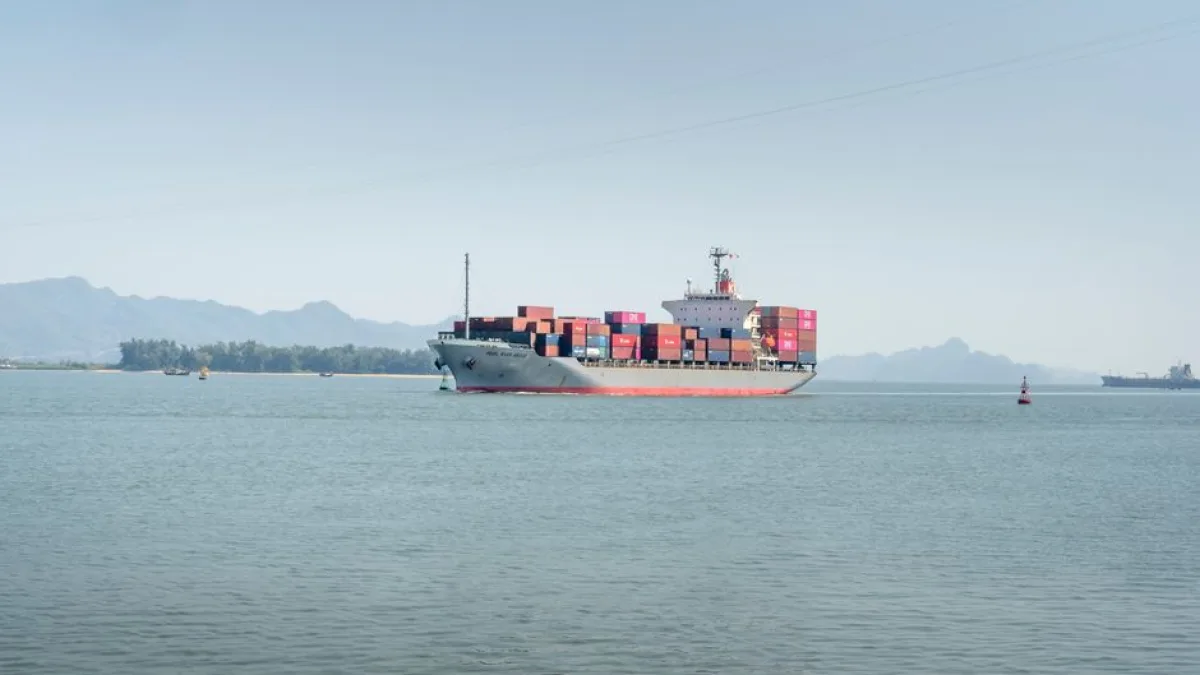
Providing customers with instantaneous updates on their cargo status builds immense trust and loyalty. Advanced tracking features integrated into your platform ensure that stakeholders receive automated status reports, keeping them informed from the point of origin to the final destination.
- Live Status Dashboards: Provide clients with a user-friendly interface where they can view real-time locations and carrier updates for all active shipments without needing to call your office.
- Automated Event Notifications: Configure proactive email or SMS alerts that trigger whenever a shipment reaches a specific milestone, such as customs clearance or arrival at the port.
- Carrier API Integration: Connect your software directly to major ocean and air carriers to pull live tracking data, ensuring the information you display is always perfectly accurate.
- Visual Mapping Tools: Incorporate interactive maps that allow customers to visualize the current route of their freight, offering a clear and professional view of their global logistics.
Transparency is no longer just a luxury but a fundamental expectation in the shipping industry. When you offer clients the ability to monitor their own cargo, you drastically reduce the volume of inbound status inquiry calls. This efficiency shift empowers your staff to resolve actual logistics exceptions quickly, transforming your service model from reactive firefighting into a proactive and highly professional management strategy.
Effective Carrier Communication

Maintaining strong relationships with carrier partners is essential for securing space and negotiating favorable rates. Efficient communication tools help ensure that you remain a preferred customer for carriers, even during periods of heavy seasonal demand and equipment shortages.
- Integrated Messaging Channels: Communicate with carriers directly within your platform to keep all discussions tied to specific shipment files, preventing important details from getting lost in general inboxes.
- Digital Rate Management: Simplify the process of receiving and comparing carrier quotes by using digital tools that aggregate options based on your specific route and budget requirements.
- Performance Review Metrics: Use built-in analytics to track carrier performance, including transit times and reliability, which helps you make informed decisions when selecting partners for future shipments.
- Booking Confirmation Automation: Streamline the booking process with automated confirmation requests, ensuring that your space is secured quickly without the need for endless back and forth messages.
When you consolidate your communication into a single platform, you create an audit trail that keeps everyone accountable and informed. This structured approach fosters better collaboration with service providers and helps you navigate complex logistical challenges with confidence. By removing friction from your partnership management, you ensure smoother booking processes and more reliable outcomes for the clients who rely on your expertise.
Data-Driven Decision Making

Harnessing the power of your operational data allows you to identify trends and optimize your business strategy. Analytical insights into profitability per shipment and lane performance enable smarter planning and more competitive pricing for your future logistics project bids.
- Profitability Analytics Tools: Review margin data for every lane and service type to identify where your business makes the most money and where costs need to be controlled.
- Operational Trend Reports: Identify seasonal demand shifts and bottleneck areas in your current workflow to allocate resources more effectively throughout the year during high volume periods.
- Custom Reporting Modules: Generate professional reports that demonstrate your performance metrics to stakeholders or clients, proving the value you bring through data-backed insights and consistent results.
- Resource Allocation Strategy: Analyze staff productivity data to understand which operational tasks require more automation or additional team members, allowing for smarter business scaling and growth.
Data is the most valuable asset in modern logistics, yet many forwarders leave these insights untapped. By systematically analyzing your shipment history, you can predict potential disruptions and adjust your strategy before problems occur. A proactive approach to business intelligence ensures that your company remains profitable and resilient, providing you with a significant competitive advantage over firms relying on outdated manual recordkeeping methods.
Conclusion
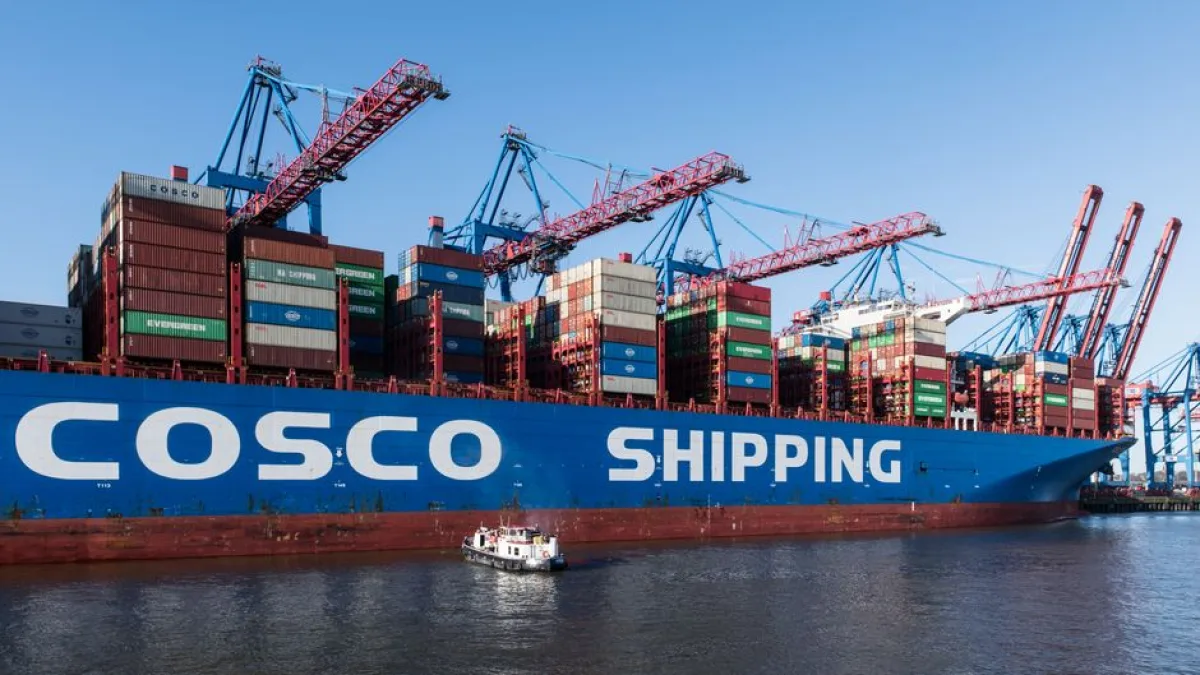
Mastering freight operations requires the right combination of technology, processes, and dedication to transparency. By implementing cloud-based solutions and embracing digital workflows, you set your business on a path toward long-term success and improved operational efficiency. Take the first step today by auditing your current processes and identifying areas where MakeCargo can help you streamline, scale, and provide exceptional service to your global shipping partners.