Optimizing Freight Operations for Modern Forwarders
Wednesday, July 29 2026
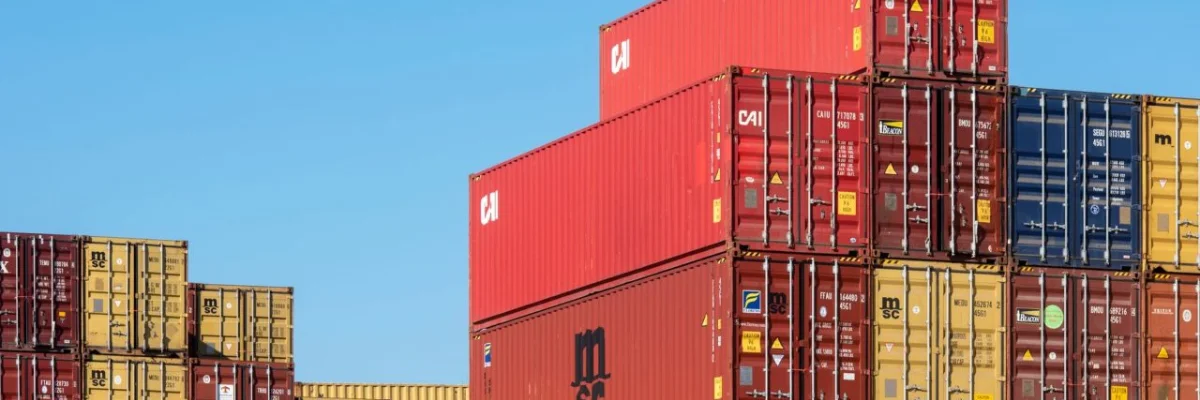
The global logistics landscape is changing at an unprecedented pace, demanding higher levels of agility and precision from freight forwarders. As supply chains grow more complex, manual processes and fragmented data silos become significant barriers to scalability and profitability. Forward-thinking companies are now moving away from legacy systems to embrace cloud-native technology that centralizes operations and enhances visibility. By integrating automated workflows, freight professionals can effectively manage multi-modal shipments, reduce costly human errors, and provide superior service to their clients. Embracing digital transformation is no longer a luxury but a fundamental necessity for staying competitive in today's fast-moving international shipping market.
Streamlining Documentation Workflows
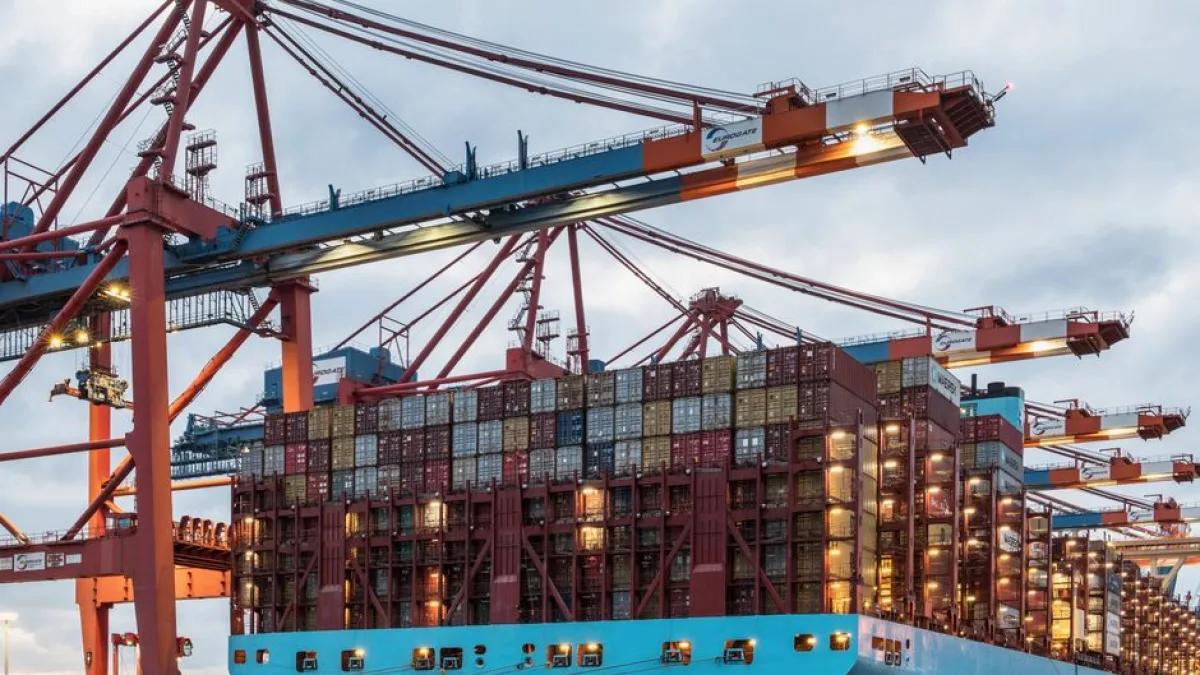
Digital document management systems transform the traditional paper-heavy workflow into a seamless electronic process. By capturing shipment data directly at the source, forwarders can ensure accuracy across bills of lading, commercial invoices, and customs declarations without manual re-entry.
- Automated Data Entry: Implement optical character recognition to pull vital information from physical documents directly into your operating system, which drastically reduces the time spent on manual data entry tasks.
- Centralized Document Storage: Maintain a secure cloud repository where every stakeholder accesses the latest versions of shipment files, ensuring total transparency and preventing communication gaps during international transit processes.
- Real-time Compliance Checks: Use software triggers to verify that all necessary regulatory paperwork is completed correctly before shipments reach customs, helping to minimize delays and avoidable financial penalties.
- Instant Client Sharing: Provide your customers with instant access to their digital documentation through a branded portal, which builds trust and improves the overall quality of your services.
Efficient documentation is the backbone of successful freight operations. By removing the reliance on physical files and scattered email chains, companies gain massive improvements in operational speed. When your team spends less time hunting for misplaced documents, they focus more on high-value tasks like customer relationship management and strategic route planning, leading to a direct increase in your operational profit margins.
Enhancing Real-time Shipment Visibility
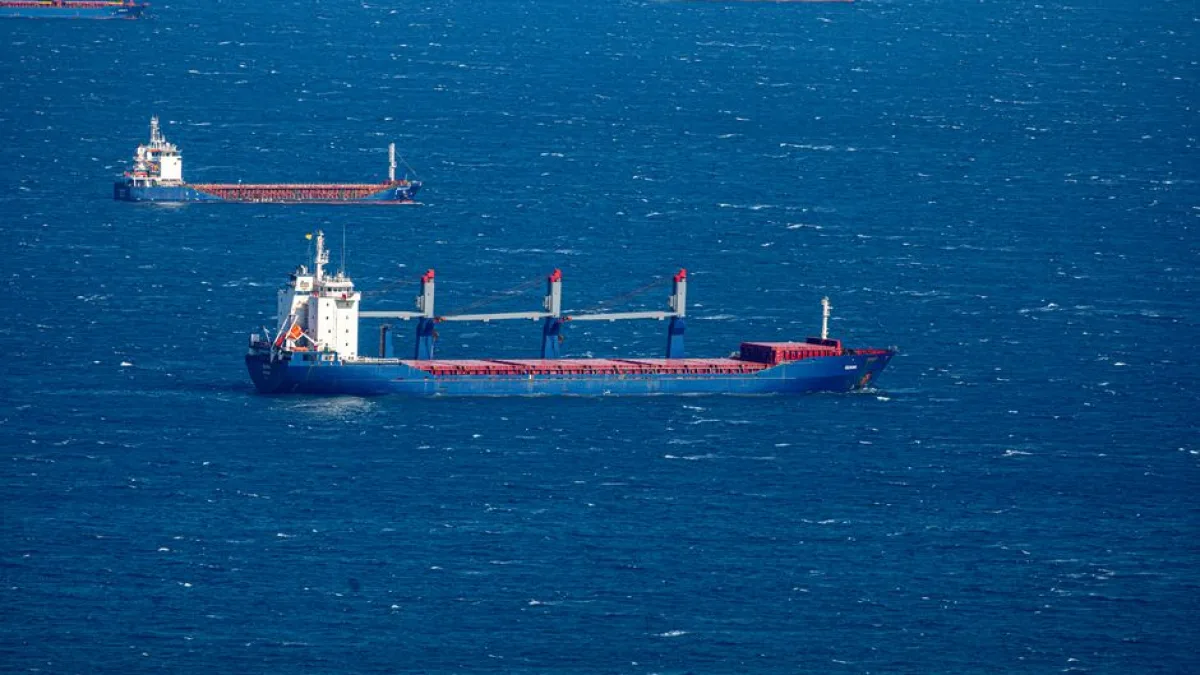
Modern clients demand instant status updates regarding their cargo. Providing real-time tracking capabilities allows freight forwarders to manage exceptions proactively and maintain high customer satisfaction levels throughout the entire journey of the shipment, regardless of the mode of transport.
- Live Tracking Integration: Connect your platform directly with carrier APIs to receive automatic updates on vessel movements, ensuring your team has the most accurate information available.
- Automated Status Alerts: Configure your system to push proactive notifications to clients whenever a milestone is achieved, which reduces the volume of manual status inquiry emails significantly.
- Proactive Exception Handling: Detect potential delays early through intelligent monitoring tools, allowing your logistics coordinators to find alternative solutions before the cargo arrival schedule is severely compromised.
- Interactive Cargo Dashboards: Visualize all active shipments on a single dashboard that highlights urgent tasks, which enables managers to allocate resources effectively during high-volume shipping seasons.
Visibility serves as the bridge between your service and the client experience. When shippers have clear insight into their supply chain, they feel more confident in your professional capabilities. Moving beyond basic tracking to provide comprehensive, data-driven insights creates a distinct competitive advantage. It keeps your operations transparent and helps you build long-term loyalty with your most important shipping partners.
Automating Financial Accounting Processes

Integrating financial modules with your core freight operations platform eliminates the gap between operational output and accounting accuracy. Automated invoicing and expense tracking help maintain a healthy cash flow while ensuring that all costs are captured and billed correctly.
- Dynamic Invoice Generation: Create professional invoices automatically based on completed shipment tasks, which prevents billing errors and ensures that all surcharges are included in every final statement.
- Streamlined Cost Reconciliation: Match carrier invoices against your internal shipment records instantly, helping you spot discrepancies early so you can address overcharges before they impact your margins.
- Automated Currency Conversion: Handle global shipments with ease by using built-in exchange rate tools that update automatically, ensuring accuracy in all your international financial reporting activities and tasks.
- Seamless Ledger Integration: Synchronize your freight platform with standard accounting software to keep your general ledger updated, reducing the workload for your accounting staff at month-end.
Financial health is the ultimate indicator of operational success. By automating the link between freight activities and accounting, forwarders avoid the hidden losses caused by missed charges or billing delays. This automated approach gives you the clarity required to make informed business decisions. When your financial operations run smoothly, you can focus on expanding your network and capturing new market opportunities.
Building Stronger Partner Relationships

Managing a network of carriers, agents, and customs brokers is a complex task. Using a collaborative platform ensures that all partners are working with the same data, which reduces misunderstandings and improves the overall reliability of your shipping services.
- Partner Access Portals: Grant your global agents secure access to your software, allowing them to upload local shipment data and updates directly into your centralized database efficiently.
- Unified Communication Channels: Replace scattered email threads with task-specific message boards linked to specific shipments, ensuring that all correspondence remains organized and easily retrievable by your team.
- Performance Analytics Dashboards: Evaluate your carrier performance using data gathered over time, which helps you make better decisions when selecting vendors for your future high-priority shipping routes.
- Standardized Operational Workflows: Enforce consistent operating procedures for all your partners, ensuring that your quality standards are met throughout every single leg of the international logistics journey.
The strength of your network determines the quality of your output. By providing your partners with the tools to work within your digital ecosystem, you foster a culture of accountability and precision. Effective collaboration tools turn a group of independent providers into a cohesive, high-performing team. Ultimately, this leads to fewer errors, faster problem resolution, and a significantly better end-user experience.
Conclusion

The future of freight forwarding rests on the successful integration of smart technology into everyday tasks. By centralizing documentation, automating finances, and fostering transparent communication, you position your firm for sustainable growth. Start upgrading your operational toolkit today to eliminate inefficiencies and provide the digital experience that modern shippers expect. Success awaits those who embrace the power of cloud-based freight innovation now.