Optimizing Freight Operations for Modern Forwarders
Wednesday, August 5 2026

The global logistics landscape is undergoing a massive transformation driven by rapid technological advancements and fluctuating market demands. For modern freight forwarders, staying competitive requires more than just traditional shipping expertise. Efficiency, transparency, and data-driven decision-making have become the new gold standard for success in this sector. By integrating cloud-based platforms, professionals can now bridge the gap between complex supply chain requirements and simplified operational workflows. This guide explores the essential best practices that empower forwarders to scale their operations, reduce manual errors, and provide superior client experiences while navigating the unpredictable challenges of international freight management.
Automating Documentation Processes

Modern documentation workflows require precision and speed to avoid costly delays at customs and ports. Automating data entry and document generation reduces the risk of human error while ensuring that every shipment file remains compliant with international trade regulations and standards.
- Eliminate manual entry: Implementing automated data capture tools allows your team to convert physical invoices and bills of lading into digital formats, saving countless hours of repetitive administrative labor.
- Standardize filing systems: Uniform digital filing structures ensure that every member of your team can locate critical documents instantly, which significantly reduces internal communication delays during busy transit periods.
- Compliance tracking tools: Integrated software solutions flag missing documentation before submission, preventing costly customs penalties and ensuring that your freight moves through international borders without any unexpected security interruptions.
- Client portal access: Providing clients with a secure portal for document retrieval improves transparency, builds long-term trust, and reduces the volume of repetitive status update emails to support.
- Error reduction strategies: By utilizing pre-defined templates for standard export declarations, you minimize the chance of incorrect information impacting the movement of goods through sensitive global trade lanes.
Adopting these automated processes allows your staff to focus on high-value tasks like strategic planning and customer relationship management. By removing the burden of repetitive paperwork, you empower your team to handle larger volumes of cargo with greater accuracy. This shift not only improves your overall operational margins but also positions your company as a reliable partner in an increasingly fast-paced global logistics market.
Enhancing Real-time Shipment Visibility
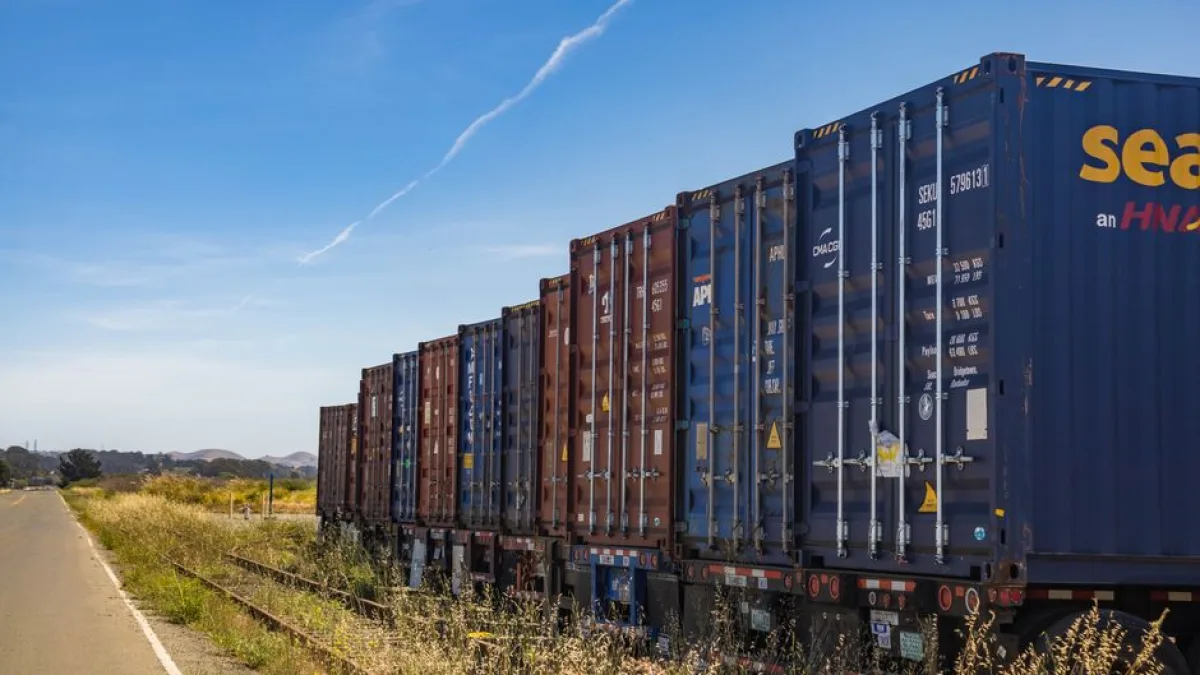
Providing clients with live updates on shipment locations has become a critical expectation in modern logistics. Utilizing cloud-based visibility tools empowers forwarders to offer granular tracking data, which minimizes anxiety for stakeholders and improves communication across the entire supply chain network.
- Live tracking updates: Integrating API connections with shipping lines provides your clients with precise real-time location data, which reduces the need for constant phone calls and manual status checks.
- Automated milestone alerts: Setting up automated notifications for key transit points ensures that your customers remain informed about their cargo status without requiring direct manual input from teams.
- Proactive disruption management: Real-time monitoring allows you to identify potential delays caused by weather or port congestion early, enabling you to propose alternative routing solutions before problems escalate.
- Data driven insights: Aggregated tracking data helps you identify recurring transit bottlenecks, allowing you to optimize future shipping routes and negotiate better service level agreements with your carriers.
- Unified control tower: A central dashboard creates a single source of truth for your entire organization, ensuring that everyone operates based on the most accurate and current shipment information.
Investing in visibility tools significantly elevates your service offering in a crowded marketplace. By proactively managing potential exceptions, you transform your role from a simple service provider into a strategic partner who keeps business moving despite global challenges. Clients value transparency, and providing them with an intuitive platform to monitor their freight creates loyalty that translates directly into long-term revenue growth for forwarders.
Optimizing Carrier Management Strategies

Maintaining healthy relationships with carriers is essential for securing consistent space and competitive rates during peak seasons. Effective carrier management involves a balanced approach of data-driven performance reviews and consistent communication to ensure that your freight remains a top priority throughout the year.
- Performance benchmarking tools: Consistently tracking carrier transit times and reliability metrics enables you to select the best partners for specific routes based on cold, hard data rather than assumptions.
- Strategic rate negotiation: Access to historical pricing trends allows you to negotiate more effectively with carriers, ensuring that you maintain healthy profit margins even during volatile market cycles.
- Communication channel integration: Centralizing your carrier interactions into a single platform ensures that no negotiation details or rate agreements are lost in scattered email threads or internal messaging.
- Diversify carrier partnerships: Relying on a broad network of reputable carriers provides essential redundancy, which protects your business from sudden capacity shortages or unexpected service failures in specific lanes.
- Regular compliance audits: Conducting routine reviews of your carrier certifications ensures that every partner you use meets the latest safety and environmental standards required by international regulations.
Strong carrier relations provide the necessary flexibility to handle sudden spikes in shipping demand. By analyzing performance metrics and keeping communication clear, you foster collaborative partnerships that benefit both your business and your customers. This systematic approach to managing your carrier base guarantees that you have the capacity and competitive pricing needed to win new projects and sustain your current operational momentum.
Scaling Through Cloud Software

Cloud software serves as the digital backbone for high-performing freight forwarders. It provides the scalability and security required to handle complex global operations while allowing teams to collaborate seamlessly from any location around the world without losing access to critical shipment data.
- Scalable cloud infrastructure: Cloud platforms adjust to your business growth, allowing you to add users and new office locations without the need for expensive hardware or complex IT installations.
- Secure data hosting: Professional cloud providers offer advanced security features, including end-to-end encryption and regular backups, which protect your company from data breaches and potential digital information loss.
- Enhanced team collaboration: Cloud access ensures that your logistics coordinators, finance teams, and management can access the same live data simultaneously, which speeds up internal decision-making and processes.
- Mobile accessibility features: Enabling remote access to your freight platform allows your team to manage urgent shipments and customer requests while traveling or working away from the office.
- Integration with accounting: Connecting your freight platform directly to financial software simplifies billing and invoicing, which significantly reduces the cycle time for processing payments and tracking operational costs.
The move to a cloud-based environment is no longer optional for firms aiming for long-term growth. By centralizing your operations, you eliminate silos and create a flexible working environment that attracts top industry talent. Embracing modern software allows your team to move faster and think bigger, providing the perfect foundation for scaling your business in the competitive and demanding landscape of global freight.
Conclusion

Optimizing your freight forwarding business requires a commitment to continuous improvement and the strategic adoption of modern technology. By automating documentation, enhancing visibility, managing carriers effectively, and embracing cloud software, you build a resilient foundation for success. Start refining your operations today to increase efficiency and deliver unmatched value to your clients. Your dedication to excellence will ensure sustainable growth in the future.