Optimizing Freight Operations for Modern Forwarders
Thursday, August 6 2026
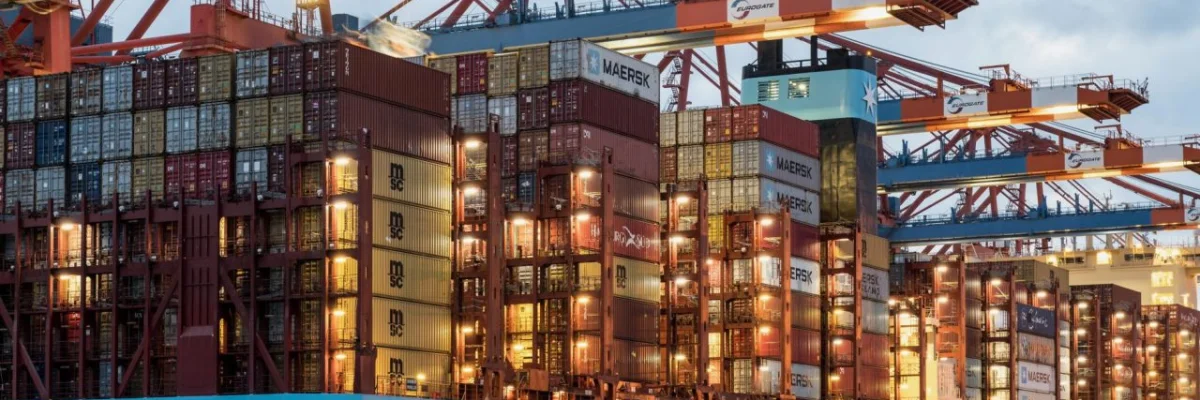
The global logistics landscape is undergoing a massive transformation driven by rapid digitization and heightened customer expectations for real-time transparency. Freight forwarders today face the dual challenge of managing complex supply chains while maintaining profitability in a hyper-competitive market. Success now depends on how effectively teams integrate technology to automate manual workflows and eliminate data silos. By leveraging smart cloud-based platforms, forwarders can enhance collaboration across departments, reduce operational errors, and provide superior service to shippers worldwide. Mastering these digital processes is no longer just a competitive advantage, it is an essential requirement for long-term growth and industry relevance.
Leveraging Automated Documentation

Transitioning from manual paperwork to automated documentation saves time and minimizes human error in critical shipping phases. Digital systems ensure that vital documents are accurate, accessible, and compliant with international standards throughout the entire cargo transport lifecycle.
- Centralized document management: Store every bill of lading and commercial invoice in a secure cloud repository to ensure your team retrieves essential files instantly from any global location.
- Automated data extraction: Use advanced software to pull critical data from scanned documents, effectively removing the need for manual entry and reducing potential typing mistakes during processing.
- Customizable compliance templates: Utilize pre-configured forms that adhere to regional regulations to guarantee that your documentation meets legal requirements without needing constant oversight from your senior staff.
- Version control tracking: Implement robust systems that track every change made to shipping files, providing a clear audit trail that improves transparency during complex customs clearances.
By shifting to digital workflows, teams can focus on strategic tasks rather than administrative burdens. This transition creates a seamless flow of information that benefits both your internal staff and your external clients. As you eliminate repetitive tasks, your forwarders become more agile and capable of handling complex logistical challenges. Efficiency gains achieved through automation are fundamental to scaling operations in a modern global market.
Enhancing Real-Time Shipment Visibility
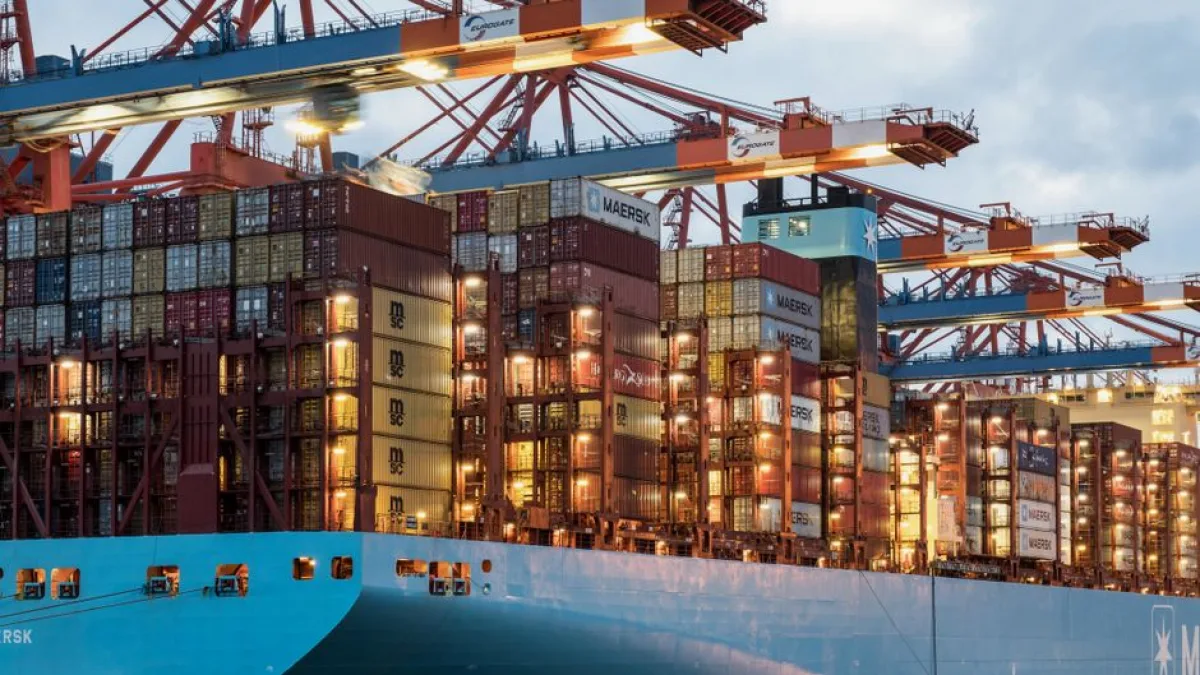
Providing clients with live tracking updates builds trust and fosters stronger professional relationships. Modern freight platforms offer granular visibility, ensuring that stakeholders stay informed about the exact location and status of their cargo during every stage of the journey.
- Live tracking portals: Offer your shippers a dedicated portal where they can view real-time status updates without needing to contact your operations team for manual status checks.
- Automated status alerts: Configure smart triggers that send notifications to clients whenever a milestone is reached, effectively reducing the volume of inbound emails and phone calls daily.
- Carrier integration tools: Connect your software directly with shipping lines and airlines to pull live data updates, ensuring that the information displayed to customers remains accurate.
- Exception management alerts: Receive immediate notifications for unexpected delays or port congestion, allowing your team to proactively solve problems before they impact the final delivery timeline.
Superior visibility serves as the backbone of modern freight forwarding excellence and customer satisfaction. When clients know exactly where their goods are, they manage their own inventory more effectively, which leads to increased loyalty. Providing high-quality data transparency turns your logistics services into a reliable asset. Using these advanced tools, your firm will stand out by consistently meeting delivery promises with precision.
Optimizing Partner Communication Channels

Clear communication between forwarders, carriers, and agents prevents costly misunderstandings that frequently delay shipments. Integrating collaborative tools directly into your operations platform ensures that every stakeholder remains on the same page regarding project requirements and delivery schedules.
- Integrated messaging systems: Communicate within the platform context to keep conversations linked to specific shipments, preventing vital instructions from being lost in crowded, unrelated email chains.
- Partner task assignment: Delegate specific responsibilities to external agents or carriers through the system, ensuring that every participant knows their exact role in the logistics chain.
- Document sharing permissions: Grant controlled access to specific vendors for document uploads, maintaining security while accelerating the flow of necessary information for urgent transit bookings.
- Performance tracking metrics: Monitor the responsiveness and reliability of your partner network to identify which agents provide the best service for your specific shipping routes.
Effective collaboration is the secret to resolving complex shipping issues before they escalate into major obstacles. When your team uses a unified platform to coordinate with partners, you eliminate the fragmentation that often plagues international logistics. Building strong, well-coordinated networks ensures that your operations remain smooth regardless of geographic barriers. This systematic approach saves time while building a dependable global supply chain.
Streamlining Financial Reporting Processes

Accurate financial reporting is vital for maintaining healthy cash flows and analyzing the long-term profitability of specific trade lanes. Integrating your accounting software with freight operations allows for seamless billing, automatic cost allocation, and deeper insights into your company financial health.
- Automated invoice generation: Trigger billable events automatically once a shipping milestone is confirmed, which accelerates your payment cycles and improves the overall accuracy of your corporate invoicing.
- Real-time profit analysis: View the exact margins on every shipment by automatically matching operational costs against client quotes, providing an instant snapshot of your current profitability.
- Currency conversion tools: Simplify international billing by using automated tools that apply current exchange rates for multi-currency transactions, ensuring accurate financial records across different global markets.
- Financial dashboard reports: Visualize your monthly revenue trends and cost breakdowns through customized reports that help leadership teams make informed decisions about future business strategy and growth.
Precise financial management is crucial for the sustainable growth of any freight forwarding enterprise. By automating the link between logistics operations and accounting, you remove the guesswork that often affects fiscal planning. Access to clean data allows your leadership team to optimize margins and improve resource allocation. These systematic financial improvements provide the stability needed to invest in future technology and expansion.
Conclusion

Mastering these best practices transforms your operations into a high-performance logistics machine. By prioritizing automation, visibility, collaboration, and financial accuracy, you position your firm as a leader in the global freight market. Start implementing these digital strategies today to reduce your overhead and maximize customer service. Reach out to the MakeCargo team to discover how our platform supports these operational goals effectively.