Optimizing Freight Operations for Modern Forwarders
Wednesday, August 19 2026
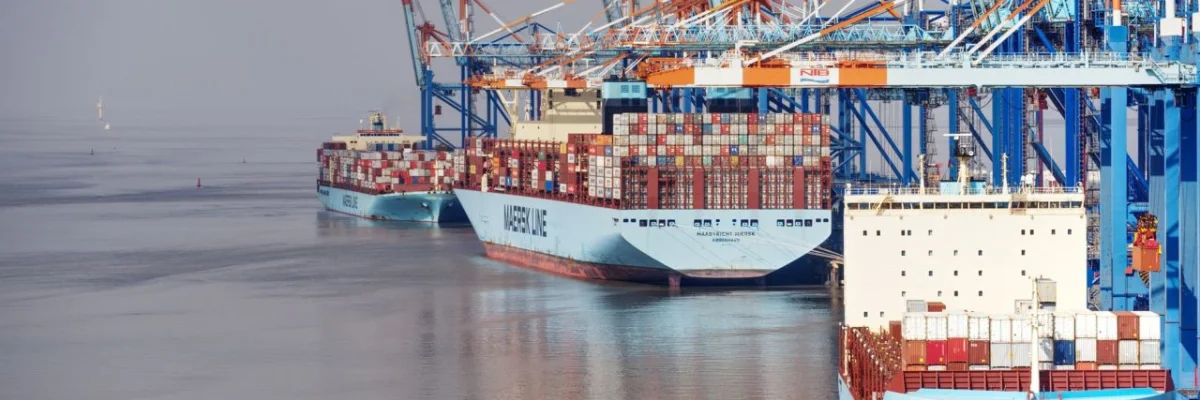
The global logistics landscape is undergoing a period of intense digital transformation that demands agility and precision from every freight forwarder. As supply chain complexities multiply, professionals must transition away from legacy manual processes toward integrated, cloud-based systems. By leveraging advanced data analytics and automated workflows, forwarders can significantly reduce operational overhead while enhancing shipment visibility for their clients. This shift is no longer just a competitive advantage but a fundamental requirement for long-term viability in an increasingly interconnected market. Adapting to these technological improvements enables companies to scale their capacity without compromising on service quality or speed.
Mastering Digital Documentation

Digitizing your documentation flow eliminates the bottleneck of manual paper handling and significantly reduces the probability of human error during entry. Modern systems allow teams to collaborate on shipping documents in real-time, ensuring accuracy across every international transaction.
- Cloud storage access: Centralize all your shipping documents in one secure repository that allows team members to retrieve critical paperwork from any location without delays or version control issues.
- Automated data extraction: Utilize optical character recognition tools to pull relevant information from invoices and packing lists directly into your system, effectively removing time-consuming and prone-to-error manual entry tasks.
- Secure electronic signatures: Accelerate the approval process for bills of lading and commercial invoices by implementing verified electronic signature workflows that satisfy both legal requirements and client needs.
- Real-time document tracking: Monitor the lifecycle of every document attached to a shipment to ensure that compliance requirements are met before vessels reach their destination ports or terminals.
By streamlining how your company handles documentation, you empower your staff to focus on higher value tasks like client communication and strategic growth. Removing the burden of manual data entry leads to a dramatic decrease in processing times and a corresponding increase in operational profit. Embracing these digital tools is the smartest way to ensure that your freight forwarding business remains agile in global trade.
Leveraging Automated Workflow Systems

Automating repetitive workflows transforms how your team handles cargo bookings and shipment milestones. Rather than manually updating spreadsheets, modern freight software triggers automated alerts and updates that keep all stakeholders informed throughout the entire logistics journey.
- Customizable status alerts: Set up automated notifications that inform your clients of specific shipment milestones, significantly reducing the volume of inbound emails your customer service team handles daily.
- Integrated booking modules: Connect your internal software directly to carrier APIs to secure space and equipment instantly, eliminating the need to toggle between different vendor websites and systems.
- Workflow rule triggers: Define specific operational paths for different cargo types to ensure that all mandatory checks and quality control steps are completed before the cargo ships.
- Standardized reporting tools: Generate performance metrics automatically to analyze carrier reliability and identify potential bottlenecks in your shipping lanes before they negatively impact your bottom line results.
Workflow automation removes the friction that often plagues traditional freight operations by ensuring that tasks are completed in a consistent and timely manner. This reliability fosters trust with your clients, as they no longer need to chase updates or worry about shipment status. When your internal processes run like clockwork, you can handle higher volumes of freight without increasing your operational team size.
Optimizing Carrier Management
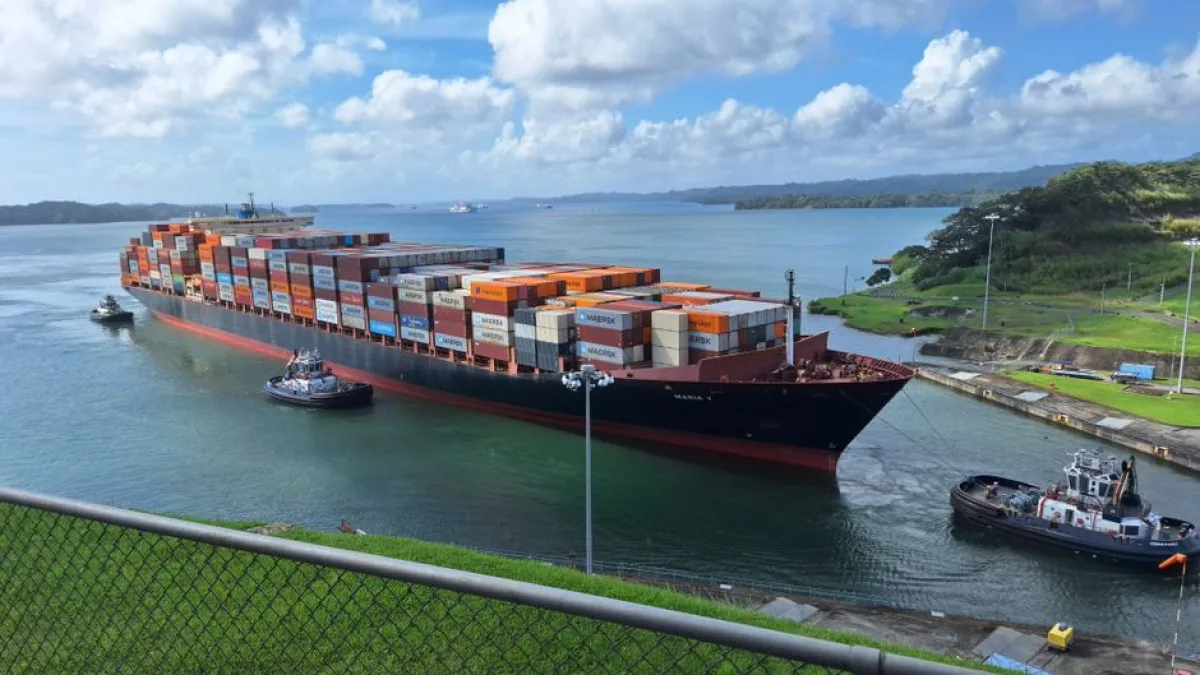
Effective carrier management relies on having a transparent view of performance metrics and pricing structures. Forwarders who utilize data-driven insights can negotiate better contracts and select the most reliable carriers for specific trade lanes, ultimately improving the delivery quality for end customers.
- Carrier performance dashboards: Track critical metrics such as on-time arrival, billing accuracy, and equipment availability to hold your logistics partners accountable for the services they provide you regularly.
- Dynamic rate management: Centralize all your spot rates and contract pricing in one platform to compare offers from multiple shipping lines and select the most cost-effective solution.
- Automated billing reconciliation: Compare carrier invoices against your initial bookings automatically to identify discrepancies, which prevents overcharges and ensures that your profit margins remain protected throughout the year.
- Predictive lane analysis: Use historical data to anticipate seasonal capacity constraints and prepare your bookings in advance to secure favorable rates even during peak demand periods for trade.
Managing carrier relationships with objective data ensures that your logistics network remains robust regardless of market fluctuations. By identifying which partners deliver the best value, you can build long-term partnerships that benefit both your company and the clients you serve. Strategic carrier selection, supported by clear performance analytics, turns a complex supply chain into a streamlined asset that drives consistent and predictable results.
Enhancing Customer Transparency

Modern clients expect real-time visibility into their shipments from origin to final destination. Providing a seamless tracking experience through a dedicated portal enhances your brand reputation and positions your firm as a forward-thinking partner in the global supply chain industry.
- Branded client portal: Provide your customers with a secure web interface where they can view shipment status, download documents, and check invoices without needing to contact your team.
- Proactive disruption alerts: Notify your clients instantly about delays or route changes, allowing them to adjust their inventory plans before a minor issue turns into a major problem.
- Consolidated shipment data: Offer a unified view of shipments across different transport modes, giving clients total clarity on their logistical footprint and helping them manage their supply chains.
- Feedback collection tools: Integrate simple rating systems within your tracking portal to gather client insights, enabling you to continuously improve your service quality based on direct user experiences.
Transparency is the bedrock of strong client relationships in the freight industry today. By removing uncertainty from the shipping process, you allow your customers to focus on their core business operations while you handle the complexities of logistics. An investment in visibility tools is ultimately an investment in client loyalty, ensuring that your customers remain with your firm for many years to come.
Conclusion

Transforming your freight operations requires a commitment to digital adoption and process refinement. By centralizing documentation, automating workflows, managing carrier performance with data, and prioritizing client transparency, you build a resilient business that can scale effectively. Evaluate your current software stack today and look for opportunities to integrate these essential pillars of modern logistics into your everyday workflow for long-term success.