Optimizing Freight Operations for Modern Forwarders
Sunday, August 23 2026
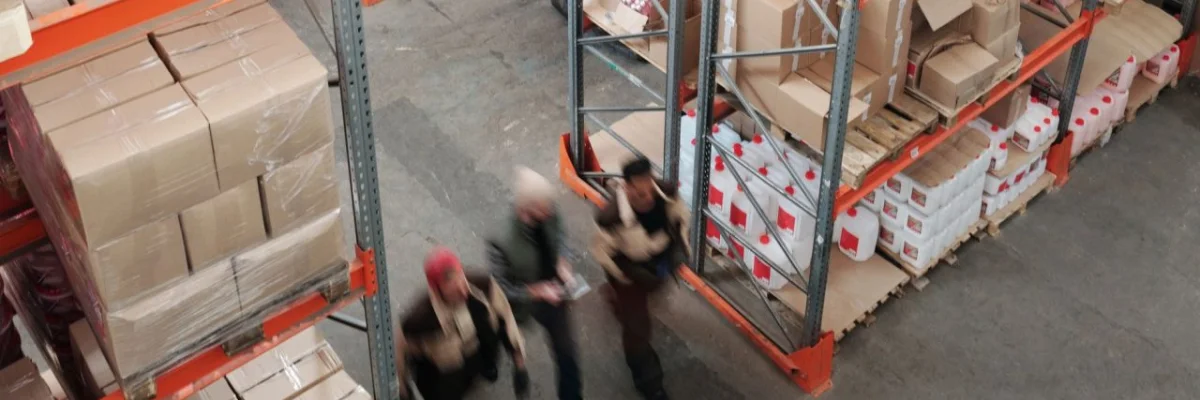
The global logistics landscape is evolving at a rapid pace, demanding that freight forwarders move beyond legacy systems to remain competitive. Efficiency is no longer just a goal but a necessity for survival in a market characterized by volatility and high customer expectations. By integrating cloud technology and automated workflows, forwarders can reclaim valuable hours previously lost to manual data entry and fragmented communication. This transition allows teams to focus on strategic growth and building stronger relationships with shippers. Embracing digital transformation helps your business scale effectively while ensuring that every shipment is tracked and managed with complete precision and reliability.
Mastering Automated Documentation

Manual document processing often creates significant bottlenecks that slow down your entire supply chain operation. Implementing automated solutions helps to ensure that bills of lading and invoices are generated without errors, saving time and reducing costly compliance risks for your logistics team.
- Automated Data Entry: Utilize intelligent software to extract information from documents automatically, which minimizes human error and significantly accelerates the speed at which your team can process daily freight documentation.
- Standardized Document Templates: Create consistent templates to ensure that every shipment follows the same regulatory requirements, helping your business maintain compliance while providing a professional appearance to all global clients.
- Digital Storage Solutions: Keep all shipping files in a secure cloud environment to provide instant access for your staff, reducing the need for physical filing cabinets and enhancing data security.
- Real Time Validation: Implement automated checks that verify shipment details against customs requirements, allowing your staff to fix errors before they escalate into expensive delays or massive regulatory fines.
Adopting these automated practices transforms how your office handles daily tasks. When your team stops chasing paper trails, they gain more capacity to serve customers and solve complex logistical problems. This proactive approach to documentation reduces the burden on your staff and creates a smoother workflow. As your operations become more efficient, you will see a direct increase in overall profitability and client satisfaction.
Enhancing Shipment Visibility
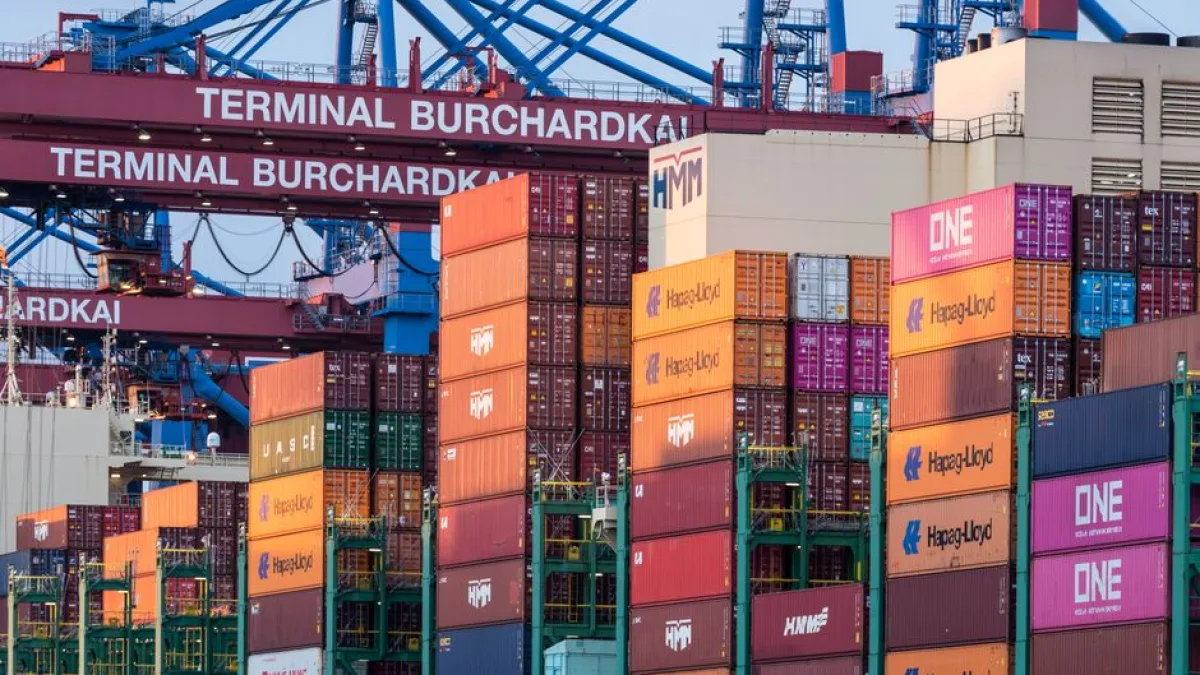
Providing customers with clear visibility into their freight location is a major competitive advantage in today market. Real time tracking solutions ensure that you can answer client inquiries immediately, building lasting trust and transparency within your professional shipping network.
- Live Tracking Integration: Connect your platform with carrier APIs to provide live updates on vessel locations, which keeps your clients informed without requiring them to call your office daily.
- Automated Status Alerts: Send proactive email or mobile notifications to your shippers whenever a shipment hits a key milestone, helping them manage their own inventory cycles with greater confidence.
- Integrated Port Data: Access live data from major ports to identify potential congestion before it affects your cargo, allowing you to suggest alternative routing options to your valued clients.
- Customized Client Portals: Give shippers direct access to a private portal where they can view shipment statuses and download key documents, reducing the need for constant manual status reports.
When you provide superior visibility, your brand becomes a trusted partner rather than just a service provider. Clients appreciate being kept in the loop without having to prompt your staff for updates. This level of service differentiates your freight forwarding business from competitors who rely on slow communication methods. Ultimately, visibility creates a seamless experience that encourages repeat business and helps solidify your industry reputation.
Optimizing Vendor Management

Managing your network of carriers and third party providers is vital for consistent service delivery. A centralized platform allows you to monitor vendor performance and negotiate better rates while maintaining high quality standards for every single cargo delivery project.
- Performance Scorecards: Track the reliability of your carriers by measuring transit times and cargo handling quality, which allows you to make informed decisions about your preferred partner selection.
- Centralized Partner Database: Maintain a single list of approved vendors with updated contract details, ensuring your staff always books with compliant and reliable partners for every specific route.
- Collaborative Communication Tools: Use internal messaging features to coordinate with carriers directly within your platform, ensuring that no important instructions are ever lost in cluttered email inboxes or archives.
- Competitive Rate Management: Store and compare pricing from multiple vendors to identify the most cost effective options, helping you protect your margins while offering competitive rates to shippers.
Streamlined vendor management ensures that your supply chain remains resilient even during periods of market instability. By cultivating strong partnerships based on clear data and communication, you can navigate disruptions more effectively. This structured approach allows your business to maintain service standards regardless of external pressures. Consistent vendor oversight is the foundation for a sustainable and profitable freight forwarding operation in any global market.
Improving Financial Accuracy

Precision in billing and accounting prevents revenue leakage and keeps your business in a strong financial position. Cloud platforms offer the tools necessary to manage quotes and invoices with total accuracy, ensuring your margins are protected throughout the shipment life cycle.
- Automated Invoice Matching: Automatically compare carrier invoices against original quotes to ensure you are never overcharged, saving your accounting department hours of tedious manual review each month in cycle.
- Dynamic Quote Generation: Provide your clients with instant and accurate quotes that account for current market rates, which improves conversion rates and ensures your pricing remains competitive today.
- Real Time Profit Analysis: View the profit margin on every individual shipment in real time, allowing you to identify trends and adjust your strategy to maximize your overall business income.
- Seamless Accounting Integration: Connect your freight software to your existing accounting system to eliminate double entry errors and ensure that all financial data remains synchronized across your company.
Taking control of your finances through digital tools ensures that every shipment contributes to your bottom line. Eliminating manual billing errors and tracking profit margins closely allows for smarter business decisions. When your financial operations are accurate and transparent, you can focus on growing your business with the confidence that your processes are robust. A solid financial foundation supports long term success and expansion.
Conclusion

Improving your freight forwarding operations requires a blend of technology and clear strategic processes. By automating your documentation, enhancing shipment visibility, managing vendors efficiently, and maintaining financial precision, you position your firm for sustained growth. Start implementing these best practices today to streamline your workflows and elevate your service standards. Reach out to MakeCargo to see how our platform can support your team.