Optimizing Freight Operations for Modern Forwarders
Thursday, August 27 2026

Freight forwarding is undergoing a profound digital transformation that demands agility and precision from logistics providers. As global supply chains become increasingly complex, the ability to manage shipments with speed and transparency has become a critical competitive advantage for agencies of all sizes. Professionals who embrace automation and cloud-based management tools are better positioned to reduce administrative overhead and improve client satisfaction levels. By refining internal processes and leveraging real-time data, companies can overcome traditional operational bottlenecks, ensure seamless communication across international borders, and ultimately build a scalable foundation for sustainable business growth in this fast-paced industry.
Streamlining Documentation Workflows
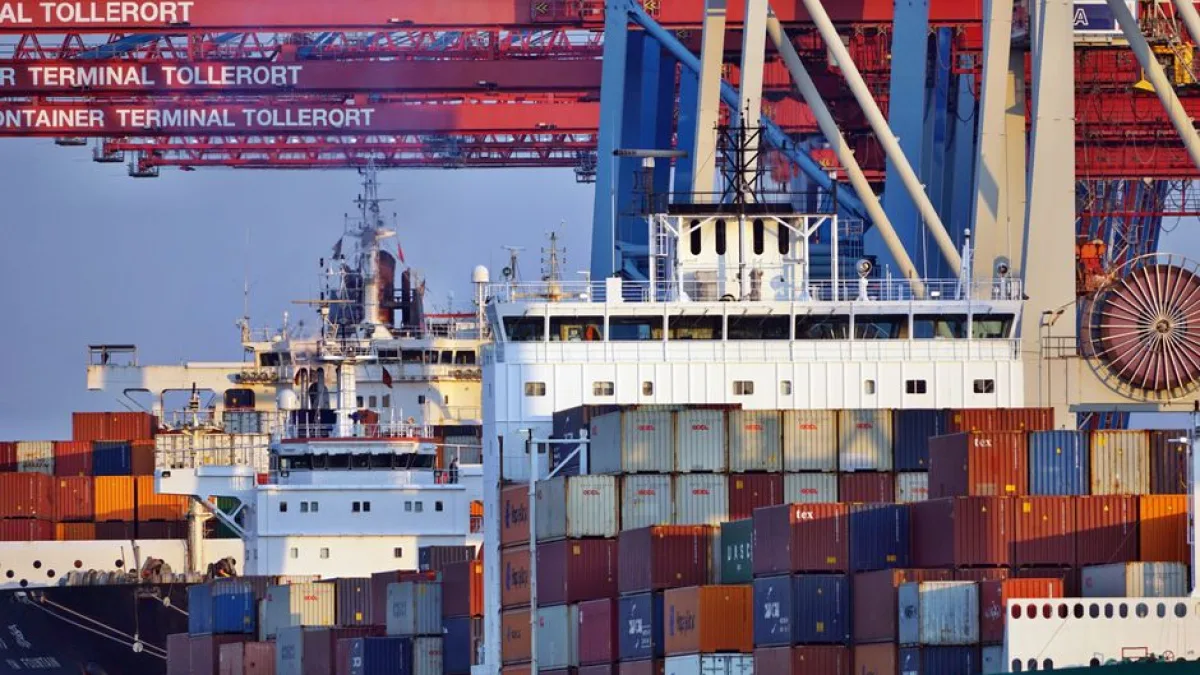
Managing heavy paperwork requires careful attention to detail and a commitment to digital organization to avoid costly delays. Transitioning from manual input to automated document handling allows teams to focus on strategic tasks instead of repetitive data entry errors.
- Automated Data Capture: Modern software tools extract essential information from bills of lading and invoices instantly to reduce manual input errors and speed up the entire processing cycle for teams.
- Centralized Document Storage: Keeping all critical shipment records in a secure cloud repository ensures that every team member can access vital files quickly without searching through physical filing cabinets.
- Error Detection Systems: Advanced algorithms flag discrepancies in customs filings or weight declarations before they reach authorities to prevent expensive fines and long hold-ups at international border crossings.
- Integrated Signature Workflows: Digital signing capabilities remove the need for physical printing and scanning to accelerate approval processes between freight forwarders, carriers, and shippers across different time zones.
By digitizing the paper trail, forwarders can reclaim hours of lost time every single week. This shift not only improves internal productivity but also enhances the professional experience for clients who expect fast digital interactions. When documents flow automatically through a centralized platform, teams experience fewer communication breakdowns and maintain a clearer audit trail, ensuring that operations remain compliant and efficient throughout the shipping cycle.
Enhancing Carrier Communication
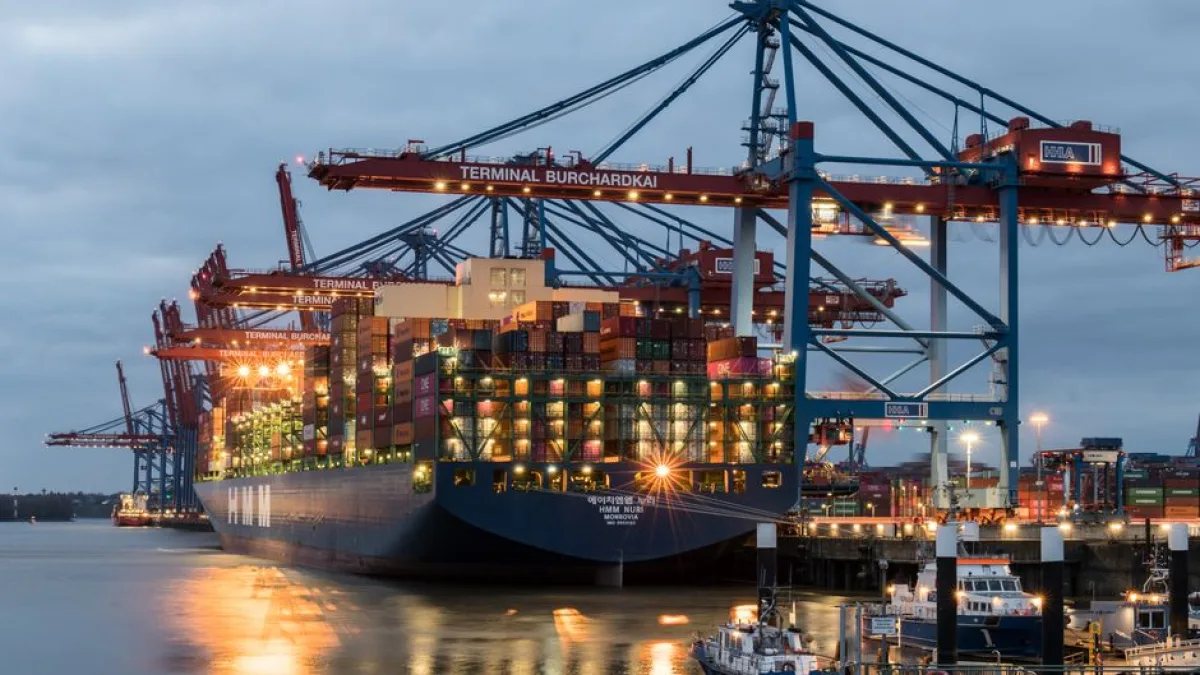
Strong partnerships with carriers depend on clear and constant updates regarding shipment status and capacity availability. Using digital portals to coordinate logistics ensures that everyone involved stays informed and responsive, reducing the risk of misaligned expectations or sudden cargo issues.
- Real Time Messaging: Instant communication channels allow forwarders to discuss capacity shifts or route changes with carrier agents immediately to keep sensitive supply chains moving without unnecessary platform switching.
- Automated Status Updates: Sending automatic notifications to partner carriers ensures they are always aware of pick-up requirements and delivery windows to avoid scheduling conflicts or idle truck time.
- Collaborative Booking Portals: Shared digital spaces enable forwarders and carriers to confirm space bookings instantly while reducing reliance on long email chains that often result in missing details.
- Performance Analytics Dashboards: Evaluating carrier reliability based on past performance data helps forwarders select the best partners for specific routes while maintaining high standards of service for clients.
Improved coordination between freight forwarders and carriers is essential for meeting tight delivery deadlines in a competitive market. By replacing fragmented email chains with integrated messaging systems, companies can ensure that every party remains aligned on shipment requirements. This proactive approach to communication reduces the likelihood of cargo abandonment or delays, building long-term trust that strengthens the entire logistics network for future shipments.
Managing Real Time Tracking
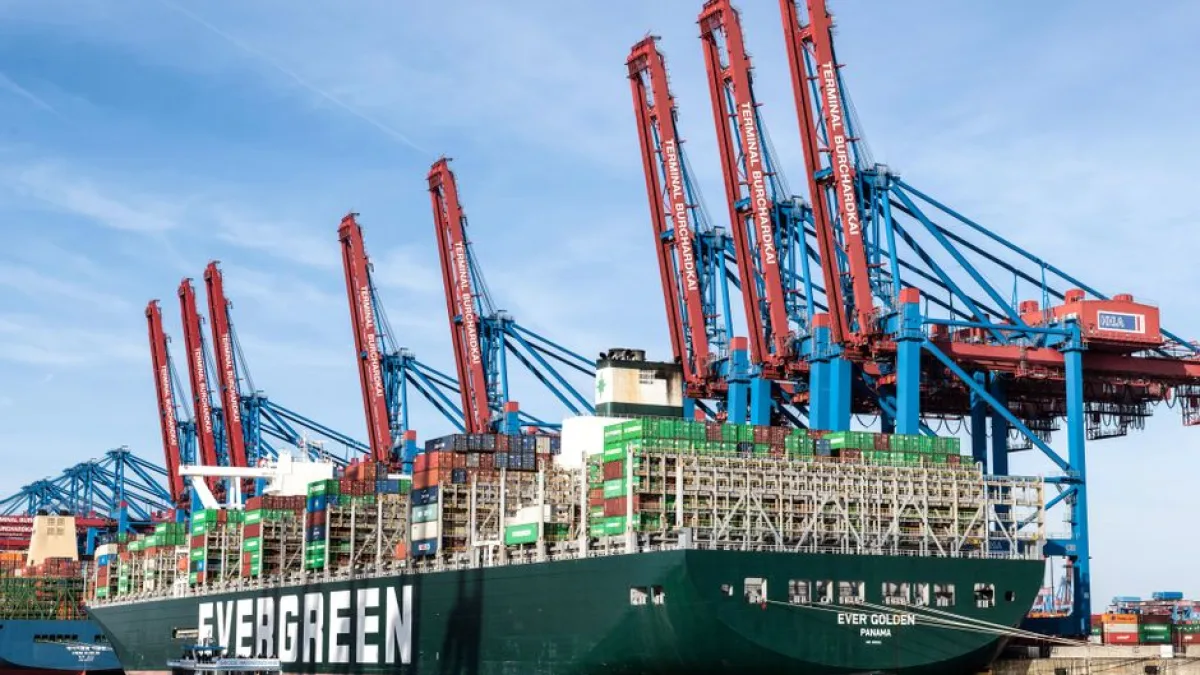
Visibility is the cornerstone of modern logistics, providing peace of mind to clients who need to know exactly where their high-value cargo is located at any moment. Effective tracking requires robust technical integration between various transport modes and partners.
- Automated Milestone Notifications: Providing clients with live updates whenever cargo reaches a new port or transit hub builds confidence in the shipping process and reduces support ticket volume.
- Unified Tracking Displays: Consolidating location data from various carriers into a single screen allows freight forwarders to monitor multiple active shipments without switching between separate browser tabs.
- Exception Management Tools: Smart software alerts teams to weather delays or port congestion immediately so they can proactively inform customers and offer alternative route solutions before problems escalate.
- Predictive Arrival Estimates: Utilizing historical data to generate accurate arrival times helps forwarders set realistic client expectations and manage destination warehouse staffing more effectively during busy shipping seasons.
When clients have constant access to accurate tracking information, they stop feeling anxious about their shipments, which improves your agency reputation significantly. Implementing high quality visibility tools allows you to solve problems before the client even realizes a delay has occurred. This level of transparency distinguishes professional freight forwarders from their competitors, positioning your company as a reliable leader in global trade logistics.
Scaling Through Financial Automation

Financial health is the backbone of any successful freight forwarder, requiring precise accounting and fast invoicing to maintain steady cash flow. Automation in the back office minimizes the time spent on billing while maximizing your overall profitability and operational speed.
- Instant Invoice Generation: Automated billing systems create professional invoices the moment a shipment reaches its destination to ensure that payment cycles start immediately without any unnecessary delays.
- Currency Exchange Management: Integrated tools handle complex international currency calculations to ensure that every invoice reflects current rates and avoids profit loss due to fluctuating market trends.
- Automated Payment Reminders: Sending gentle, automatic follow-up emails to clients with outstanding balances helps maintain consistent cash flow without requiring uncomfortable manual conversations between staff and customers.
- Expense Tracking Modules: Monitoring costs per shipment in real time allows freight forwarders to identify which routes or carriers offer the best margins for their business operations.
Streamlined financial processes enable your team to focus on growing the business rather than chasing down unpaid bills or calculating costs manually. By automating these essential tasks, you reduce the human error factor and ensure that your company remains profitable despite the volatility of global markets. Robust financial oversight is the key to sustainable growth and long term success in the logistics industry.
Conclusion

Integrating these operational strategies into your freight business creates a foundation for efficiency and growth. By prioritizing digital tools and automated workflows, forwarders can handle more volume with greater ease while providing superior service to their global client base. Adopt these practices today to modernize your operations and secure your position as a forward-thinking player in the competitive world of international logistics management.