Optimizing Freight Operations for Modern Forwarders
Saturday, August 29 2026

Modern freight forwarding requires a delicate balance of speed, precision, and technology to remain competitive in a volatile global market. As supply chain complexities increase, firms must move beyond manual processes to embrace cloud-based automation. By centralizing documentation, shipment tracking, and communications into a single digital ecosystem, forwarders can significantly reduce error rates and improve customer satisfaction. This shift allows logistics teams to focus on high-value strategic decision-making rather than repetitive data entry. Adopting these advanced operational standards is no longer just an advantage but a fundamental necessity for any business aiming to scale effectively and maintain long-term industry relevance.
Digitizing Operational Workflows

Modern digital tools transform how teams manage daily documentation and shipment flows. By replacing legacy spreadsheets with cloud-based platforms, forwarders gain immediate visibility into every stage of the transit process, which minimizes bottlenecks and speeds up the entire booking lifecycle significantly.
- Centralized Data Management: Storing all shipment details in a single cloud platform ensures that every team member accesses real-time information, which prevents communication silos and reduces costly human data errors.
- Automated Document Generation: Intelligent software templates allow staff to generate bills of lading and commercial invoices instantly, saving hours of manual labor while maintaining strict international compliance standards consistently.
- Cloud Collaboration Tools: Integrated communication features enable forwarders, agents, and clients to exchange critical updates within the platform, eliminating the need for fragmented email chains and misplaced file attachments.
- Real-time Status Tracking: Advanced tracking modules provide live updates on vessel locations, which allows companies to offer proactive customer service by notifying clients before delays even impact their schedules.
- Seamless API Integrations: Connecting your freight platform with carrier systems enables automatic data synchronization, ensuring that tracking numbers and pricing updates remain accurate without requiring any manual intervention daily.
Transitioning to a fully digital workflow is the first step toward operational excellence. By investing in scalable cloud solutions, forwarders reduce the friction associated with manual document handling and team communication. This transformation empowers your staff to handle higher shipment volumes without increasing headcount. Ultimately, digital maturity drives efficiency, allowing your firm to deliver superior service levels that set you apart from your competitors.
Enhancing Shipment Visibility
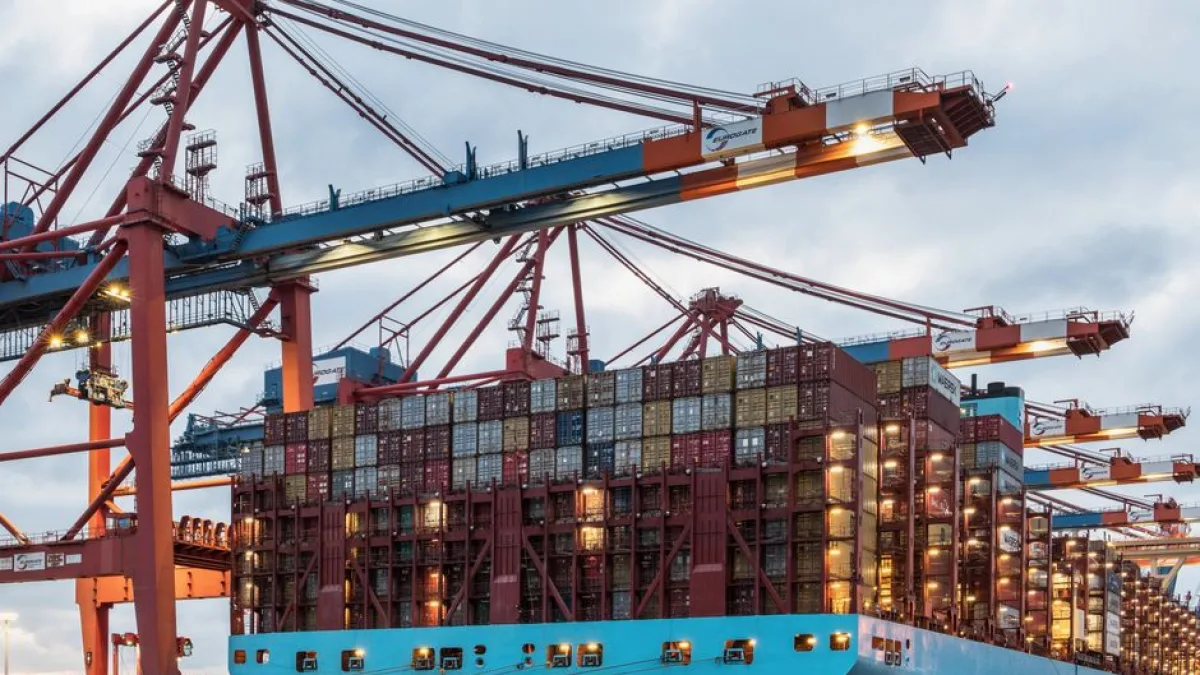
Transparency is the most critical demand of today's shippers who require constant updates regarding their cargo. Utilizing advanced visibility tools allows forwarders to provide precise ETAs and monitor environmental conditions, ensuring that transparency remains a core component of your service.
- GPS Tracking Integration: High-tech sensors provide granular location data for shipments across ocean and land, which allows teams to anticipate potential delays before they escalate into major problems.
- Carrier Portal Synchronization: Automatically pulling status updates from major shipping lines directly into your dashboard saves valuable time for operations staff, removing the need for manual status checks.
- Proactive Exception Alerts: Intelligent systems trigger automated notifications when a shipment hits a delay, enabling you to inform customers quickly and discuss alternative routing options before trouble arises.
- Custom Client Portals: Providing your customers with a dedicated access window to their shipment data increases trust and reduces the volume of repetitive status inquiry emails and calls.
- Temperature Monitoring Solutions: For sensitive cold-chain cargo, integrated monitoring devices track thermal status in real-time, helping to prevent spoilage and protecting the financial value of sensitive client shipments.
Visibility serves as the backbone of high-quality freight forwarding. When you provide accurate information to stakeholders, you build lasting trust that fosters loyalty and long-term business partnerships. Leveraging technology to offer 24/7 visibility transforms your operation from a simple service provider into a strategic partner. This level of transparency is essential for navigating modern global trade complexities while maintaining high levels of client satisfaction.
Automating Financial Processes

Financial management often suffers from manual billing delays and reconciliation errors. Automating your invoicing and accounting tasks ensures that cash flow remains consistent while reducing the administrative burden on your finance team during the busy monthly closing periods.
- Instant Invoice Generation: Software solutions pull cost data directly from shipment files to create professional invoices immediately, which accelerates the billing cycle and improves overall company cash flow health.
- Automated Cost Auditing: Built-in validation rules check carrier invoices against original quotes to identify overcharges, saving the company money by preventing payment errors and ensuring accurate billing processes.
- Integrated Payment Gateways: Allowing customers to settle invoices through digital portals reduces the time spent on chasing payments and simplifies the reconciliation process for your internal finance departments.
- Multi-currency Support Tools: Advanced financial modules handle complex currency conversions automatically, ensuring that international billing remains accurate despite fluctuations in global exchange rates or regional financial regulations daily.
- Financial Reporting Insights: Generate detailed profit and loss statements per shipment or client instantly, which provides management with the data needed to make informed strategic business decisions quickly.
Efficient financial operations are vital for maintaining healthy margins and sustaining growth in the competitive logistics industry. By automating invoicing and cost auditing, you eliminate the delays that typically plague manual accounting systems. These improvements not only save time but also ensure that your financial data is always precise and actionable. This level of fiscal control provides a stable foundation for expanding your freight operations.
Scaling Through Strategic Tech

Scaling your operations requires a robust infrastructure that adapts to changing market demands. Integrating scalable software ensures that as your company grows, your systems continue to support increased shipment volumes and more complex logistics requirements without experiencing downtime or performance lags.
- Cloud Based Scalability: Modern software environments allow you to add users or modules instantly, supporting your business expansion without the need for expensive hardware investments or lengthy installation processes.
- Custom Workflow Automation: Configure your software to match your specific business processes, which allows teams to automate unique tasks and maintain high productivity even as volume grows.
- Advanced Data Analytics: Leverage historical performance data to identify trends and optimize carrier selection, which helps you negotiate better rates and improve service reliability for your clients long-term.
- Robust Security Standards: Professional cloud platforms include enterprise-grade encryption and regular security updates, which protect sensitive client information from cyber threats and ensure compliance with international data regulations.
- Employee Training Support: Leading freight software providers offer extensive onboarding resources and support, ensuring your team adapts quickly to new tools and reaches maximum efficiency levels in record time.
Technology serves as the primary engine for growth in the modern freight industry. By choosing platforms that grow with your company, you avoid the risks of operational stagnation and technical debt. Investing in scalable architecture today prepares your firm for the challenges and opportunities of tomorrow. As you expand, these digital tools will continue to facilitate efficiency, allowing you to dominate your market segments.
Conclusion

Advancing your freight operations requires a commitment to digital transformation and continuous process improvement. By integrating cloud technology, enhancing shipment visibility, automating financial workflows, and prioritizing scalable systems, your firm can achieve greater efficiency and superior client service. Start optimizing your operations today to build a resilient and competitive logistics business that thrives in the dynamic global environment of modern international trade.