Optimizing Freight Operations for Modern Forwarders
Monday, August 31 2026
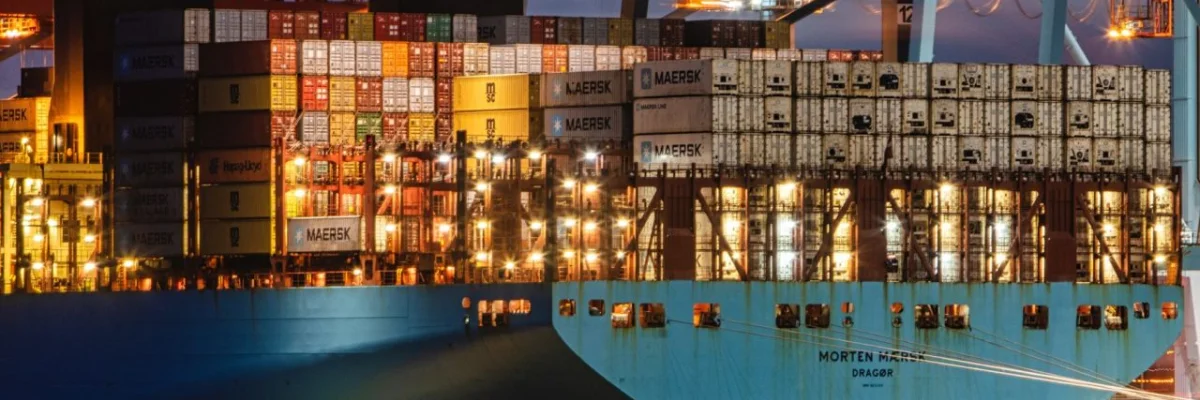
The global freight landscape is changing at an unprecedented pace, driven by volatile demand and rising consumer expectations for transparency. For modern freight forwarders, the ability to pivot and adapt operations is no longer just an advantage but a fundamental necessity for long-term survival. As businesses scale, manual processes and fragmented data silos become significant roadblocks to efficiency. By leveraging cloud-based platforms, logistics providers can unify their workflows, automate repetitive administrative tasks, and gain the real-time visibility required to make data-driven decisions that ultimately protect margins and improve client satisfaction in a highly competitive and complex international marketplace.
Digitizing Operational Workflows

Transitioning from paper-heavy methods to a digital operational ecosystem allows forwarders to centralize information. This shift reduces reliance on manual data entry and minimizes human error, ensuring that every stakeholder has access to the most accurate information during the shipping process.
- Automated Data Entry: Implement automated capture systems to extract shipment details from incoming documents, drastically reducing manual processing time while improving the overall accuracy of your core logistics data.
- Centralized Document Storage: Maintain a single source of truth by storing all shipping documents, invoices, and customs declarations in a secure, cloud-based repository accessible from any location.
- Standardized Operational Templates: Utilize pre-built templates to ensure consistency across your team, reducing the onboarding curve for new employees and maintaining high quality standards for every single shipment.
- Real-time Workflow Visibility: Track every stage of the logistics process through a unified dashboard that highlights pending tasks, upcoming deadlines, and potential bottlenecks before they impact your clients.
Adopting digital workflows represents a major milestone for any forwarder looking to scale operations sustainably. By removing the friction caused by disparate spreadsheets and physical files, teams can focus their energy on high-value tasks such as exception management and client relations. This transformation not only saves significant time but also fosters a culture of transparency that clients expect from modern, professional logistics partners.
Streamlining Multi-modal Logistics
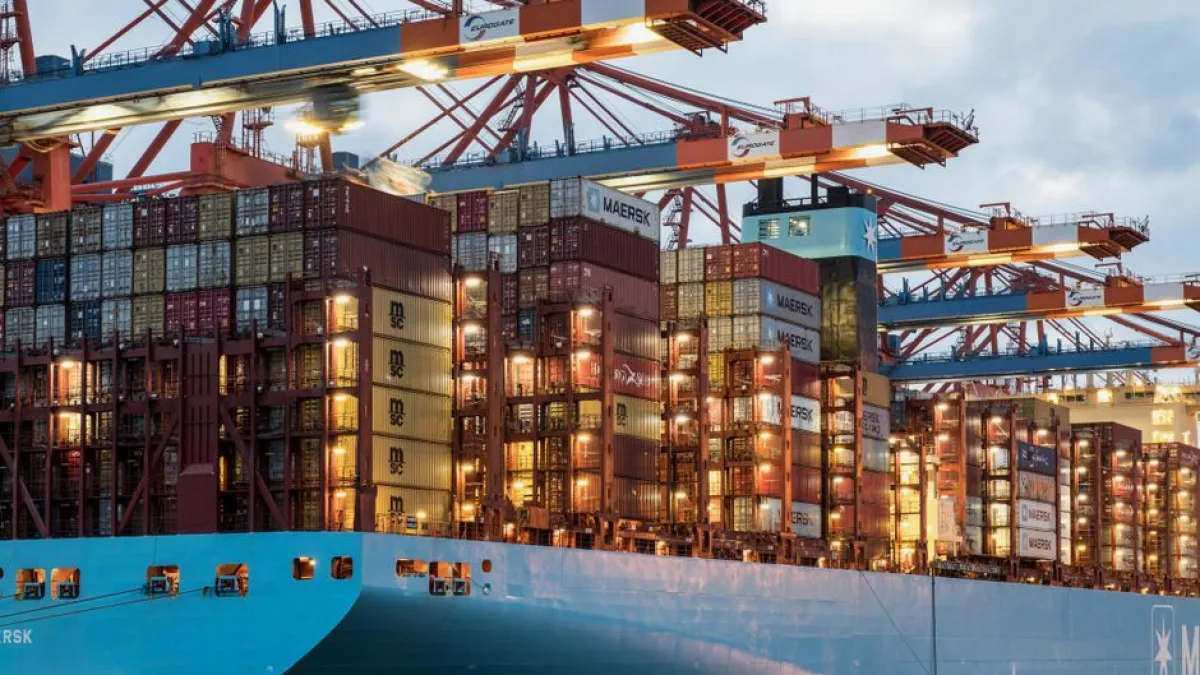
Managing multiple modes of transport requires a sophisticated level of coordination to ensure seamless transitions. Integrating air, sea, and road freight within a single platform allows forwarders to orchestrate complex shipments while maintaining constant communication between various carriers and clients.
- Unified Carrier Management: Organize all carrier contacts, rates, and historical performance metrics in one place to simplify the booking process and ensure you choose the best routes.
- Dynamic Route Planning: Utilize smart tools to compare transport modes and carriers based on cost, speed, and reliability, allowing for more informed decisions on complex shipping routes.
- Seamless Transit Monitoring: Maintain visibility across different legs of the journey by connecting digital updates from various logistics partners into a single, cohesive view for stakeholders.
- Automated Milestone Tracking: Configure automatic status updates for key transit milestones, ensuring that your clients receive timely notifications without requiring manual intervention from your internal operations staff.
Efficiently handling multi-modal freight is the cornerstone of a successful forwarding business. When you leverage technology to connect the various stages of the supply chain, you eliminate the confusion often associated with intermodal transit. This clarity builds deep trust with your customer base and empowers your team to handle larger shipment volumes without increasing the headcount or sacrificing the quality of service.
Automating Financial Accounting

Financial health depends on the precision of your invoicing and cost control measures. Automating the accounting side of your freight operations ensures that every shipment is profitable and that invoices reach your clients without the usual delays caused by reconciliation.
- Instant Invoice Generation: Automatically generate professional invoices based on shipment data as soon as tasks are completed, ensuring faster payment cycles and improved cash flow for your business.
- Accurate Cost Reconciliation: Compare incoming carrier invoices against original quotes to identify discrepancies immediately, preventing overpayments and protecting your bottom line from unexpected or hidden logistics costs.
- Flexible Payment Integration: Support multiple currencies and payment methods within your platform, simplifying the billing experience for international clients who operate across different financial jurisdictions and regional markets.
- Detailed Profitability Reporting: Generate comprehensive reports that break down profit margins by shipment, client, or trade lane, allowing you to focus your sales efforts on the most profitable segments.
Automating financial processes takes the burden of bookkeeping off your operations team, allowing them to focus on moving freight instead of crunching numbers. When billing is accurate and immediate, clients are more likely to settle accounts promptly, which improves your operational cash flow. Robust financial oversight is the key to maintaining a healthy business and reinvesting in your future growth and success.
Enhancing Client Collaboration

Providing your clients with direct access to their shipment data significantly reduces the volume of status inquiries handled by your team. A client-facing portal acts as a self-service hub that empowers customers while boosting the overall reputation of your brand.
- Secure Self-service Portals: Give your clients a dedicated login where they can view tracking information, download documents, and check the status of their ongoing shipments at any time.
- Direct Communication Channels: Facilitate faster responses by integrating chat or messaging features directly into the shipment view, keeping all project conversations organized and linked to relevant files.
- Proactive Email Notifications: Set up automated triggers that alert customers to status changes, keeping them informed without requiring them to reach out and ask for frequent updates.
- Personalized Reporting Dashboards: Provide enterprise clients with custom reports that show their shipping history and performance metrics, strengthening your relationship and demonstrating your value as a partner.
Superior service is often defined by the level of visibility you provide to your clients throughout the shipping process. By offering intuitive tools that answer questions before they are asked, you transform the customer experience from reactive to proactive. This level of service differentiates your business from legacy forwarders and creates loyal customers who value your reliability, transparency, and advanced technical capabilities.
Conclusion
Building a future-proof freight forwarding business requires a commitment to operational excellence and technological adoption. By implementing smart automation, centralizing your data, and improving transparency with your clients, you establish a strong foundation for scaling your operations effectively. Start your digital transformation today to remain competitive and deliver exceptional service in a rapidly evolving market that demands nothing less than total logistics efficiency.